
Queen
 United Kingdom
The legendary British rock band known for its theatricality, powerful anthems, and iconic frontman Freddie Mercury.
4
Members
About
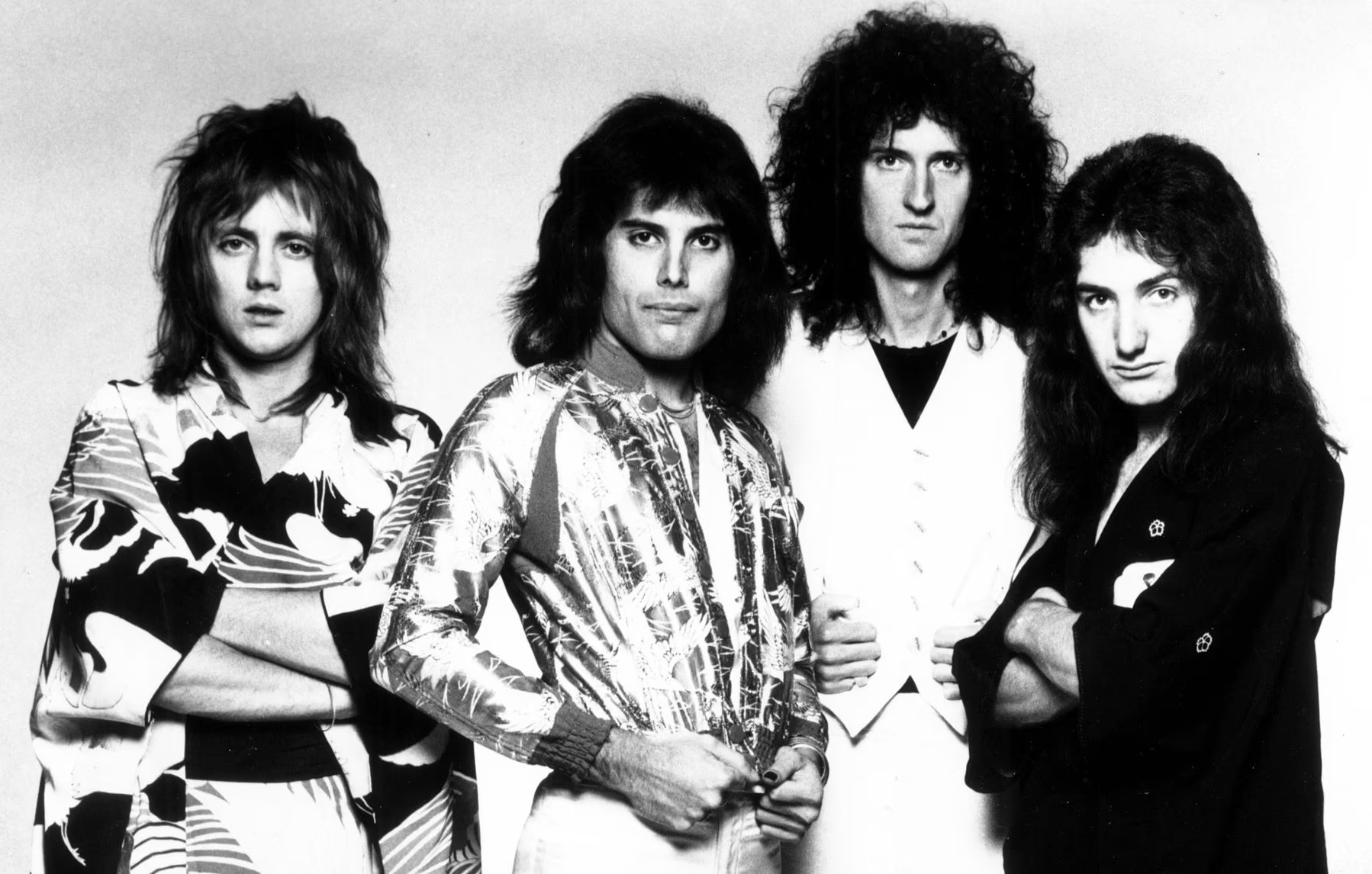
Queen is a British rock band that continues to be one of the most beloved and influential musical groups in history. Renowned for their anthemic quality, theatrical flair, and groundbreaking fusion of hard rock, arena rock, and pop, they are famous for hits like "Bohemian Rhapsody," "We Will Rock You," and "We Are the Champions." Their music has achieved massive record sales and numerous accolades, solidifying their status as rock legends. Despite the passing of Freddie Mercury in 1991 and the retirement of John Deacon in 1997, Brian May and Roger Taylor have actively maintained the band's enduring legacy. Since 2011, they have toured and performed globally with vocalist Adam Lambert, introducing their timeless songs to new generations and demonstrating their unique ability to connect with fans through electrifying live performances.
Formation Story
The genesis of Queen traces back to London, England, in the late 1960s, centered around Imperial College students Brian May, a gifted guitarist, and Roger Taylor, a dynamic drummer. In 1968, they formed the band Smile alongside lead vocalist and bassist Tim Staffell. A mutual friend of Staffell's, Farrokh Bulsara, became a devoted fan of Smile and frequently engaged with the band, offering insightful suggestions and encouraging them to explore more adventurous musical and theatrical concepts. Bulsara, who possessed a clear and ambitious vision for the band's potential, saw beyond their current scope.
When Tim Staffell departed from Smile in 1970, Bulsara seized the opportunity to join May and Taylor, marking the true formation of what would become Queen. It was Bulsara himself who proposed the band's new, regal name, "Queen," and adopted the iconic stage persona of Freddie Mercury, taking on the role of lead vocalist and pianist. From its inception, the band's sound was an eclectic blend of progressive rock, hard rock, and heavy metal. However, securing a stable lineup proved to be an initial challenge; after experimenting with several bassists including Mike Grose, Barry Mitchell, and Doug Bogie, the band finally found their perfect match in John Deacon, who joined in February 1971. This completed the classic and enduring quartet of Freddie Mercury, Brian May, Roger Taylor, and John Deacon.
With their definitive lineup in place, Queen signed a production deal with Trident Studios in 1972, a crucial step that paved the way for their professional journey. This was swiftly followed by securing significant record contracts with EMI for the UK market and Elektra Records in the United States. Their self-titled debut album, Queen, was officially released on July 13, 1973, introducing the world to their distinctive sound. The album featured their compelling debut single, "Keep Yourself Alive," a track that heralded the official beginning of Queen's extraordinary and groundbreaking career.
Members



Sub-Units
Queen + Paul Rodgers (2004)
Brian MayRoger TaylorPaul Rodgers
Queen + Adam Lambert (2011)
Brian MayRoger TaylorAdam Lambert
Musical Style
Queen's musical style is remarkable for its incredible diversity and willingness to experiment across various genres throughout their career. In their early years, with albums like Queen and Queen II, the band showed strong influences from progressive rock, hard rock, and heavy metal. Listeners heard powerful guitar riffs, intricate arrangements, and Freddie Mercury's theatrical vocal delivery, often layered with complex harmonies.
As the 1970s progressed, Queen broadened their sound. Sheer Heart Attack and A Night at the Opera blended hard rock with elements of vaudeville, music hall, and pop, creating a distinctive glam rock aesthetic. Their masterpiece, "Bohemian Rhapsody," perfectly showcased this blend, moving from ballad to opera to hard rock within a single track. The late 1970s saw them embrace arena rock, producing anthems like "We Will Rock You" and "We Are the Champions," designed for massive crowd participation.
Entering the 1980s, Queen continued to evolve, incorporating disco, funk, and new wave influences into their music, evident in hits like "Another One Bites the Dust" and "Radio Ga Ga." They maintained their signature grand production and layered vocals, but always looked for new sounds. This constant innovation, combined with their strong songwriting and exceptional musicianship, allowed Queen to remain relevant and popular across decades, leaving a truly unique mark on rock music.
Discography
| Title | Year |
|---|---|
| Made in Heaven | 1995 |
| Innuendo | 1991 |
| The Miracle | 1989 |
| A Kind of Magic | 1986 |
| The Works | 1984 |
| Hot Space | 1982 |
| Flash Gordon | 1980 |
| The Game | 1980 |
| Jazz | 1978 |
| News of the World | 1977 |
| A Day at the Races | 1976 |
| A Night at the Opera | 1975 |
| Sheer Heart Attack | 1974 |
| Queen II | 1974 |
| Queen | 1973 |
Tours
The Rhapsody Tour
2019 · 105 shows
Queen + Adam Lambert Tour 2014–2015
2014 · 65 shows
Rock the Cosmos Tour (Queen + Paul Rodgers)
2008 · 38 shows
The Cosmos Rocks Tour (Queen + Paul Rodgers)
2005 · 41 shows
Magic Tour
1986 · 26 shows
The Works Tour
1984 · 48 shows
Hot Space Tour
1982 · 69 shows
The Game Tour
1980 · 62 shows
Jazz Tour
1978 · 79 shows
News of the World Tour
1977 · 26 shows
A Day at the Races Tour
1977 · 19 shows
A Night at the Opera Tour
1975 · 39 shows
Sheer Heart Attack Tour
1974 · 43 shows
Queen II Tour
1974 · 30 shows
Queen Tour
1973 · 35 shows
Cultural Impact
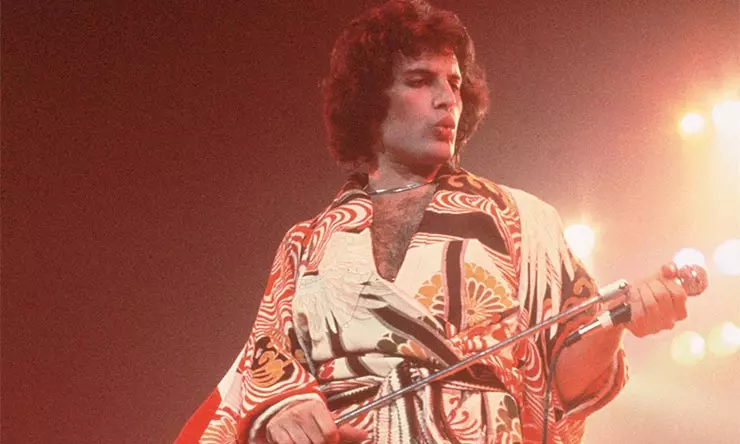
Queen's cultural impact extends far beyond just their music, influencing various aspects of popular culture. Their theatricality, particularly Freddie Mercury's flamboyant stage presence, redefined what a rock concert could be, inspiring countless performers. The band's innovative approach to music videos, especially for "Bohemian Rhapsody," helped establish the format as a vital tool for artists, blending storytelling with visual artistry.
Their music itself became a powerful force. Songs like "We Will Rock You" and "We Are the Champions" transcended their original context to become universal anthems for sporting events, protests, and celebrations worldwide. Queen's ability to blend genres, from rock and opera to pop and disco, broke down musical barriers and encouraged other artists to experiment with their sound.
Freddie Mercury's personal journey, while not fully public during his lifetime, has posthumously made him an icon for the LGBTQ+ community, highlighting issues of identity and acceptance. The band's enduring legacy is also seen in their massive fanbase, the success of the biopic Bohemian Rhapsody, and their continued presence in film, television, and advertising. Queen's influence is a testament to their lasting creativity and ability to connect with people across generations.
Fandom Culture
While Queen originated before the modern K-pop era of formalized fandoms, their global fanbase is incredibly dedicated and passionate. Fans of Queen do not have a specific collective name like many contemporary groups, nor do they have an official lightstick or fan color. However, their devotion is evident in the millions who attend concerts, purchase merchandise, and keep their music alive across generations.
Queen fans often express their appreciation through tribute bands, fan art, and active online communities where they discuss the band's extensive discography and history. Live performances, whether by the original members with guest vocalists or by tribute acts, often see fans singing along to every word, creating a powerful collective experience. The band's iconic logo, designed by Freddie Mercury himself, featuring the zodiac signs of the band members, serves as a recognizable symbol that unites their followers globally. The enduring popularity of Queen's music and their story ensures a vibrant and active fan culture that continues to thrive.
Awards Won (14)
Queen has received numerous prestigious awards throughout their illustrious career, recognizing their immense contribution to music. They were inducted into the Rock and Roll Hall of Fame in 2001, highlighting their lasting legacy. The band also earned a Grammy Lifetime Achievement Award in 2018 for their enduring influence and musical innovations. In their home country, they collected multiple Brit Awards, including one for Outstanding Contribution to British Music in 1990, and an Ivor Novello Award for "Bohemian Rhapsody," celebrating its exceptional songwriting.
Lifetime Achievement
for: Queen
Outstanding Contribution to British Music
for: Queen
Best British Single
for: Bohemian Rhapsody
Band of the Year
for: Queen
Inductee
for: Queen
Outstanding Contribution to British Music
for: Queen
Best Song Musically & Lyrically
for: Bohemian Rhapsody
Milestones
Historic performance at Live Aid at Wembley Stadium, widely considered one of the greatest live performances in rock history.
Release of "Bohemian Rhapsody," a groundbreaking single that popularized music videos and topped charts for weeks.
Formation of Queen with Freddie Mercury, Brian May, Roger Taylor, and John Deacon.
Fame & Fandom (iFAMOUS Rankings)
Trivia
Brian May, Queen's guitarist, holds a Ph.D. in astrophysics. He completed his thesis, "Radial Velocities in the Zodiacal Dust Cloud," in 2007, decades after beginning it.
Freddie Mercury designed the famous Queen crest logo, which appears on their album covers and merchandise. He was a trained graphic designer, having earned a diploma in Art and Graphic Design from Ealing Art College.
The iconic Red Special guitar played by Brian May was built by him and his father, Harold May, in the early 1960s. They constructed it from household materials, including parts of an old fireplace and knitting needles.
Queen was the first major rock band to perform in South America, playing to massive crowds in Brazil and Argentina in the early 1980s. They also performed behind the Iron Curtain in Hungary in 1986, which was a significant cultural event.
Keywords
Sources
Group Info
- Formed
- 1970
- Debut
- July 13, 1973
- Debut Song
- Keep Yourself Alive
- Origin
- London, England
- Label
- Hollywood Records
- Status
- Active
Join the community
fans discussing