Overview
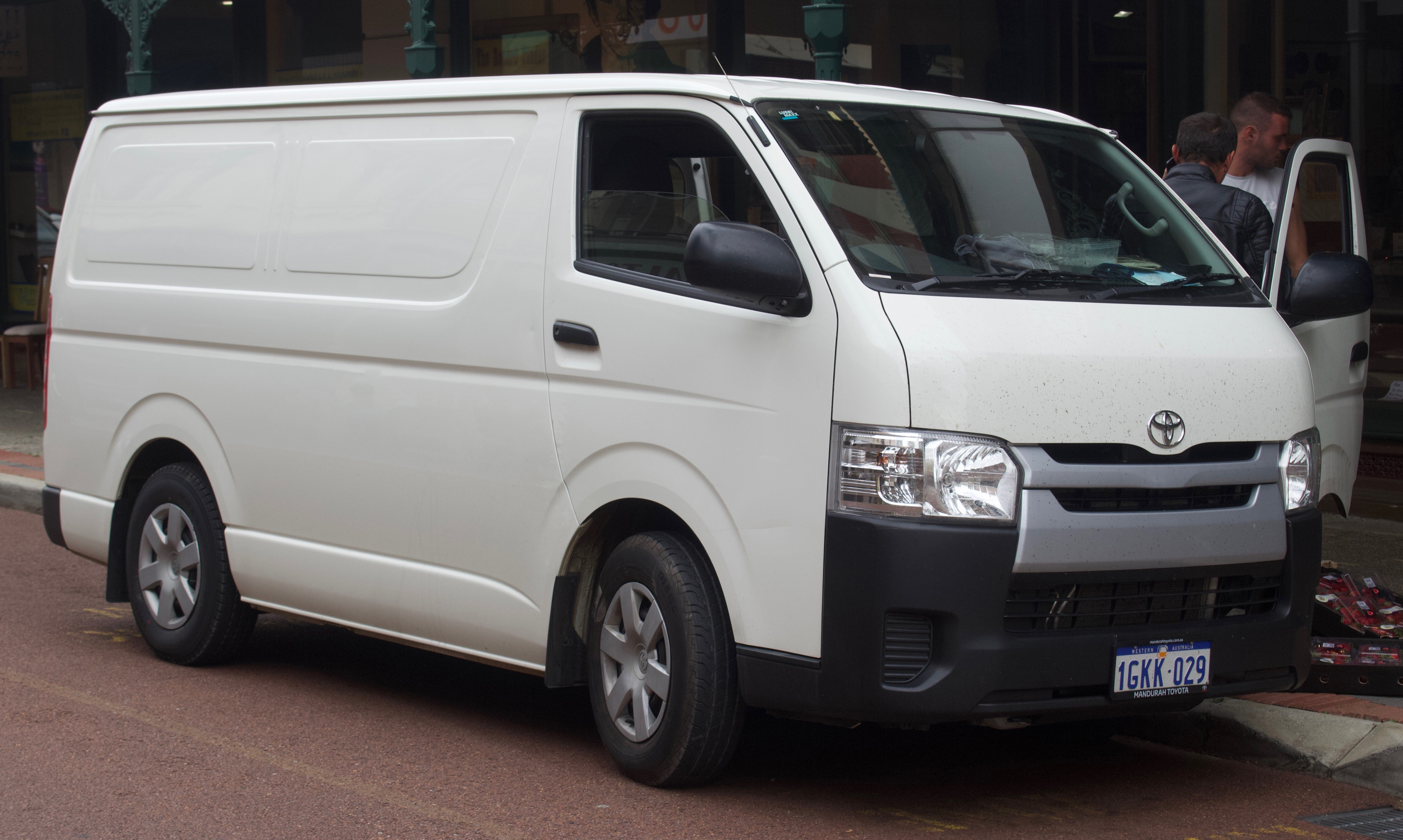
The Toyota HiAce first rolled off the production line in October 1967, and over five decades it has become the backbone of small businesses, fleets, and overland explorers across more than 150 countries. Pronounced "High Ace," this light commercial vehicle has been built in panel van, minibus, pickup, ambulance, and luxury commuter configurations, seating anywhere from 3 to 17 people. Its ladder-frame chassis and choice of rear-wheel or four-wheel drive give it a toughness that thrives on rough roads and heavy loads. Toyota has sold over 7.2 million HiAce units globally as of early 2024, making it the best-selling van in its class across Asia and Africa.
The current sixth-generation H300 series arrived in February 2019, powered by a 2.8-liter 1GD-FTV turbo-diesel four-cylinder engine that makes 174 horsepower and 450 Nm of torque. It comes with a six-speed automatic or manual transmission and offers cargo volumes from 5.5 to 9.0 cubic meters depending on wheelbase length. Fuel economy sits around 10 to 12 kilometers per liter (24 to 28 miles per gallon) in mixed driving. The HiAce's independent front suspension and leaf-spring rear setup prioritize load capacity and durability over ride comfort, which is a trade-off many owners happily accept for the vehicle's legendary reliability.
The HiAce has become a cultural icon in overlanding and van-life communities, especially in Australia and Africa, where it is frequently converted into campervans and expedition vehicles. It has appeared in films like The Fast and the Furious and on Top Gear challenges. In developing nations, it often serves as the primary mode of public transport, customized with bright paint and aftermarket modifications. Despite its age, the HiAce remains a top choice for anyone needing an affordable, durable, and easily serviceable van that can handle harsh conditions and high mileage.
Key Features
- Ladder-frame chassis for durability
- Available 4WD for off-road capability
- Multiple body styles: panel van, minibus, pickup
- Low maintenance costs and wide parts availability
- Mild-hybrid diesel option in select markets (2022+)
Specifications
| Engine | 2.8L 1GD-FTV turbo-diesel I4 |
| Horsepower | 174 hp |
| Torque | 450 Nm |
| Transmission | 6-speed automatic or manual |
| Drivetrain | Rear-wheel drive or four-wheel drive |
| Cargo Volume | 5.5 – 9.0 m³ |
| Payload | Up to 1,200 kg |
| Seating | 3 – 17 seats |
| Fuel Economy | 10 – 12 km/L (24 – 28 mpg) |
| Wheelbase | 2,570 mm (standard) / 3,110 mm (long) |
Pros & Cons
Pros
- • Exceptional reliability and longevity (300,000+ km common)
- • Spacious interior with multiple seating/cargo configurations
- • Strong aftermarket support for conversions and repairs
- • Affordable purchase price and running costs
- • 4WD option for rough terrain
Cons
- • Poor fuel economy compared to modern rivals
- • Outdated safety features (ESC only standard from 2021 in some markets)
- • High noise, vibration, and harshness on long trips
- • Limited payload capacity (1,200 kg max)
- • Cramped and utilitarian cabin
Frequently Asked Questions
How much does a Toyota HiAce cost?
Toyota HiAce vs Ford Transit: which is better?
Is the Toyota HiAce worth it for camper conversion?
What is the Toyota HiAce release date?
What are the Toyota HiAce specs?
Keywords
Product Info
- Brand
- Toyota
- Category
- van
- Released
- 1967-10-01
- Price
- ¥2,630,000 (Japan base, 2024)
- Availability
- Available
- Manufacturer
- Toyota
- First Generation
- 1967
- Current Generation
- H300 (2019–present)
- Global Sales
- Over 7.2 million units (2024)
- Body Styles
- Panel van, minibus, pickup, ambulance
Where to Buy
Join the community
fans discussing