Overview
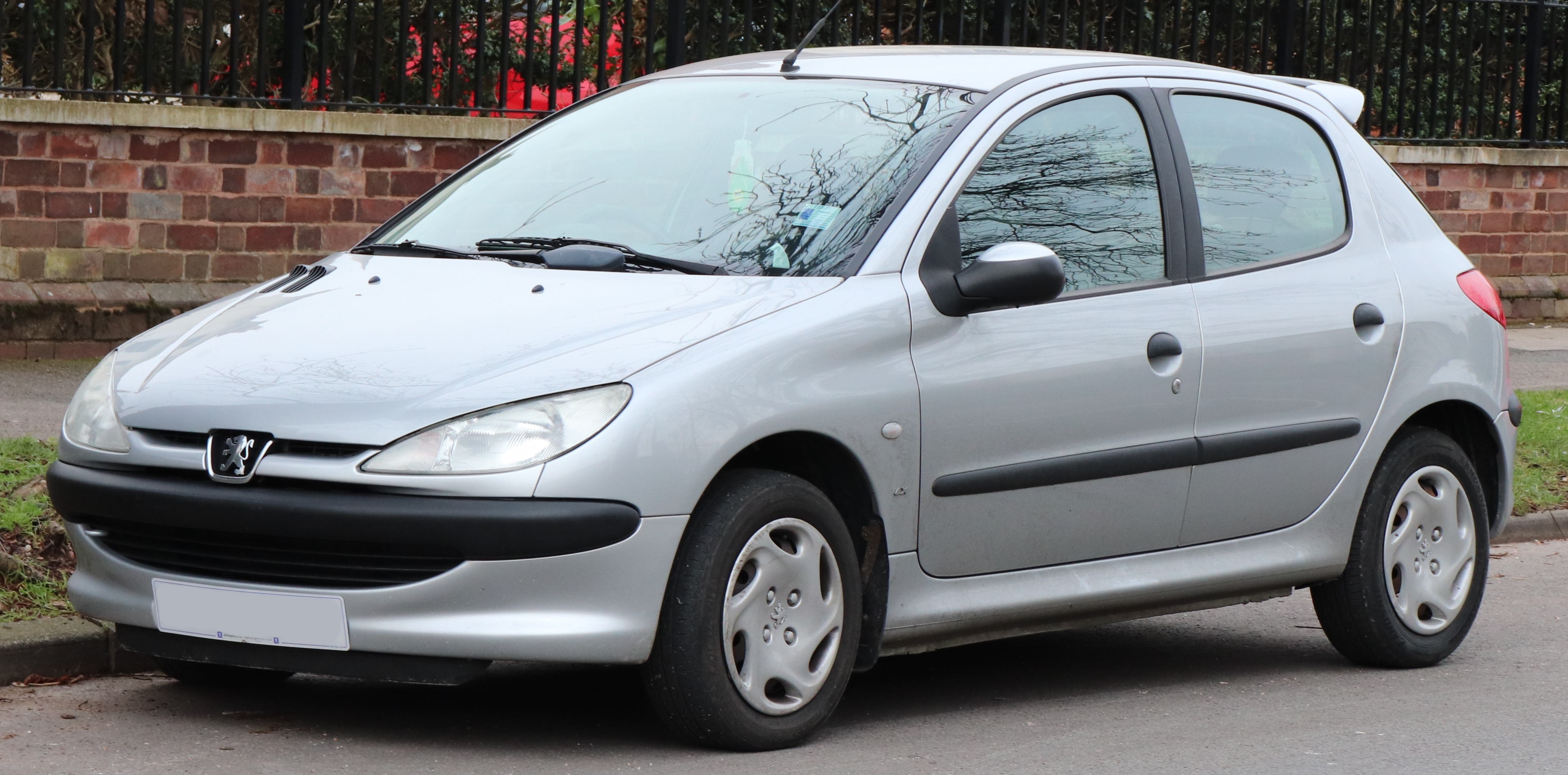
The Peugeot 206, a supermini that defined an era for the French automaker, hit the roads in September 1998 as the successor to the beloved 205. Born under the codename T1, it was Peugeot's answer to the B-segment, and it quickly became a best-seller. The initial hatchback was soon joined by a coupé cabriolet (206 CC) in 2000, a station wagon (206 SW) in 2001, and a sedan (206 SD) in 2005, the latter built and sold exclusively in Iran. By the time the 207 arrived in April 2006, the 206 had already etched its name into Peugeot's history.
The 206's life didn't end with the 207's debut. A facelifted version, marketed as the 207 Compact in South America and China, and as the 206+ in Europe, kept the model rolling. Production in Argentina and Brazil continued until 2017, and in China, it was sold under the 207 nameplate alongside a Citroën variant. With over 8.3 million units sold by 2012, the 206 remains Peugeot's best-selling model ever, a testament to its broad appeal. In 2020, Autocar magazine even ranked it among the thirty most long-lived single-generation cars. Iranian sales finally ended in 2024, closing a remarkable 26-year chapter.
Key Features
- Retractable hardtop on the 206 CC
- Wide range of efficient petrol and diesel engines
- Sharp handling and strong brakes
- Iconic feline-inspired design
- Cheap and easily replaceable parts
- Available in hatchback, coupé cabriolet, SW, and sedan body styles
Specifications
| Body style | Hatchback, coupé cabriolet, station wagon, sedan |
| Engine options | 1.1L to 2.0L petrol, 1.4L to 2.0L diesel |
| Transmission | 5-speed manual, 4-speed automatic |
| Wheelbase | 2442 mm |
| Length | 3835 mm (hatchback) |
| Width | 1652 mm |
| Height | 1426 mm (hatchback) |
| Curb weight | 935-1165 kg |
Pros & Cons
Pros
- • Stylish and timeless design
- • Excellent driving dynamics
- • Fuel-efficient engines
- • Affordable to buy and maintain
- • Spacious interior for its class
Cons
- • Electrical gremlins reported by some owners
- • Rust can be an issue on older models
- • Interior plastics feel cheap
- • Automatic transmission not as refined
Frequently Asked Questions
How much does a Peugeot 206 cost?
Is the Peugeot 206 reliable?
What is the difference between the Peugeot 206 and the Peugeot 207?
What are the Peugeot 206's specifications?
When was the Peugeot 206 released and when did production end?
Keywords
Sources
Product Info
- Brand
- Peugeot
- Category
- supermini
- Released
- 1998-09-01
- Availability
- Discontinued
- Manufacturer
- Peugeot
- Production years
- 1998-2024
- Total produced
- Over 8.3 million by 2012
- Predecessor
- Peugeot 205
- Successor
- Peugeot 207
Where to Buy
Join the community
fans discussing