Google Trends
by Google
"Visualizing the world's search interest in real time"
Rating
4.6/5
Overview
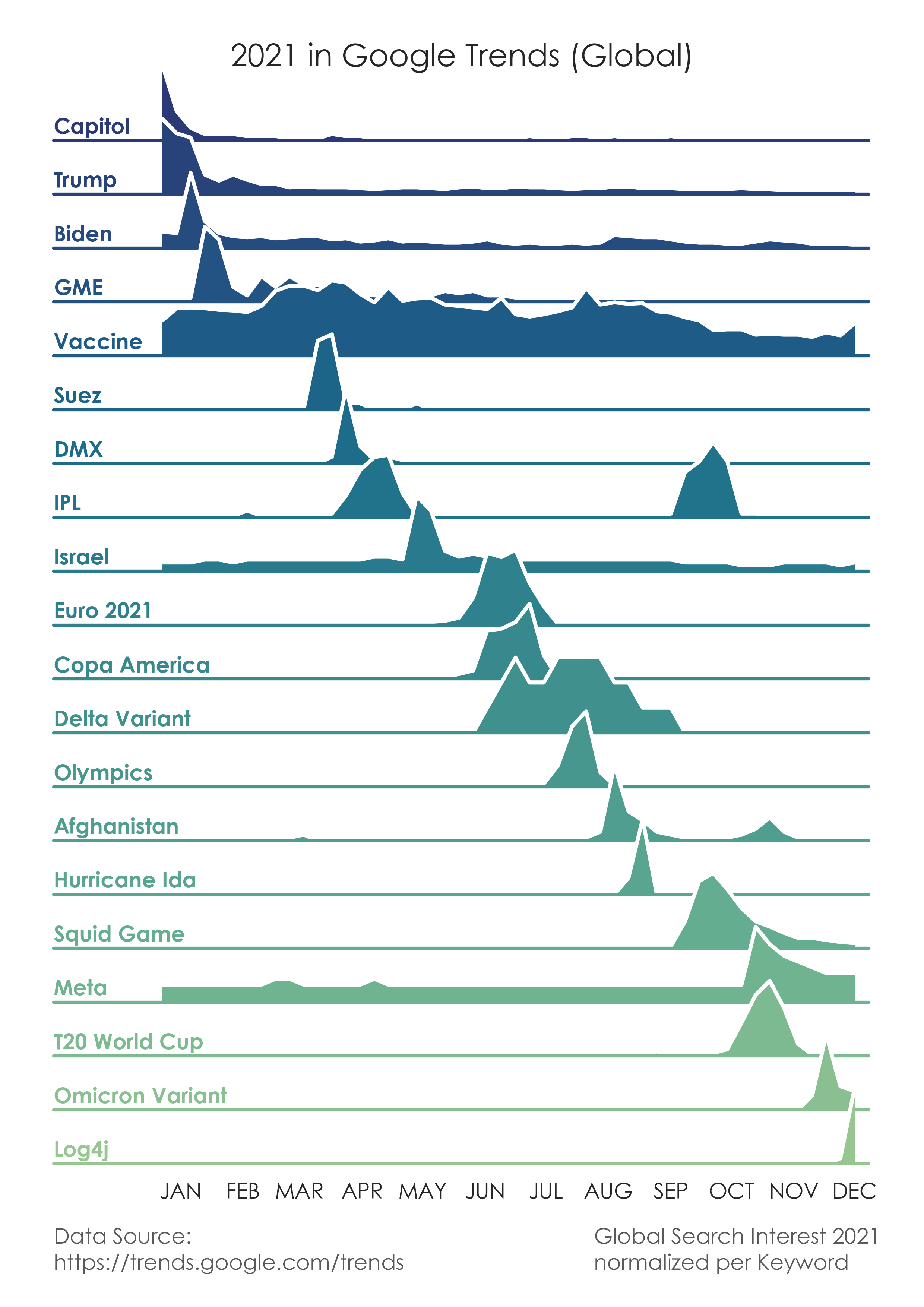
On September 27, 2012, Google merged its earlier search analysis tools to launch the unified platform known today as Google Trends. This service turned raw search data into accessible visual stories by comparing the popularity of queries across different regions and timeframes. Instead of overwhelming users with complex spreadsheets or absolute numbers, the tool displays relative interest scores on a simple scale from zero to one hundred.
The platform traces its lineage back to 2001 when Google first released Google Zeitgeist, an annual report that highlighted top searches for the year. As data collection methods evolved, the company renamed this initiative Google's Year in Search in 2013. Four years prior to the current product launch, the tech giant introduced Google Insights for Search on August 5, 2008, offering deeper analytical capabilities before folding those features into the main Trends interface.
Digital marketers and journalists rely on the service to validate content ideas or track seasonal demand without paying for enterprise software. The platform operates by analyzing a random sample of aggregated, anonymized searches from both Google Search and YouTube. Users can compare up to five terms simultaneously while filtering by geographic location, category, and search type to monitor brand sentiment or identify emerging pop culture phenomena.
Key Features
- Real-time comparison of up to five search terms
- Regional breakdowns with interactive map views
- Filtering by Web, Image, News, Shopping, and YouTube categories
- Category-specific filtering for industry verticals
- Yearly 'Year in Search' cultural reports
Specifications
| Cost | Free |
| Data Source | Google Search and YouTube |
| Comparison Limit | 5 terms |
| Data Granularity | Relative Interest Score (0-100) |
| Historical Data Range | January 2004 to present (varies by query) |
Pros & Cons
Pros
- • Completely free access to historical search data
- • Intuitive visual interface requires no technical training
- • Provides real-time insights into viral topics and events
- • Offers granular regional data down to city level
- • No subscription fees or hidden costs
Cons
- • Displays relative scores rather than absolute search volumes
- • Historical data availability varies depending on the query topic
- • Requires statistical adjustments for precise forecasting
- • Limited ability to track non-search based social signals
- • Cannot export raw data without third-party scripts
Frequently Asked Questions
Is Google Trends free to use?
Does Google Trends show exact search volumes?
Can I track YouTube trends alongside Google Search?
How far back does Google Trends data go?
What is the difference between Google Trends and Keyword Planner?
Keywords
Sources
Product Info
- Brand
- Manufacturer
- Google LLC
- Category
- Web Analytics Tool
- Released
- September 27, 2012
- Availability
- Available
- Launch Date
- September 27, 2012
- Predecessor Tool
- Google Insights for Search
- Original Concept
- Google Zeitgeist (2001)
- Latest Major Update
- Category filtering added in September 2026
- Primary Use Case
- Tracking public interest and viral topics
Join the community
fans discussing