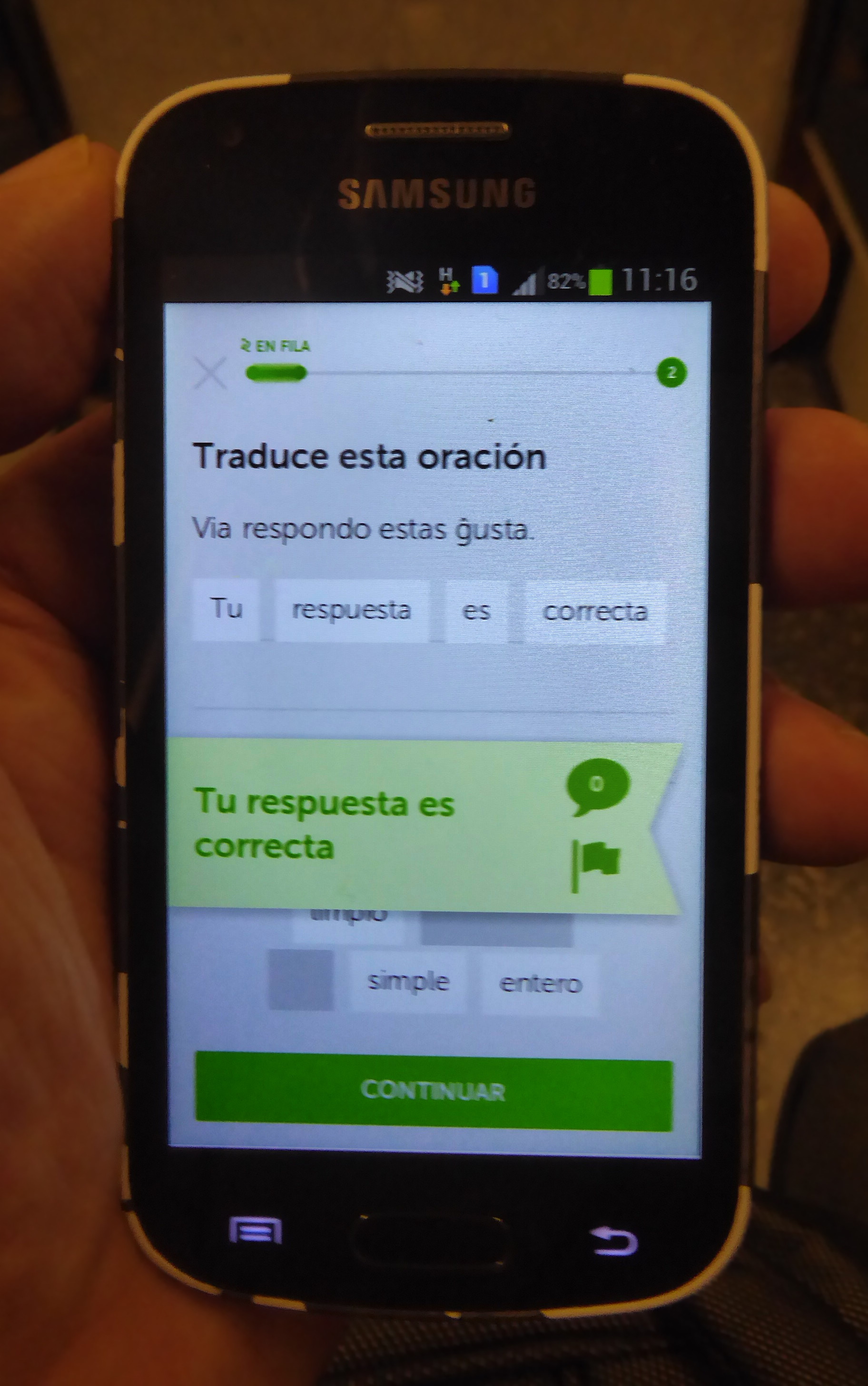
Duolingo
by Duolingo
"Learn a language for free, forever."
Rating
4.5/5
Overview
Duolingo, founded in 2011 by Luis von Ahn and Severin Hacker, has grown from a Carnegie Mellon research project into the world's most downloaded education app. Headquartered in Pittsburgh, the platform teaches over 40 languages through a gamified system of short, daily lessons. Its signature green owl, Duo, sends persistent reminders that have turned into a beloved internet meme. The app's freemium model keeps core lessons free, with ads supporting the service, while Super Duolingo removes ads and adds perks like unlimited hearts and offline access.
Beyond languages, Duolingo has expanded into math (Duolingo Math), music, and literacy (Duolingo ABC). The Duolingo English Test, launched in 2016, offers an affordable online proficiency exam accepted by thousands of universities, with results in two days. The company went public on NASDAQ in 2021 under the ticker DUOL, and by 2024 had surpassed 500 million downloads. Its adaptive learning algorithm and spaced repetition system have made it a leader in edtech, though critics note it works best for beginners and intermediate learners.
In August 2026, Duolingo acquired Animade, a London-based animation studio, to enhance its motion design and storytelling. That same month, Sallie Krawcheck, former Citigroup CFO, joined the board, signaling a focus on financial strategy. Despite a soft revenue outlook that year, analysts saw potential undervaluation, and user retention hit all-time highs. Duolingo's cultural footprint extends far beyond the app, with viral marketing and a dedicated fanbase that treats language learning as a shared, playful experience.
Key Features
- Gamified lessons with points, levels, and streaks
- Adaptive learning algorithm with spaced repetition
- Speech recognition for pronunciation practice
- Offline mode for Super subscribers
- Duolingo English Test with fast results
- Courses in music and math
- Duolingo ABC for early literacy
- AI-powered conversation practice
Specifications
| Platforms | iOS, Android, Web |
| Languages Offered | Over 40 (including Spanish, French, Japanese, Navajo, Klingon) |
| Subscription Price | Super Duolingo: $6.99–$12.99/month (varies by plan) |
| Downloads | Over 500 million (as of 2024) |
| Headquarters | Pittsburgh, Pennsylvania, USA |
| Stock Ticker | NASDAQ: DUOL |
| Founded | 2011 |
Pros & Cons
Pros
- • Free to use with no ads in core lessons
- • Engaging gamification keeps learners motivated
- • Wide variety of languages, including endangered and constructed ones
- • Short lessons fit easily into a busy day
- • Strong community and viral marketing
Cons
- • Limited depth for advanced learners
- • Heavy emphasis on gamification can distract from actual learning
- • Some courses lack conversational practice
- • Subscription cost can add up over time
- • Not ideal for those seeking certification without supplementary study
Frequently Asked Questions
Is Duolingo actually worth it for learning a new language?
What is the difference between the free version and Super Duolingo?
How many languages can I learn on Duolingo?
Does Duolingo have a certification exam?
When was Duolingo released and how much does it cost?
Keywords
Sources
Product Info
- Brand
- Duolingo
- Manufacturer
- Duolingo, Inc.
- Category
- Educational Technology
- Released
- 2011-06-19
- Price
- Free (with in-app purchases; Super Duolingo subscription)
- Availability
- Available
- Founders
- Luis von Ahn and Severin Hacker
- IPO Date
- July 28, 2021
- Number of Languages
- Over 40
- Total Downloads
- Over 500 million (2024)
- Acquisition of Animade
- August 2026
Join the community
fans discussing