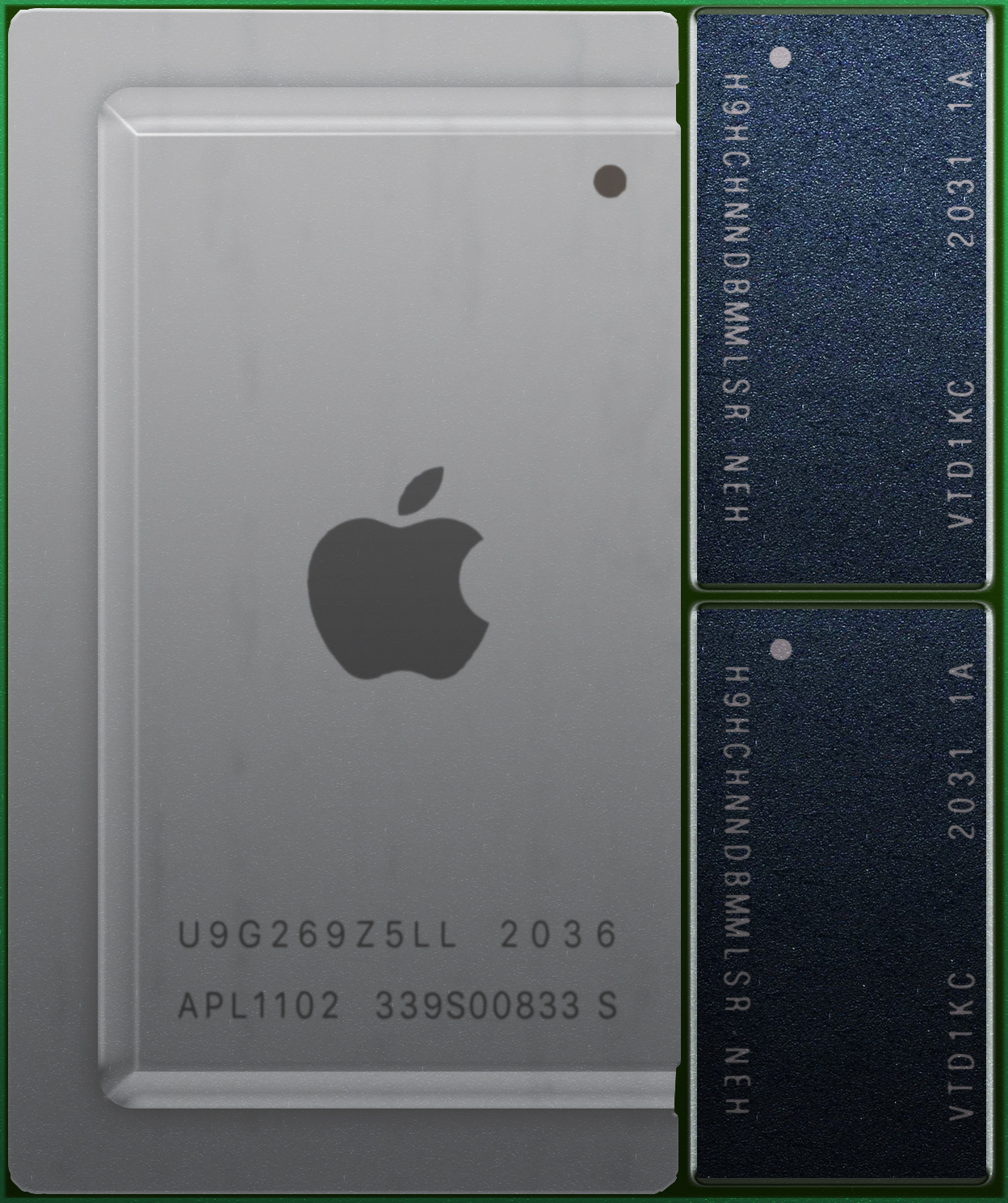
AI accelerator
"Specialized hardware for high-speed machine learning and neural network processing"
Rating
4.6/5
Overview
An AI accelerator is a dedicated chip designed to handle the heavy mathematical lifting of artificial intelligence tasks far more efficiently than standard processors. These devices, also known as neural processing units or deep learning processors, use parallel architectures optimized for the matrix multiplications that drive neural networks. While general-purpose CPUs struggle with these specific workloads, accelerators deliver massive throughput gains by focusing their silicon real estate on inference and training operations.
The market spans from massive data center racks to tiny embedded modules found in robots and cars. Major players like NVIDIA dominate the training sector with GPU-based solutions, while companies like Intel and AMD offer discrete cards and integrated NPUs. Specialized startups have entered the fray too, with firms like Groq targeting low-latency inference and d-Matrix pushing boundaries with stacked memory architectures that achieve 100 TB/s per card.
Recent developments in late 2026 show the technology maturing rapidly. Microsoft announced plans for multi-gigawatt Azure Maia racks, signaling a huge scaling of cloud infrastructure. Intel officially launched its D-Series products powered by the Crescent Island NPU, delivering 1.3 peak PFLOPS of FP8 compute. Meanwhile, OpenAI unveiled Jalapeño, an ASIC developed using AI itself, which reportedly beats power-hungry competitors in efficiency.
Key Features
- Optimized for matrix multiplication and vector operations
- Superior energy efficiency compared to GPUs for AI tasks
- Supports both training and inference workloads
- Integrated into edge devices and data centers
- Custom silicon designs for specific neural network layers
Specifications
| Compute Format | FP8, INT8, Mixed-Precision |
| Performance Range | Teraflops to Petascale |
| Memory Bandwidth | Up to 100 TB/s (d-Matrix) |
| Architecture Types | ASIC, FPGA, NPU |
Pros & Cons
Pros
- • Drastically reduces power consumption per operation
- • Delivers higher throughput for specific AI models
- • Enables real-time processing in edge devices
- • Reduces reliance on cloud connectivity for local AI
Cons
- • Software ecosystem fragmentation outside of NVIDIA CUDA
- • High cost for enterprise-grade PCIe cards
- • Steep learning curve for non-standard platforms
- • Limited versatility compared to general-purpose GPUs
Frequently Asked Questions
What exactly does an AI accelerator do?
How much does an AI accelerator cost?
Which AI accelerator is the best for my needs?
Is an AI accelerator worth it compared to a GPU?
When will the next generation of AI accelerators be released?
Keywords
Sources
Product Info
- Manufacturer
- NVIDIA, Intel, AMD, d-Matrix, Sipeed, Universal Robots
- Category
- Computer Hardware
- Availability
- Available
- Primary Function
- Accelerating matrix multiplications for neural networks
- Key Architecture
- Application-Specific Integrated Circuit (ASIC) or Field-Programmable Gate Array (FPGA)
- Notable 2026 Launch
- Intel D-Series with 1.3 peak PFLOPS FP8 compute
- Edge Device Example
- Sipeed MaixStation with 128 GB LPDDR5X
- Automotive Integration
- XPeng L03 vehicle uses Turing AI chips
Join the community
fans discussing