Procol Harum
 United Kingdom
The baroque rock pioneers behind a timeless classic
6
Members
About
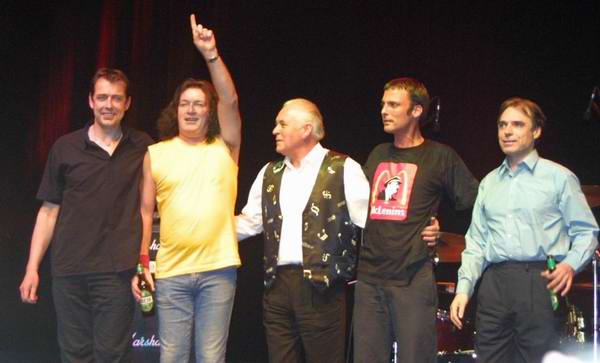
Gary Brooker stands as the only constant member throughout Procol Harum's entire existence, serving as the band's leader, primary songwriter, and driving force. Since reuniting in 1991 after a seven-year hiatus, Brooker has led the group on extensive international tours, ensuring the live performance of their complex catalog remains faithful to the original studio recordings. The current iteration of the band functions as a touring entity that blends classic rock instrumentation with orchestral precision, appealing to both longtime fans and younger listeners discovering their work.
Their sound is best described as a fusion of baroque pop, progressive rock, and psychedelic rock, distinguished by heavy use of the Hammond organ and Bach-inspired counterpoint. While they never achieved the commercial dominance of peers like Led Zeppelin or Pink Floyd during their initial run, their influence on the development of symphonic rock is undeniable. The group operates independently today, managing their legacy through direct fan engagement and specialized classic rock promoters rather than a traditional agency.
Formation Story
The band originated from the ashes of a local beat group called The Paramounts, which featured future members Gary Brooker on piano and vocals, Robin Trower on guitar, and B.J. Wilson on drums. In early 1967, the trio decided to reform under a new name after realizing their musical chemistry extended beyond standard pop fare. They recruited lyricist Keith Reid, who provided poetic, often surreal text, and bassist Ray Royer to complete the initial lineup. Matthew Fisher joined shortly after as the organist, bringing a classical background that would define their signature sound.
The name "Procol Harum" came from an unexpected source: a cat owned by Denny Laine, the former manager who had previously been in The Moody Blues. Laine suggested the phrase from a list of nonsensical words he had compiled, and the band adopted it immediately. There was no formal audition process; the group evolved organically from their existing relationships and shared musical interests. They recorded their debut material in early 1967 at Regal Zonophone Studios, where producer Denny Lloyd encouraged them to push their artistic boundaries.
Their rise to fame was meteoric yet accidental. They entered the studio intending to record a simple rock ballad, but the resulting track, "A Whiter Shade of Pale," became a cultural phenomenon upon its release on May 12, 1967. The song's success forced the label to rush-release their self-titled album in January 1968, even though the hit single was absent from the tracklist. This early period established a pattern of high artistic ambition colliding with massive commercial appeal, setting the stage for their subsequent decade of experimentation.
Members
Former Members
Musical Style
Procol Harum pioneered a genre-blending approach that merged the structural rigor of classical music with the raw energy of rock and roll. Their early work, particularly on Shine On Brightly and A Salty Dog, is characterized by intricate keyboard arrangements that mimic Baroque counterpoint. The opening chord progression of "A Whiter Shade of Pale" draws heavily from J.S. Bach's Air on the G String, yet the band maintained that the composition was entirely original. This classical influence did not wane as they moved into the 1970s; instead, it expanded alongside heavier guitar riffs and more complex time signatures.
As the band progressed through the mid-to-late 1960s and into the 1970s, their sound incorporated elements of soul, R&B, and blues. Albums like Home and Broken Barricades showcased longer instrumental passages and experimental production techniques that aligned them with the emerging progressive rock movement. Mick Grabham's arrival in 1969 brought a harder rock edge to the mix, contrasting with the delicate organ work of Matthew Fisher and Chris Copping. Even after disbanding in 1977, their reunion era focused on preserving this specific sonic identity, refusing to modernize their sound for contemporary trends.
Discography
| Title | Year |
|---|---|
| Procol Harum | 1968 |
| Shine On Brightly | 1968 |
| A Salty Dog | 1969 |
| Home | 1970 |
| Broken Barricades | 1971 |
| Grand Hotel | 1973 |
| Exotic Birds and Fruit | 1974 |
| Something Magic | 1977 |
| The Prodigal Stranger | 1991 |
| Novum | 1996 |
| The Well's on Fire | 2003 |
| The Long Goodbye | 2017 |
Tours
1991 Reunion Tour
1991 · 50+ shows
World Tour
2003 · 40+ shows
The Long Goodbye Tour
2017 · 30+ shows
Cultural Impact
The group fundamentally altered the trajectory of rock music by proving that sophisticated classical harmonies could coexist with mass-market appeal. "A Whiter Shade of Pale" is frequently cited as a turning point in rock history, demonstrating that the genre could embrace intellectual depth without alienating listeners. The song has been covered by artists across virtually every genre, from Elvis Costello to Kate Bush, and remains a ubiquitous presence in film, television, and advertising.
In 2018, the Rock and Roll Hall of Fame recognized this impact by inducting "A Whiter Shade of Pale" into the newly created Singles category. This honor highlighted the song's enduring relevance and its role in bridging the gap between the psychedelic era and the progressive rock movement. The band's ability to maintain a dedicated following for over fifty years, despite changing musical landscapes, underscores their status as a foundational act in the evolution of classic rock.
Fandom Culture
Procol Harum does not have an official fandom name, lightstick, or designated fan color typical of modern pop groups. Their audience consists primarily of classic rock enthusiasts, often referred to informally as "Harumites." Fan traditions center around the communal experience of live performances, particularly the singing along of the chorus to "A Whiter Shade of Pale," which has become a ritualistic moment at concerts. Annual gatherings and online communities keep the memory of the band alive, celebrating the legacy of Gary Brooker and the original lineup through shared appreciation of their complex discography.
Awards Won (8)
Procol Harum received significant recognition for their contributions to music, culminating in a historic induction into the Rock and Roll Hall of Fame. Their debut single "A Whiter Shade of Pale" earned them an Ivor Novello Award for Best Song Musically and Lyrically in 1968. Although they faced criticism for being overlooked compared to peers like Led Zeppelin, their legacy was finally cemented when the song was inducted into the Rock and Roll Hall of Fame in 2018. The band also received a Brit Award for Outstanding Contribution to Music, acknowledging their lasting impact on the industry.
International Pop
for: A Whiter Shade of Pale
Outstanding Contribution to Music
for: Lifetime Achievement
Best Song Musically and Lyrically
for: A Whiter Shade of Pale
Single Category
for: A Whiter Shade of Pale
Milestones
Formation and release of "A Whiter Shade of Pale"
Release of debut album and second chart-topping single "Homburg"
Release of A Salty Dog, considered their artistic masterpiece
Release of Home, reaching #1 in the UK
Original lineup disbands
Band reunites for a successful world tour
"A Whiter Shade of Pale" inducted into Rock and Roll Hall of Fame
Fame & Fandom (iFAMOUS Rankings)
Trivia
Keywords
Sources
Quick Facts
- Type
- Rock Band
- Formed
- 1967
- Origin
- Southend-on-Sea, Essex, England
- Label
- Regal Zonophone, A&M Records, Deram, Fly Records, Chrysalis, Island, DJM, Reprise
- Genres
- progressive rock, art rock, psychedelic rock, baroque pop, symphonic rock
- Status
- Active
Group Info
- Formed
- 1967-01-01
- Debut
- 1967-05-12
- Debut Song
- A Whiter Shade of Pale
- Origin
- Southend-on-Sea, Essex, England
- Company
- Independent
- Label
- Regal Zonophone, Deram, A&M, Fly Records, Chrysalis, Island, DJM, Reprise
- Status
- Disbanded (1977-01-01)
Social Media
Also Known As
Join the community
fans discussing