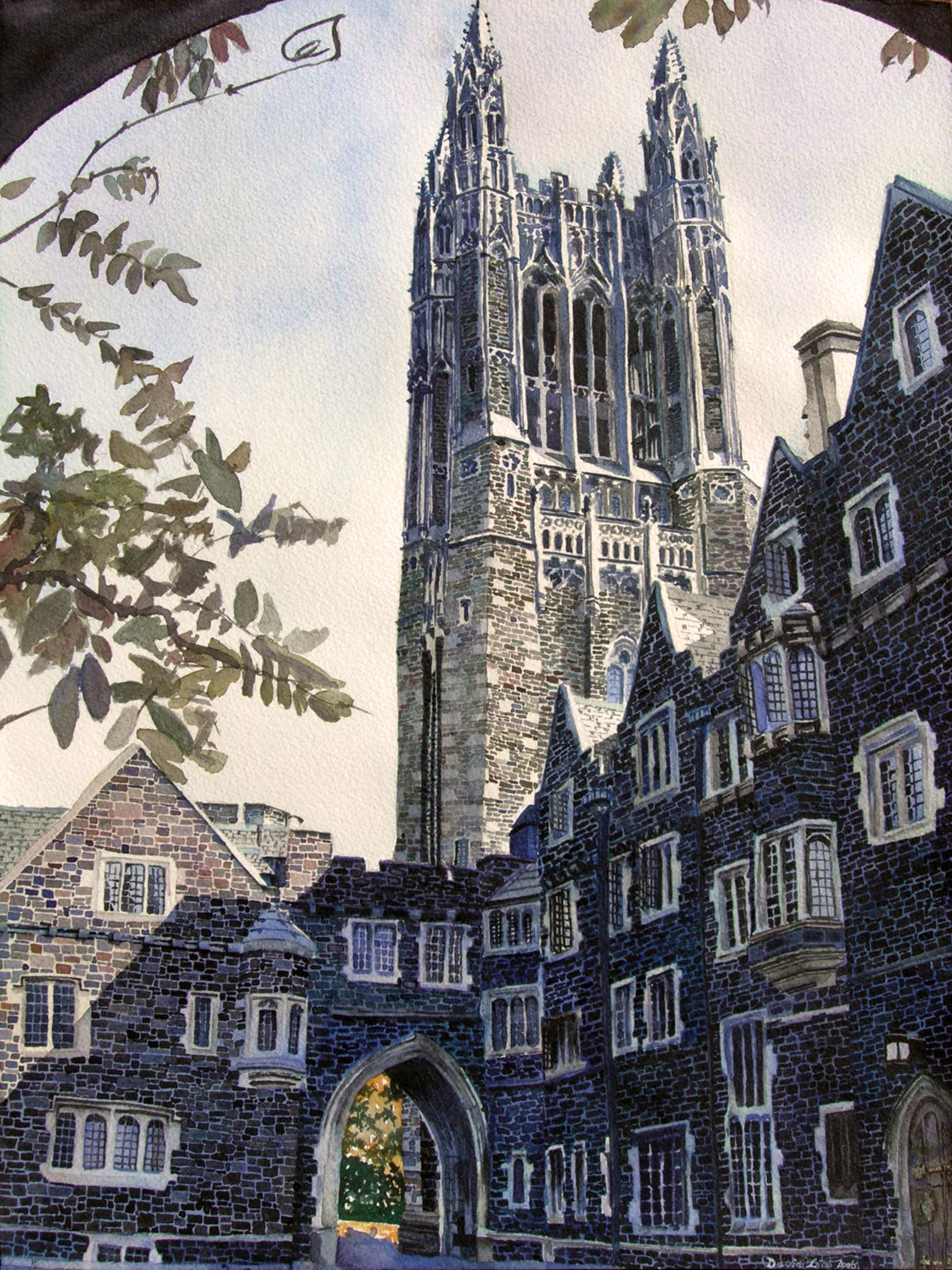
Princeton University
 United States
"In the nation's service and the service of humanity"
About
Princeton University sits on a sprawling campus in Princeton, New Jersey, a private Ivy League research institution with a history that stretches back to the colonial era. Founded in 1746 as the College of New Jersey in Elizabeth, it is the fourth-oldest university in the United States and one of the nine colonial colleges chartered before the American Revolution. The school moved to Newark in 1747, then settled into its current Mercer County home in 1756, where it has remained ever since. It wasn't until 1896 that the institution adopted the name Princeton University, reflecting its growth from a small college into a major research powerhouse.
Today, Princeton is known for its rigorous academics, stunning Gothic architecture, and a tight-knit residential college system that fosters a strong sense of community among undergraduates. The university has produced numerous U.S. presidents, Supreme Court justices, and Nobel laureates, cementing its reputation as a leader in higher education. While its endowment and selectivity often make headlines, the campus itself buzzes with intellectual energy, from the iconic Nassau Hall to the vibrant arts and sciences programs. With a student body of around 8,000, Princeton offers an intimate scale that sets it apart from larger research universities, yet its influence in fields like economics, physics, and public policy reaches far beyond its New Jersey borders.
Mission
Princeton's stated mission is to educate people who will contribute to society and develop knowledge that will make a difference in the world. The university pursues this through a commitment to undergraduate and graduate teaching, original research across the humanities, social sciences, natural sciences, and engineering, and a culture of service that echoes its motto, "In the nation's service and the service of humanity."
History
Princeton's story begins in 1746, when a group of New Light Presbyterians chartered the College of New Jersey in Elizabeth. The school was founded to train ministers, but its ambitions quickly broadened. After a brief stay in Newark, it moved to Princeton in 1756, where Nassau Hall, then the largest building in the American colonies, became its home. The college's early leaders, including John Witherspoon, who arrived as president in 1768, infused it with a spirit of civic engagement. Witherspoon, a signer of the Declaration of Independence, helped shape the college into a training ground for the new nation's leaders.
Throughout the 19th century, the institution grew steadily, adding graduate programs and professional schools. In 1896, it officially became Princeton University, reflecting its expanded scope. The 20th century brought transformative changes: the establishment of the graduate school, the Woodrow Wilson School of Public and International Affairs, and a shift toward a research-intensive model. Princeton also became a pioneer in the residential college system, which groups undergraduates into tight-knit communities, a model later adopted by many other universities. The university's role in the Manhattan Project and its post-war expansion in the sciences solidified its reputation as a global research center. Today, Princeton continues to evolve, embracing new fields like artificial intelligence and sustainability while maintaining its historic strengths.
Notable People
John Witherspoon
Founder · 1768-1794
Signer of the Declaration of Independence; sixth president of the College of New Jersey
Milestones
1746
Founded as the College of New Jersey in Elizabeth
1756
Moved to Princeton; Nassau Hall completed
1896
Renamed Princeton University
1969
Admitted first women as undergraduates
2026
Ranked #27 in QS World University Rankings 2027
Teams
Sources
Organization Info
- Founded
- 1746
- Headquarters
- Princeton, New Jersey
- Country
- United States
- Parent
- Trustees of Princeton University
- Type
- University
- Employees
- 1140
- Founder
- John Witherspoon
Financials
- Employees
- 1140
Official Website
princeton.edu
Join the community
fans discussing