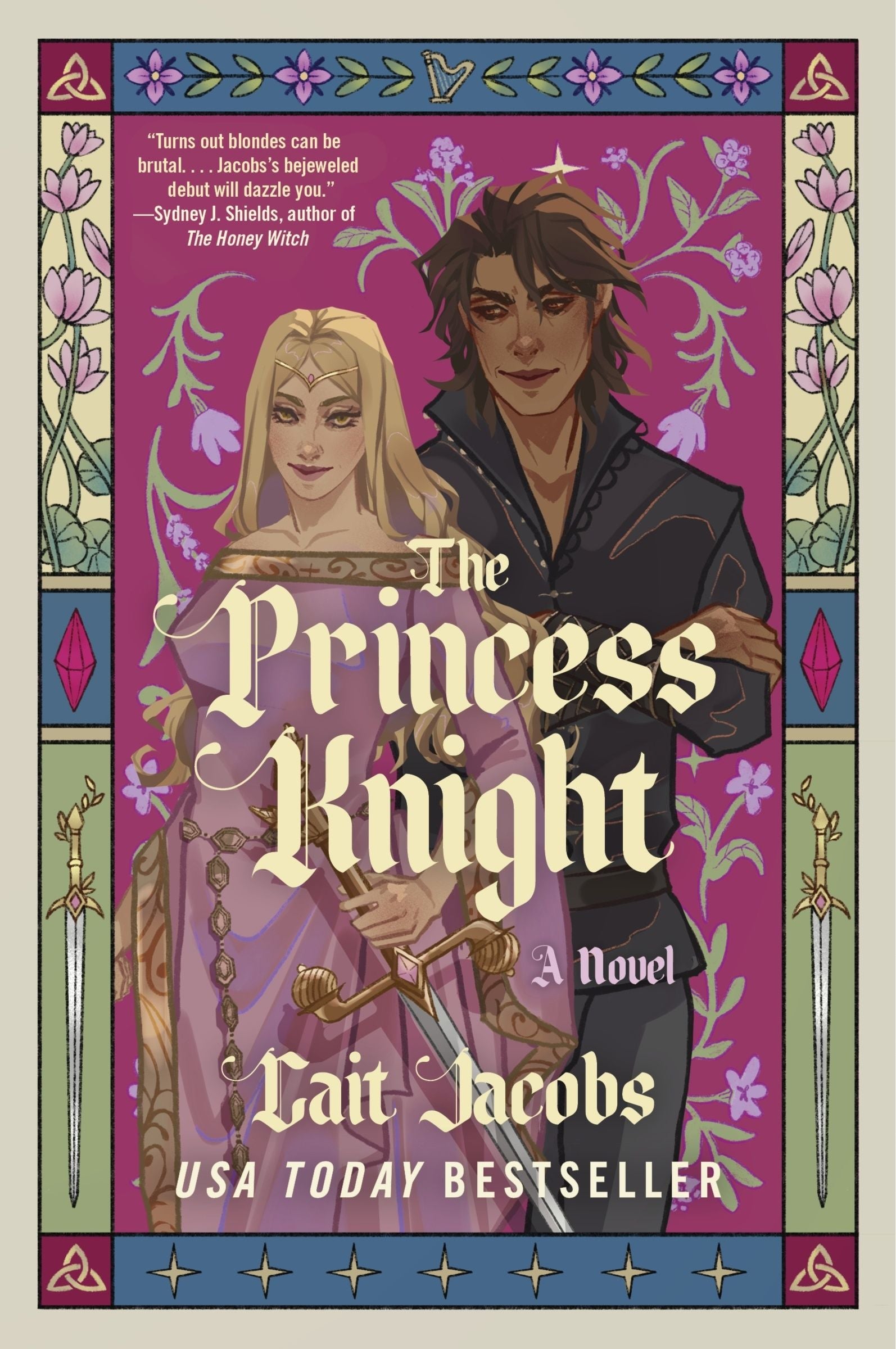
Princess Knight
"Ribon no Kishi"
Osamu Tezuka
Overview
Princess Knight, also known as Ribon no Kishi, is a Japanese manga series written and illustrated by Osamu Tezuka. The story follows Princess Sapphire, who is born with both a boy's soul (the blue heart) and a girl's soul (the pink heart) due to a celestial mix-up. To protect her kingdom from the scheming Duke Duralumin, who wants his son Plastic on the throne, Sapphire is raised as a prince. She must hide her true gender while fighting for justice, navigating the complexities of her dual identity.
The manga was created at the request of an editor at Kodansha's Shōjo Club magazine, who wanted a story for girls that could match the success of Tezuka's boy-oriented works. Inspired by the all-female Takarazuka Revue theater troupe, where women play both male and female roles, Tezuka crafted a gender-bending protagonist. Princess Knight was serialized in Shōjo Club from 1953 to 1956, and its popularity led to a radio drama in 1955, three additional serializations between 1958 and 1968, and a 52-episode anime television series by Mushi Production that aired on Fuji TV from 1967 to 1968.
The series encountered delays in reaching English-speaking audiences because NBC Enterprises executives feared it could be interpreted as a sex switch story. However, in the 1970s, a dubbed version of the anime titled Choppy and the Princess was produced by Joe Oriolo and broadcast in the US, Australia, and the UK. The manga itself was first published in English in 2001 by Kodansha International as a bilingual edition, followed by a new edition from Vertical in 2011. A new anime film adaptation titled The Ribbon Hero is scheduled for release on Netflix in August 2026.
Princess Knight is regarded as a classic and one of Tezuka's most famous works. It is considered a foundational text in the shōjo manga and magical girl genres. Critics have debated its portrayal of gender roles, with some seeing it as proto-feminist and others as reflecting the misogynist ideals of 1950s–60s Japan. Regardless, it established trends in shōjo manga, including androgynous heroines and narrative-focused storytelling, and is recognized as one of the first works to feature a female superhero.
Awards
Tezuka Osamu Cultural Prize Special Award: Special Award: (1997)
Angoulême International Comics Festival Essential 100: Essential 100: (2008)
Keywords
Book Info
- Author
- Osamu Tezuka
- Publisher
- Kodansha
- Published
- 1953
- Language
- Japanese
- Original Serialization
- 1953-1956 in Shōjo Club
- English Publisher
- Vertical, Inc. (2011)
- Anime Adaptation
- 1967-1968, 52 episodes, Mushi Production
Join the community
fans discussing