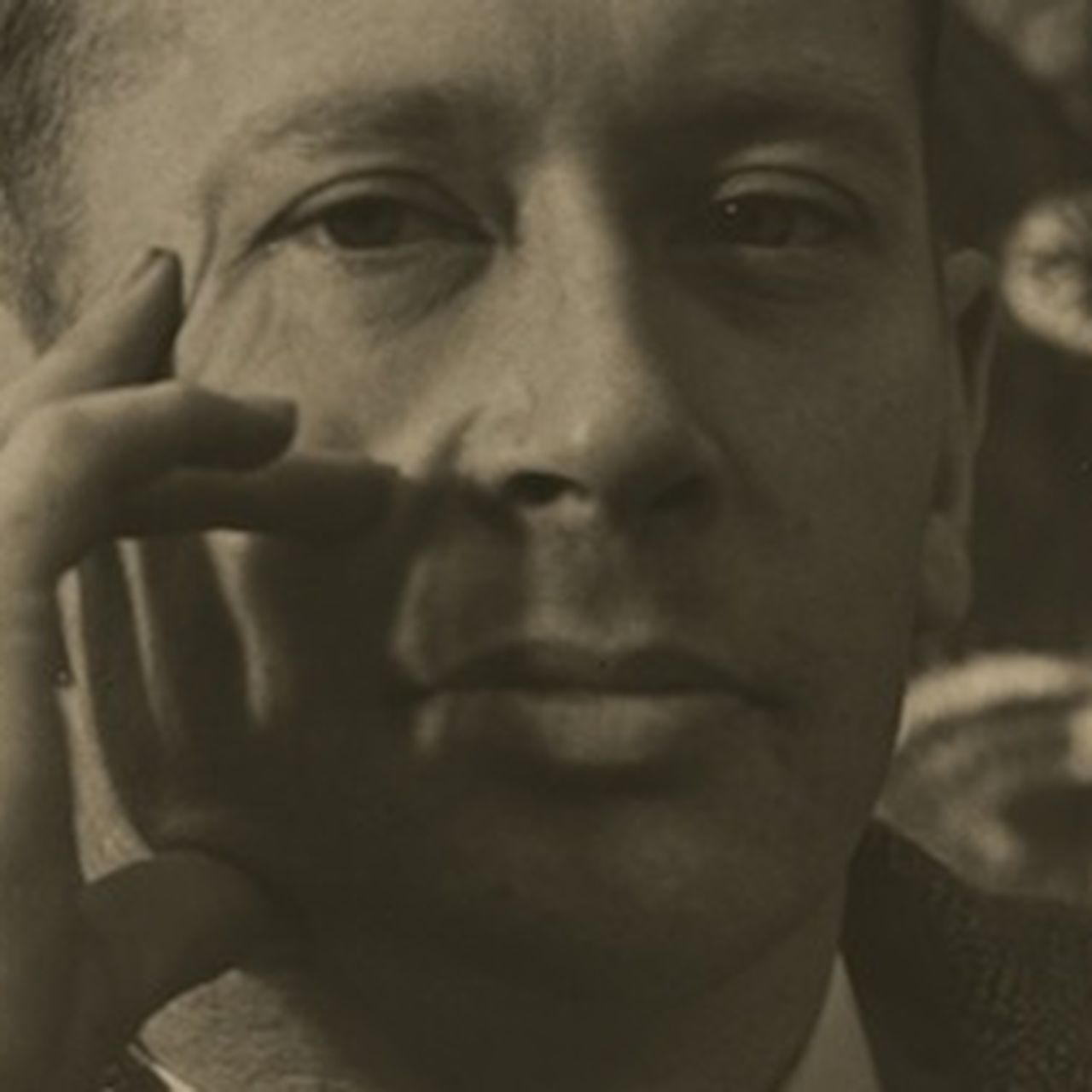
Poemen
 Egypt
EgyptAlso known as: Abba Poemen, Saint Pimen the Great, Venerable Pimen, Poemen the Shepherd
Birthday
January 1, 340
Birth Sign
Capricorn
Birthplace
Egypt
Age
Died at 110
About
Poemen the Great was an Egyptian Christian monk and one of the most influential Desert Fathers of the early church. His name, meaning "shepherd" in Greek, reflects his role as a spiritual guide rather than a strict ascetic. He is best known as the most frequently quoted Abba in the Apophthegmata Patrum, the Sayings of the Desert Fathers, where his practical wisdom on humility, patience, and community life made him a beloved figure among monks and laypeople alike.
Living in the Egyptian desert, likely in the region of Scetis, Poemen attracted disciples who sought his counsel. His teachings emphasized inner virtue over extreme asceticism, distinguishing him from contemporaries who focused on severe fasting or solitude. He lived to an extraordinary age, passing away around 450 at roughly 110 years old. Venerated as a saint in Eastern Christianity, his feast day is celebrated on August 27 in the Julian calendar, corresponding to September 9 in the Gregorian calendar.
Early Life & Background
Born in Egypt around 340, Poemen grew up in a Christian family that would produce four monks. Alongside his brothers Joseph, Anub, and John, he left their home to embrace the monastic life in the Egyptian desert. According to Orthodox tradition, when their mother came to visit them at the monastery, the brothers refused to see her, prioritizing their calling. Poemen reportedly told her, "If you see me here, you will be satisfied; but if you do not see me, you will offer sacrifice for me."
His early years as a monk were marked by obedience and humility, virtues that later defined his teachings. He settled in Scetis, a renowned center of early monasticism in the Wadi El Natrun region. There he lived among fellow ascetics, learning the disciplines of prayer, manual labor, and silence. His reputation for wisdom grew organically as other monks sought his advice, drawn to his gentle and practical approach to the spiritual life.
Career Growth
Poemen's breakthrough came not through a single event but through the steady accumulation of his wisdom sayings, which his disciples recorded during his lifetime. These sayings were later compiled into the Apophthegmata Patrum, where he became the most quoted Abba of all, a testament to his enduring influence. His teachings covered humility, self-control, compassion, and the inner life, offering practical guidance that contrasted with the more extreme asceticism of some contemporaries.
His reputation spread widely, earning him epithets like "the lamp of the universe" and "the bright star of the desert." He continued to guide disciples until his death around 450, leaving no written works of his own but a rich oral tradition that shaped Christian monasticism for centuries. His sayings remain a cornerstone of desert spirituality, studied and cherished by monks and laypeople alike.
Career Timeline
Public Image & Style
Poemen's public image is that of a humble, wise elder, the archetypal spiritual father. In icons, he is depicted as an elderly monk with a beard, often holding a scroll or in a posture of teaching. His aesthetic is one of simplicity, desert austerity, and gentle authority. Religious sources portray him as "the lamp of the universe" and "premier among the Desert Fathers and Mothers." His teachings are characterized by practical wisdom, compassion, and a focus on the inner life rather than external displays of piety.
There is no formal fan culture, but Orthodox Christians and students of monastic spirituality engage with his sayings devotionally. His feast day is observed with readings of his sayings in churches and online communities. Religious blogs and forums regularly share his wisdom, keeping his memory alive.
Fame & Fandom (iFAMOUS Rankings)
Poemen holds no placement in the iFANN Global Top 1,000 or any scope-based ranking list as of August 2026. The iFANN Global Fame Engine has evaluated his legacy, yet he does not currently command a numeric rank within their published hierarchies. This absence reflects the unique nature of his influence rather than a lack of historical weight; he remains a towering figure in monastic literature without the modern metrics that drive contemporary celebrity charts. His fame exists outside the realm of commercial popularity, rooted instead in centuries of theological study and spiritual veneration. Unlike modern icons who rely on social media engagement or box office returns, Poemen's reach is measured by the enduring presence of his words in the Apophthegmata Patrum, where he stands as the most frequently quoted Abba. There is no formal fandom name attached to his following. He does not possess a dedicated fan club, nor do followers organize under a specific collective identity like those seen in pop culture today. His audience consists of believers within the Eastern Orthodox and Coptic Orthodox Churches, monks seeking guidance, and scholars of early Christian history. These groups do not engage in fan campaigns, birthday billboards, or streaming pushes. Instead, they preserve his memory through liturgical feasts, academic articles, and the oral transmission of his sayings. No organized fan projects or charity drives exist in his name, as his legacy operates entirely within the sphere of religious tradition rather than entertainment commerce.
Interesting Facts and Legends
His name is pronounced approximately "PEE-men" (/ˈpiːmən/). Some scholars suggest "Poemen" may have been a title or role rather than a personal name, given its meaning of "shepherd." He reportedly lived to about 110, an extraordinary age for his era. One of his most famous sayings is, "Do not give your heart to that which does not satisfy your heart." He emphasized inner virtue over extreme asceticism, distinguishing him from contemporaries who focused on severe fasting or solitude. A central legend surrounding him is his status as the single most cited authority in the Apophthegmata Patrum, a collection of sayings that became the bedrock of desert spirituality. Monastic lore often highlights how his teachings on softening hearts transformed the lives of hardened ascetics who sought his counsel. Another enduring story recounts his journey to the Egyptian monasteries with his two brothers, where he rose to become a towering figure of the desert fathers. While no viral moments or stage performances define his life, the sheer volume of his recorded wisdom created a cultural mythology that persists nearly 1,600 years after his death.
Notable Quotes
“Do not give your heart to that which does not satisfy your heart.”
“If you see me here, you will be satisfied; but if you do not see me, you will offer sacrifice for me.”
Family & Personal Life
Poemen came from a family of monks. His three brothers, Joseph, Anub, and John, all joined the monastic life with him. Their mother attempted to visit them at the monastery, but they refused to see her, a story that highlights their commitment to their vocation. Poemen reportedly told her, "If you see me here, you will be satisfied; but if you do not see me, you will offer sacrifice for me." He had no spouse or children, living a celibate life dedicated to God.
Notable Connections
Poemen's brothers Joseph, Anub, and John were fellow monks, and together they formed a close-knit spiritual family. His disciples, though unnamed, played a crucial role in preserving his teachings. He was part of the broader community of Desert Fathers and Mothers in the Egyptian desert, a network of ascetics who influenced each other's spirituality.
Relationships & Dating History
Poemen was a celibate monk who took vows of chastity and had no romantic relationships, spouses, or children. Historical sources record no dating history or marriages. His relationships were exclusively with his biological brothers, who were also monks, and his spiritual disciples. He remained unmarried throughout his life, devoted entirely to his monastic calling.
Death & Aftermath
Died
450 (aged 110)
Death Place
Egypt
Cause of Death
Natural causes due to advanced age
Poemen died in the Egyptian desert around the year 450 AD, likely within the monastic communities of Scetis where he had spent his life. At approximately one hundred and ten years old, his passing resulted from natural causes tied to his advanced age and a lifetime of rigorous asceticism. The immediate reaction was a deep reverence among his peers, who recognized him as a spiritual giant whose wisdom shaped the very fabric of early Christian monasticism. His funeral details remain lost to history, but his burial site is traditionally located within the Egyptian desert regions he called home. In the centuries that followed, his legacy grew far beyond his physical grave. He became the most frequently quoted figure in the Apophthegmata Patrum, a collection of sayings that preserved his practical guidance on humility and community life for over fifteen hundred years. The Eastern Orthodox Church venerated him as a saint, establishing his feast day on August 27 to honor his enduring influence.
Net Worth (Estate Value)
$0
iFANN Editorial Team estimate
Per iFANN's editorial analysis, Poemen's net worth is $0. As a desert monk living in voluntary poverty during the 4th and 5th centuries, he owned nothing of material value. The concept of financial accumulation does not apply to his life or legacy. No financial records exist from his era, and any modern valuation of his influence is purely metaphorical. His true wealth was spiritual, and his sayings have proven to be an invaluable treasure for the church.
Awards & Accolades
View 4 records, honours and achievementsKnown For
Apophthegmata Patrum
c. 5th century · Most-quoted Abba
Keywords
Sources
Quick Facts
- Profession
- monk
- Born
- c. 340
- Birthplace
- Egypt
- Died
- c. 450
- Death Place
- Wadi El Natrun
- Gender
- Male
- Birth Sign
- Capricorn
- Feast Day
- August 27 (Julian) / September 9 (Gregorian)
- Venerated In
- Eastern Christianity
Frequently Asked Questions
How do you pronounce Poemen the Great?
When did Poemen the Great live?
What is Poemen the Great known for?
Is Poemen the Great a saint?
What did Abba Poemen say?
Similar People
Join the community
fans discussing