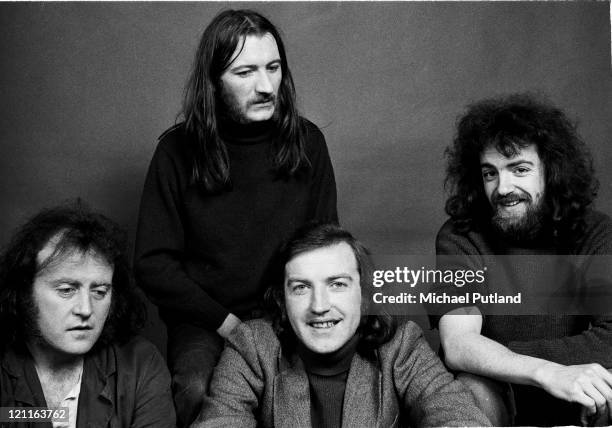
Planxty
 Ireland
The band that reshaped Irish folk music
4
Members
About
Planxty are widely regarded as the band that reshaped Irish folk music in the 1970s. Though they disbanded in 2005, their recordings continue to sell steadily, and their influence echoes through the work of artists like Ed Sheeran, who has said he grew up on their music. Their sound, built around Liam O'Flynn's uilleann pipes and Andy Irvine's bouzouki, remains a touchstone for traditional musicians worldwide.
Today, the surviving members have moved on to celebrated solo careers and other projects. Christy Moore remains one of Ireland's most beloved performers, while Dónal Lunny continues to produce and play. The band's legacy is kept alive through reissues, tribute concerts, and the enduring popularity of songs like "Arthur McBride" and "The Blacksmith."
Formation Story
Planxty came together almost by accident. In January 1972, Christy Moore was booked to appear on RTÉ's The Late Late Show and needed a backing group. He called on Andy Irvine, Dónal Lunny, and Liam O'Flynn, all of whom he knew from the Dublin folk scene. The chemistry was immediate, and the four decided to keep playing together. They named the band after Turlough O'Carolan's term for tunes composed in honor of patrons.
Within months, they were recording their debut album, Planxty, released in 1973 on Polydor. The album, later known as The Black Album, was a revelation. It blended traditional Irish melodies with contemporary folk songwriting, and its intricate instrumental arrangements set a new standard. The band toured relentlessly across Europe and America, building a devoted following.
Their second album, The Well Below the Valley, came out later that year and cemented their reputation. But tensions grew, and in December 1975, they broke up. Christy Moore left to pursue a solo career, and the remaining members brought in Johnny Moynihan. This lineup was short-lived, and by 1978, the band reformed with Paul Brady on vocals and guitar, and Matt Molloy on flute. This second incarnation produced After the Break and The Woman I Loved So Well, which showcased a more polished studio sound. They disbanded again in 1983.
The original quartet reunited in October 2003 for a series of concerts that stretched into 2005. Their final performance took place on 31 January 2005 at the Olympia Theatre in Dublin, bringing the story to a close.
Members
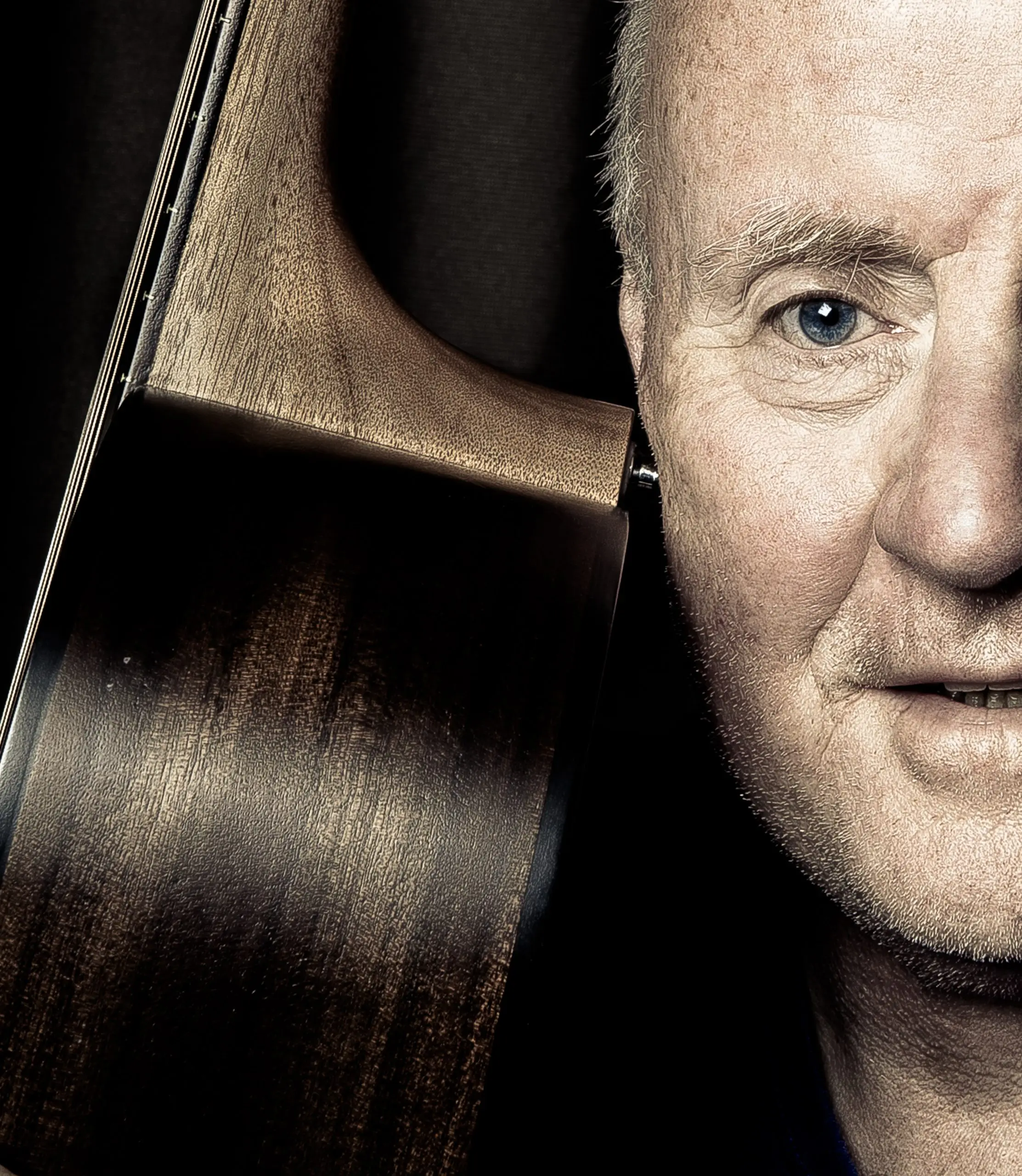
Christy Moore
Christopher Andrew Moore
Lead Vocalist
Andy Irvine
Andrew Kennedy Irvine
Lead Vocalist
Dónal Lunny
Dónal Lunny
Bouzouki Player
Liam O'Flynn
Liam Óg Ó Floinn
Piper
Former Members
Musical Style
Planxty's music was rooted in Irish tradition but pushed it into new territory. At the core was Liam O'Flynn's uilleann piping, which gave the band its distinctive voice. Andy Irvine's bouzouki playing added a rhythmic drive that was unusual for the time, and Dónal Lunny's arrangements were inventive and complex.
Their early albums featured mostly traditional tunes and songs, but with a contemporary energy. The instrumental interplay was intricate, with pipes, fiddle, and bouzouki weaving together in ways that felt fresh. When Paul Brady joined, the songwriting became more prominent, and the sound grew fuller with keyboards and flute.
Lyrically, they drew on Irish history and folklore, but also included contemporary social commentary. Songs like "Arthur McBride" and "The Blacksmith" became standards. Their approach influenced a generation of musicians, including the Bothy Band, which Dónal Lunny formed after leaving Planxty.
Discography
| Title | Year |
|---|---|
| Live 2004 | 2004 |
| Words & Music | 1983 |
| The Woman I Loved So Well | 1980 |
| After the Break | 1979 |
| Cold Blow and the Rainy Night | 1974 |
| The Well Below the Valley | 1973 |
| Planxty | 1973 |
| Between the Jigs and the Reels | 1982 |
Tours
Planxty Reunion Tour
2003 · 40 shows
European Tour
1978 · 20 shows
Cultural Impact
Planxty, along with the Bothy Band, spearheaded a revival of Irish traditional music that reached far beyond Ireland. They proved that traditional music could be both authentic and popular, and they brought it to stages across Europe and America. Their recordings inspired countless musicians, from folk purists to rock stars.
Ed Sheeran has cited them as a formative influence, and their music has been featured in films and television. The band's fusion of traditional and contemporary elements paved the way for Celtic rock and world music movements. Their legacy is also carried on by the solo careers of its members, particularly Andy Irvine and Christy Moore, who remain influential figures.
In Ireland, they are remembered as cultural icons. Their music is still played on radio, and their albums continue to be reissued. The death of Liam O'Flynn in 2018 was met with an outpouring of tributes, underscoring the deep respect they command.
Fandom Culture
Planxty's fandom is made up of dedicated Irish folk enthusiasts, many of whom have followed the band since the 1970s. There is no official fandom name or lightstick, but fans share a deep appreciation for the band's musicianship. They gather at tribute concerts and sessions, and online forums like The Session keep discussions alive.
Notable fan moments include the reunion tour in 2003-2005, which drew audiences from around the world. The band's live performances were legendary for their energy and precision, and bootleg recordings circulate among fans. The 1980 television performance of "The Blacksmith" at the Pavilion Theatre in Dún Laoghaire is a beloved archival recording.
Awards & Accolades
View 3 records, honours and achievementsMilestones
Formation following a television appearance
Debut album released on Polydor Records
First breakup
Reformation with Paul Brady and Matt Molloy
Second breakup
Original quartet reunion
Final performance
Death of Liam O'Flynn
Trivia
The band's name comes from Turlough O'Carolan's term for tunes composed in honor of patrons. Planxty formed almost accidentally after backing Christy Moore on a television show. Dónal Lunny went on to form the Bothy Band, while Matt Molloy joined The Chieftains. Liam O'Flynn collaborated with Mark Knopfler outside Planxty. The band's 1978 German tour was recorded and later released as One Night in Bremen.
Keywords
Sources
Quick Facts
- Formed
- January 1972
- Origin
- Newbridge, County Kildare, Ireland
- Label
- Polydor Records
- Genres
- Irish traditional music, Celtic rock, Contemporary folk
- Status
- Disbanded
Group Info
- Formed
- 1972-01-01
- Debut
- 1973-01-01
- Origin
- Newbridge, County Kildare, Ireland
- Company
- Polydor Records
- Label
- Polydor Records
- Status
- Disbanded (2005-01-31)
Social Media
Join the community
fans discussing