
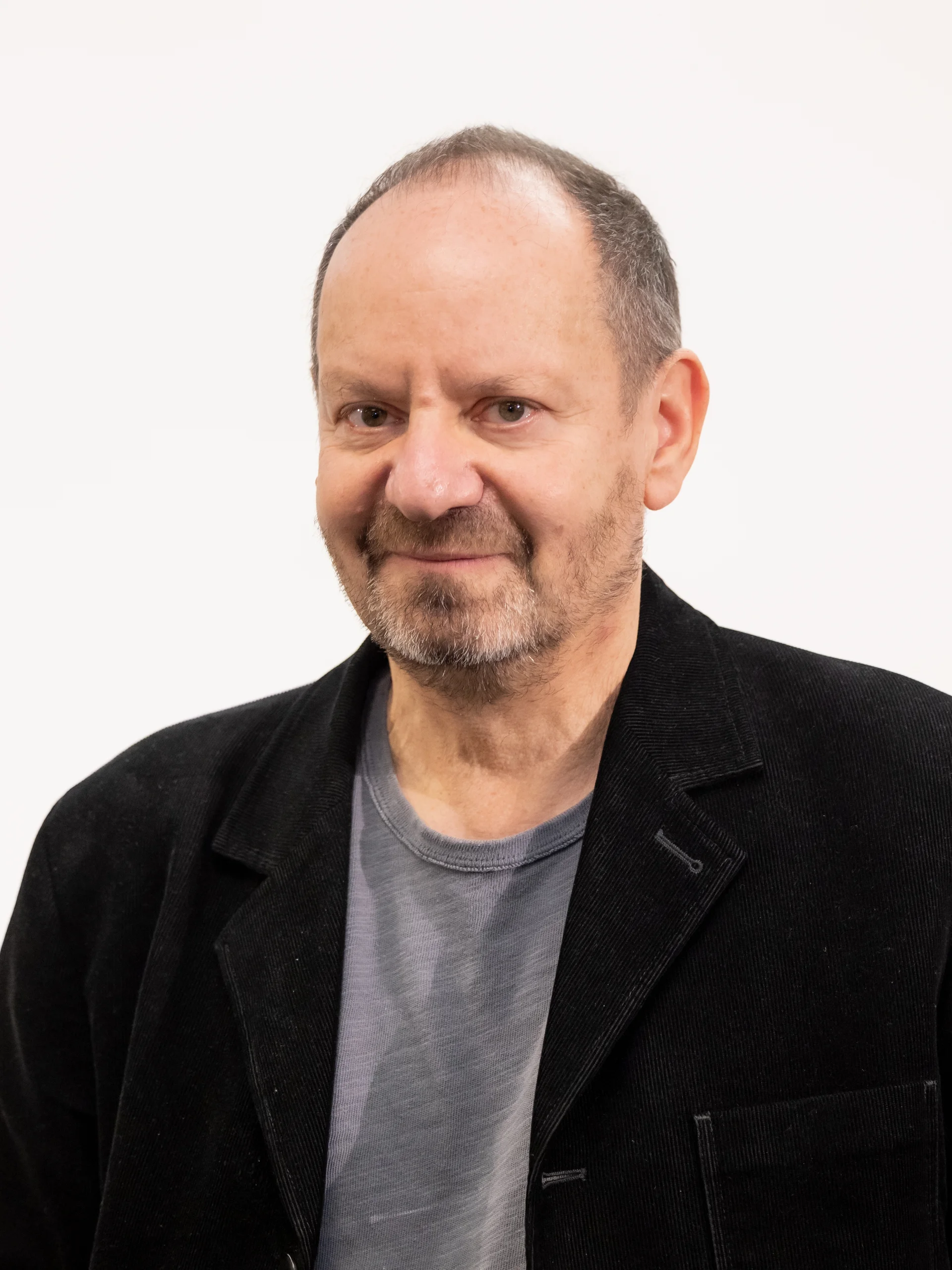
Philippe Sands
 United Kingdom
jurist•university teacher•barrister
Also known as: Prof. Philippe Sands KC, Philippe J. Sands
Birthday
October 17, 1960
Birth Sign
Libra
Birthplace
London, England
Age
66 years old
About
Philippe Joseph Sands is a British-French jurist, author, and academic who operates at the intersection of international law and human rights advocacy. Born in London to a family of Polish-Jewish Holocaust survivors, he holds dual citizenship and serves as Professor of Laws at University College London while directing the Centre on International Courts and Tribunals. He also holds the title of Samuel Pisar Visiting Professor of Law at Harvard Law School and practices as a barrister at 11 King's Bench Walk.
Sands has gained global recognition for his ability to translate complex legal concepts into compelling narratives that resonate with general audiences. His 2016 book East West Street won the Baillie Gifford Prize for Non-Fiction and traced the intellectual origins of genocide and crimes against humanity through the lives of three men. He followed this success with works like The Ratline and The Last Colony, which examined Nazi fugitives and the British colonial legacy in the Chagos Islands respectively.
His career includes high-profile representation of states before the International Court of Justice and the European Court of Human Rights. Beyond litigation, he served as President of English PEN from 2018 to 2023 and was a long-standing board member of the Hay Festival. In October 2026, he received the Peace Prize of the German Book Trade for his lifelong defense of international law.
Early Life & Background
Philippe Sands entered the world in London on October 17, 1960, into a family shaped by the trauma of World War II. His father, Robert Sands, was a Polish-Jewish refugee who had fled the continent before the war began, while his maternal grandparents were also Jewish refugees from Poland who survived the conflict. Despite the profound horrors their relatives endured under the Nazi occupation, the family maintained a silence about these events that would later define Philippe's life's work.
He grew up navigating a bicultural identity in London, attending St Paul's School for his secondary education. This early exposure to a heritage defined by displacement and survival planted the seeds for his future interest in human rights and accountability. He pursued his undergraduate degree in law at Trinity Hall, Cambridge, where he honed the analytical skills that would become central to his career.
Seeking a broader perspective on legal frameworks, Sands traveled to the United States to complete his Master of Laws at Yale Law School. This experience exposed him to different approaches to international jurisprudence and solidified his resolve to work in the field of public international law. Before his rise to prominence as an author and leading counsel, he spent years qualifying as a barrister and joining the faculty at University College London in 1984, laying the groundwork for decades of scholarly and practical contribution to the law.
Career Growth
Sands' professional trajectory is marked by significant milestones in both academia and litigation. After qualifying as a barrister, he joined the UCL faculty in 1984, beginning a tenure that continues today. During the 1990s, he established himself as a key figure in international law, appearing before the European Court of Human Rights and the International Court of Justice. A notable achievement during this period was representing Ukraine in its first case before the ICJ concerning the Black Sea maritime boundary dispute.
In 2005, he co-founded the Centre on International Courts and Tribunals (CICT) at UCL and served as its director, fostering research and dialogue on global justice mechanisms. The 2010s marked a shift toward public intellectualism with the publication of East West Street: On the Origins of "Genocide" and "Crimes Against Humanity" in 2016. This memoir blended personal history with legal analysis and won the Baillie Gifford Prize for Non-Fiction. He succeeded Kenan Malik as President of English PEN in 2018, serving until April 2023.
His literary output continued with The Ratline in 2021, investigating the escape route of Nazi official Otto Wächter, and The Last Colony in 2022, which scrutinized the British colonial legacy in the Chagos Islands. In 2024, he stepped down from the Hay Festival board after many years of service. Most recently, in October 2026, he was awarded the Peace Prize of the German Book Trade at the Frankfurt Book Fair, recognizing his contributions to human rights and international law.
Career Timeline
Public Image & Style
Sands is portrayed in the media as a serious, intellectual, and principled figure who bridges the gap between abstract legal theory and real-world morality. He is known for his ability to translate complex legal jargon into compelling narratives that appeal to both scholars and general readers. His public image carries an air of moral authority, particularly when addressing issues of human rights and accountability for state violence.
Unlike many public figures, he does not rely on social media trends or celebrity culture to maintain visibility. Instead, his presence is defined by his written works, academic lectures, and high-stakes courtroom appearances. Critics and peers view him as a steadfast defender of international law who is willing to challenge powerful governments and institutions when necessary.
Fame & Fandom (iFAMOUS Rankings)
As of the October 2026 rankings, iFANN's Global Fame Engine has evaluated Philippe Sands, but he does not currently hold a placement in the published rankings. He is not featured in the September 2026 iFAMOUS Rankings flagship list. His fame is concentrated within specific sectors rather than the general public sphere.
Sands does not have a formal fandom name or organized fanbase in the traditional sense. His audience consists of legal professionals, academics, historians, and readers of literary non-fiction. Engagement with his work typically occurs through university seminars, book clubs, and legal conferences rather than social media campaigns or fan projects. His influence stems from the impact of his books and legal arguments on policy and scholarship, creating a dedicated following among those interested in international justice and human rights.
Interesting Facts and Legends
The central thesis of East West Street emerged from a specific family silence; Sands discovered that his own relatives never spoke about the Holocaust despite the trauma they endured, a gap he sought to fill through rigorous historical and legal investigation. He holds dual citizenship in both the United Kingdom and France, a status that allows him to navigate European legal systems with unique fluency and authority. Beyond traditional international law, Sands has served as an arbitrator for the Court of Arbitration for Sport, handling high-profile disputes involving doping allegations and contract breaches.
His book Torture Team was born from a detailed examination of legal memos that authorized interrogation techniques used during the War on Terror, exposing how legal language can be manipulated to justify cruelty. The narrative structure of East West Street follows the intertwined lives of Hersch Lauterpacht, Rafael Lemkin, and Hans Frank, connecting the creation of modern legal terms to the very people whose names he bore. His recent acceptance speech at the Frankfurt Book Fair in 2026 directly challenged the German government's stance on Israel, becoming a viral moment that reinforced his reputation for uncompromising moral clarity.
Notable Quotes
“The law is not a static set of rules; it is a living language that evolves to meet the challenges of human cruelty.”
“Germany's silence on Gaza is deafening, given its history.”
“We must not let the past become a tool for the present, but a guide for the future.”
Family & Personal Life
Philippe Sands comes from a family deeply affected by the Holocaust. His father, Robert Sands, was a Polish-Jewish refugee who escaped to the UK before World War II, while his maternal grandparents were also Jewish refugees from Poland who survived the war. These family roots in the Holocaust provided the emotional and historical foundation for much of his writing, particularly East West Street.
Despite his public profile, Sands maintains a notably private personal life. There are no widely documented reports of marriages, engagements, or children in the public domain. He keeps details about his immediate family and romantic relationships out of the spotlight, focusing instead on his professional and literary achievements. He resides primarily in London, dividing his time between his legal practice at 11 King's Bench Walk and his academic duties at UCL and Harvard.
Notable Connections
Hersch Lauterpacht, Rafael Lemkin, Hans Frank, Kenan Malik, Otto Wächter
Relationships & Dating History
Philippe Sands maintains a notably private personal life, and there are no widely documented or verified reports of marriages, engagements, or long-term romantic partnerships in the public domain. Unlike many public figures, he does not use media platforms to discuss his dating history or family members beyond the immediate context of his genealogical research for his books.
Public records indicate that he remains unmarried and single as of late 2026. While he has written extensively about his grandparents and parents, there is no public confirmation of children. Any information regarding offspring is speculative and unverified. He resides primarily in London, dividing his time between his practice at 11 King's Bench Walk and his academic duties at UCL and Harvard, keeping his personal affairs strictly separate from his public career.
Salary, Net Worth In 2026
$2.2 Million
iFANN Editorial Team estimate
iFANN currently estimates Philippe Sands' net worth at approximately $2.2 million. This figure reflects his diverse income streams derived from a distinguished legal career and a successful publishing record. As a senior barrister at 11 King's Bench Walk, Sands handles complex international disputes and investment arbitration cases, which command substantial fees. His legal expertise extends to sports arbitration and representation of states before international tribunals, providing a steady and significant source of revenue.
His literary career has further bolstered his financial standing. With seventeen books to his name, including the award-winning East West Street, he earns considerable advances and royalties. The translations of his work into multiple languages have expanded his earning potential globally. Unlike some celebrities who rely on endorsements or real estate speculation, Sands' wealth is built on professional services and intellectual property. He maintains a standard residential lifestyle in London without major commercial brand partnerships, keeping his focus on his academic and legal commitments.
Awards Won (2)
Philippe Sands has received numerous prestigious accolades for his contributions to international law and literature. He won the Baillie Gifford Prize for Non-Fiction in 2016 for his book East West Street. In 2026, he was awarded the Peace Prize of the German Book Trade (Friedenspreis des Deutschen Buchhandels) at the Frankfurt Book Fair. His other works have been shortlisted for major awards, including the Wolfson History Prize for The Ratline and the Orwell Prize for The Last Colony.
2016 · Non-Fiction
East West Street
2026 · Human Rights & Literature
Lifelong Defense of International Law
Known For
East West Street
2016 · Author
The Ratline
2021 · Author
The Last Colony
2022 · Author
Keywords
Sources
Quick Facts
- Profession
- jurist, university teacher, barrister
- Born
- October 17, 1960
- Birthplace
- London, England
- Gender
- Male
- Birth Sign
- Libra
Personal Details
- Full Name
- Philippe Joseph Sands
- Children
- Education
- Trinity Hall, Cambridge; Yale Law School
Frequently Asked Questions
What is Philippe Sands best known for?
How old is Philippe Sands in 2026?
Is Philippe Sands married?
What awards did Philippe Sands win?
Where does Philippe Sands work?
Social Media
Similar People

Join the community
fans discussing