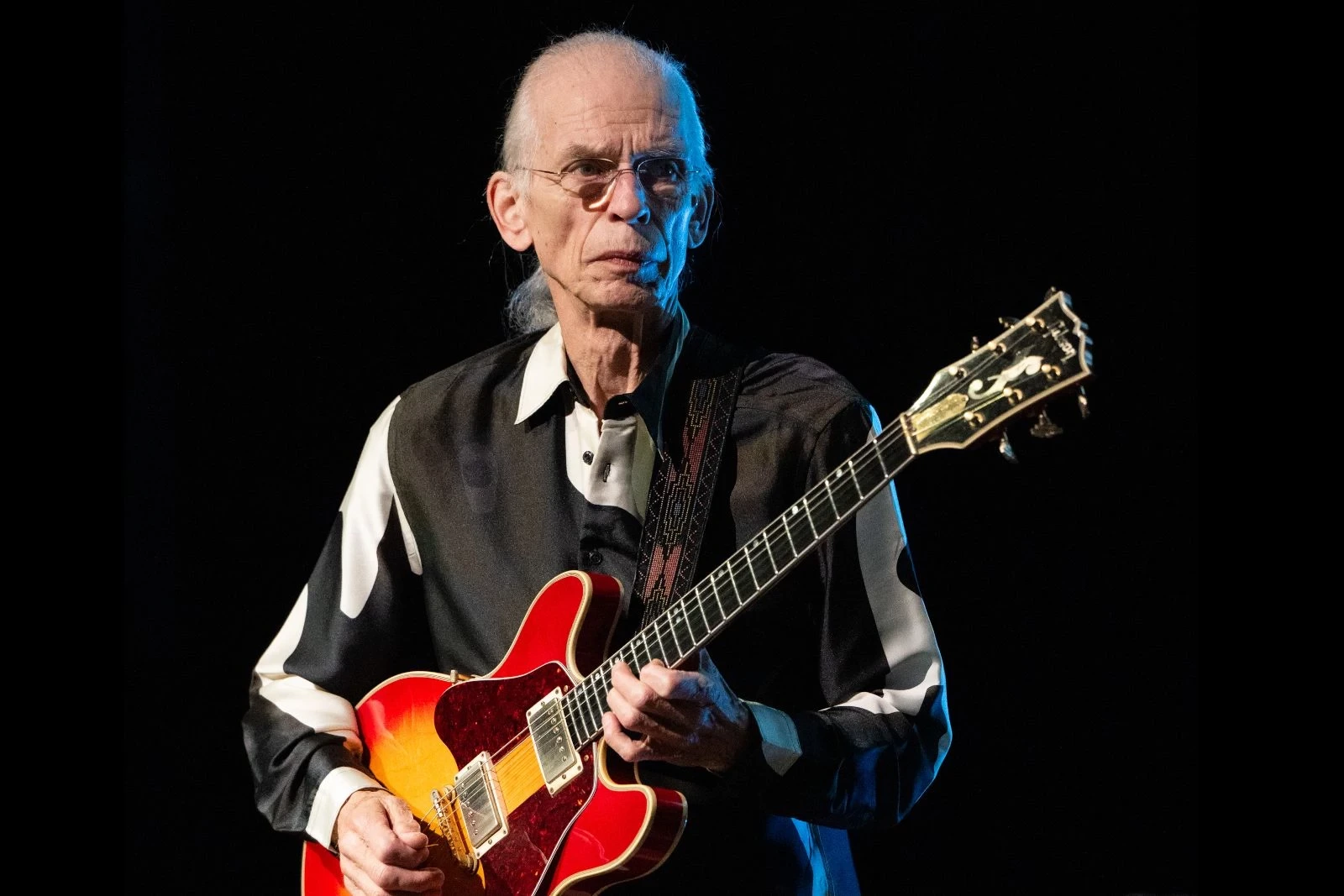
Peter Banks
 United Kingdom
Member of Yes
Also known as: Peter William Brockbanks
Birthday
July 15, 1947
Birth Sign
Cancer
Birthplace
London Borough of Barnet, England
Age
Died at 65
About
Peter William Brockbanks (15 July 1947 – 7 March 2013), known professionally as Peter Banks, was an English guitarist and songwriter. He is best remembered as the original lead guitarist for the progressive rock band Yes, where he played on their first two albums before departing in 1970. Music historians often describe him as "the architect of progressive music" due to his foundational compositional work on the self-titled debut Yes and its follow-up Time and a Word.
Banks brought a unique sonic identity to the genre, blending classical influences with psychedelic textures and complex chord structures. His departure left a significant void that was filled by Steve Howe, but Banks' early contributions helped define the blueprint for the entire progressive rock movement. Despite his pivotal role in shaping a global genre, his later years were spent in relative obscurity away from the spotlight.
Early Life & Background
Born in the London Borough of Barnet during the post-war era, Banks developed a deep fascination with music from a young age. His early life was defined by a relentless pursuit of guitar mastery within the vibrant London club scene of the mid-1960s. Before achieving international recognition, he was a founding member of The Syn, a band that experimented with extended compositions and orchestral arrangements well ahead of their time.
A pivotal moment in this pre-fame period occurred in January 1967 when The Syn performed at the Marquee Club in London. The event became legendary among rock historians not for its success but for its catastrophic failure. Equipment malfunctioned, the performance was chaotic, and the audience was sparse. Yet this disaster served as a catalyst, forcing the musicians to refine their sound and eventually lay the groundwork for what would become Yes. This period established Banks as a serious composer who valued artistic ambition over commercial viability.
Career Growth
In late 1968, Banks joined forces with Jon Anderson, Chris Squire, Tony Kaye, and Bill Bruford to form Yes. As the primary composer for the band's early material, he shaped the sound of their debut album Yes (1969) and Time and a Word (1970). His songwriting credits include the instrumental "Yours Is No Disgrace" and the title track of Time and a Word. However, tensions regarding his reluctance to tour extensively and disagreements over the band's direction toward a more commercial sound led to his departure in February 1970.
Immediately after leaving Yes, Banks formed the band Flash with Colin Carter, Ray Bennett, and Mike d'Abo. They released one album, Flash (1971), which mixed pop-rock with prog elements before disbanding shortly after. He then joined Empire, releasing two albums: Empire (1972) and Hymns of Glory (1973). While these projects received moderate attention, they did not match the commercial heights of his time with Yes. Later years saw solo releases like No More Words (1972) and In the Beginning (1996), though his career remained marked by financial struggles compared to his former bandmates.
Career Timeline
Public Image & Style
Banks cultivated a persona defined by artistic integrity rather than celebrity. He was known for his reluctance to compromise his musical vision for commercial gain, which often put him at odds with the music industry machine. His style was characterized by a blend of classical training and psychedelic experimentation, setting him apart from the blues-based rockers of the era. Media perception shifted over time; initially seen as a talented but difficult musician, he later became a figure of sympathy for those who felt the industry had discarded a pioneer. His quiet nature and lack of self-promotion contributed to a legacy built on respect from peers rather than public adoration.
Fame & Fandom (iFAMOUS Rankings)
The devotion surrounding Peter Banks exists not as a unified movement but as a quiet, archival preservation effort within the broader progressive rock community. Unlike modern stars with organized tribes, Banks' followers operate through general Yes platforms like Yesworld and dedicated Facebook groups, where annual birthday tributes serve as the primary ritual. These fans focus on rescuing his solo discography from obscurity and ensuring the "architect of prog" receives credit for the sonic blueprint of Yes's first two albums. His relationship with the public was defined by distance; he spent his final decades in reclusion, rarely engaging with the very audience that would later mourn his lonely death in 2013. This lack of direct interaction created a legend of the genius who built the house but lived in the basement, fueling a fanbase driven more by historical correction than active fandom. While no formal collective noun exists to name this group, their efforts to compile anthologies and release video tributes demonstrate a deep commitment to preserving his legacy against the tide of time. Despite his foundational role in shaping a genre, iFANN's Global Fame Engine has evaluated this person, but they do not currently hold a placement in the published rankings (Global Top 1,000 or a Top-100 scope list).
Interesting Facts and Legends
Peter Banks is widely regarded as the architect of progressive music for his compositional work on Yes's debut album and Time and a Word. A defining chapter of his life involves his tragic death alone in his Hertfordshire home in March 2013, where he had fallen into poverty and obscurity despite his earlier fame. Fans often recount the story of his exclusion from the 1991–1992 Union Tour, an incident where he reached out to former bandmate Tony Kaye only to be rejected. Another piece of origin folklore centers on a disastrous gig with his pre-Yes band, The Syn, which has become legendary among classic rock historians as a chaotic event that somehow birthed a new era of sound. This narrative highlights the contrast between his foundational influence and his isolated end.
Notable Quotes
“I think I was the architect of progressive music.”
“I felt I was being pushed out... I didn't want to be part of the machine anymore.”
Family & Personal Life
Details about Peter Banks' family are scarce as he maintained a private life throughout his career. There is no public record of marriage or children. He lived much of his later life in reclusion in Hertfordshire, England. Unlike many of his peers, he did not maintain a high-profile public image or engage in extensive media interviews during his final decades. He died alone in his home, a fact that underscores the isolation of his final years.
Notable Connections
Relationships & Dating History
Peter Banks was a private individual, and details about his romantic life are scarce. There is no public record of marriage or long-term relationships that have been documented in credible biographical sources. He lived much of his later life in reclusion in Hertfordshire, England. Unlike many of his peers, he did not maintain a high-profile public image or engage in extensive media interviews during his final decades. Consequently, there are no confirmed dates of birth for children or specific partners to report. He died alone in his home, a fact that underscores the isolation of his final years.
Death & Aftermath
Died
March 7, 2013 (aged 65)
Death Place
Hertfordshire, England
Cause of Death
Systemic infection from dental neglect leading to heart failure
Peter Banks died on March 7, 2013, at the age of 65 in his home in Hertfordshire. The final days were marked by isolation and financial struggle, with reports stating that long-term neglect of severe dental problems triggered a systemic infection leading to heart failure. This medical narrative, attributed to an associate named Mizer, circulated widely in retrospective features despite lacking an official coroner's ruling or autopsy confirmation.
Public reaction included tributes from the progressive rock community and fans mourning the loss of the original architect of Yes's sound. These acknowledgments appeared primarily through online archives and music platforms rather than immediate mass gatherings or public vigils. Posthumous efforts focused on maintaining his legacy through the official website peterbanks.net and the active Peter Banks Musical Estate. The estate has collaborated with David Cross to release new material titled The Other Horizon while managing his catalog across Yes, Flash, and Empire to ensure his contributions remain accessible.
Net Worth (Estate Value)
$0
iFANN Editorial Team estimate
Due to his death in 2013 and the reports of poverty in his final years, Peter Banks did not accumulate significant personal wealth during his lifetime. Research by the iFANN Editorial Team puts his estate value at approximately $0, reflecting the financial struggles he faced in his later decades. The Peter Banks Musical Estate manages his catalog, which generates royalties from Yes, Flash, and Empire recordings. The estate collaborates with David Cross for posthumous releases. However, specific dollar figures for the estate's current value are not publicly disclosed, and any figures suggesting substantial personal wealth are likely speculative or conflated with the value of the Yes catalog managed by the estate.
Awards & Accolades
Known For
Yes
1969 · Original Guitarist
Time and a Word
1970 · Guitarist and Songwriter
Flash
1971 · Lead Guitarist
Empire
1972 · Guitarist
Keywords
Sources
Quick Facts
- Profession
- guitarist, songwriter, singer
- Born
- July 15, 1947
- Birthplace
- London Borough of Barnet
- Died
- March 7, 2013
- Death Place
- Hertfordshire, England
- Gender
- Male
- Birth Sign
- Cancer
Personal Details
- Full Name
- Peter William Brockbanks
- Children
Frequently Asked Questions
Who was Peter Banks?
How did Peter Banks die?
Why did Peter Banks leave Yes?
Did Peter Banks have any children?
What is Peter Banks' legacy?

Join the community
fans discussing