Penelope
Appears In
The Odyssey
Species
Human
First Appearance
8th century BCE
Occupation
Queen of Ithaca
Creator
Homer
Overview
Origin Story
Penelope entered the world as the daughter of Icarius, king of Sparta, and the naiad Periboea. Some traditions give her an earlier name of Arnacia before she earned the title Penelope, possibly tied to a dramatic childhood event where her father cast her into the sea and she survived through divine help or a flock of ducks.
She married Odysseus, the clever ruler of Ithaca, and together they had a son named Telemachus. When the Trojan War called Odysseus away, Penelope suddenly found herself alone. For twenty long years she held the throne, raised their child, and protected their household from men who assumed her husband had died.
Personality
Penelope stands out for her sharp mind and fierce loyalty. She values honesty and family above all, yet she never hesitates to use clever tricks when facing danger. Her patience runs deep, but she pairs it with a restless intelligence that keeps her several steps ahead of those who underestimate her.
She shows quiet strength in how she manages an entire kingdom without soldiers or kings at her side. Hope never fully leaves her, even as doubt creeps in during the hardest years. This balance of trust and caution defines her every choice.
Story Arc
Left to rule Ithaca while Odysseus fought at Troy and then wandered for a decade, Penelope spent years fending off more than a hundred suitors who devoured her resources and demanded she remarry. She announced she would choose a new husband only after finishing a burial shroud for her father-in-law Laertes. Each day she wove, and each night she undid her work by torchlight, stretching the task across three full years until a servant betrayed her secret.
As pressure mounted she proposed one final contest: whoever could string Odysseus's heavy bow and shoot an arrow through twelve axe heads would win her hand. The challenge let the disguised Odysseus reveal himself and reclaim his home by force. Even after the battle she refused to accept the stranger immediately. She tested him with details only her true husband could know, proving her caution matched his own cunning.
Her journey moves from isolated defender to reunited partner who still keeps her independence. Later traditions claim she bore more children after the war and, in one variant, married Telegonus following Odysseus's death. Across centuries of retellings she grows from a model of faithful waiting into an active heroine whose intellect drives the story as much as any warrior's sword.
Powers & Abilities
Strategic deception
Household management
Weaving
Psychological insight
Political navigation
Equipment & Signature Items
Loom
Relationships
Odysseus
Love InterestHer husband whose long absence she endures with hope and clever defense of their home.
Telemachus
FamilyHer son whom she raises alone and protects from the suitors.
The Suitors
EnemyOver one hundred aggressive men who overrun her palace and pressure her to marry.
Eurycleia
OtherLoyal nurse who shares Penelope's household secrets and aids her plans.
Laertes
FamilyHer father-in-law for whom she weaves the famous delaying shroud.
Memorable Quotes
“I have no way of knowing if you are truly Odysseus or some god in disguise.”
“The gods have given me sorrow beyond measure, but I will not yield until I know the truth.”
Portrayed By
Key Appearances
The Odyssey
Reception & Legacy
Fans of Greek mythology have long admired Penelope as the gold standard of fidelity and cleverness. She offers a powerful counterpart to the more famous warriors and gods who dominate the Trojan cycle. Readers especially love how her patience never equals weakness. Instead she shapes events through planning and mental endurance.
Modern audiences celebrate her as an early feminist figure whose intelligence rivals Odysseus himself. Countless novels, plays, and academic papers explore her inner life and decision-making. Her name still evokes ideas of loyalty, resilience, and creative problem-solving in everyday language and art.
Interesting Facts and Legends
Her name may derive from penelops, a type of duck, or from the Greek word for weaver.
The shroud trick stands as one of the earliest examples of a woman using intellect to outwit men in epic poetry.
Some later myths claim she gave birth to the god Pan or married her husband's killer Telegonus.
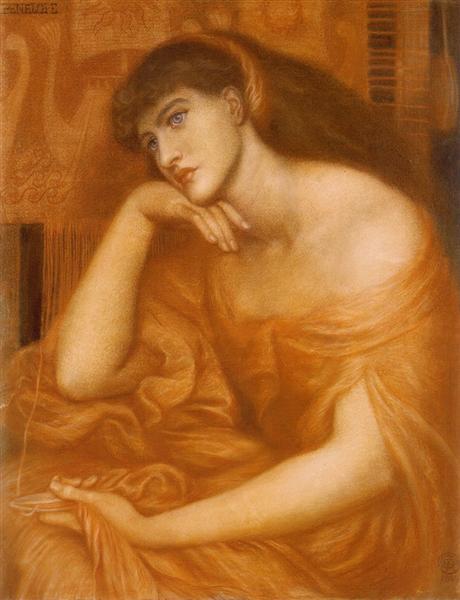
Artists from ancient times to today often show her seated at her loom, lost in thought.
She frequently appears in feminist readings as a symbol of quiet agency rather than passive waiting.
Her story explores themes of time, memory, and identity that still fascinate scholars.
Frequently Asked Questions
Who is Penelope in Greek mythology?
Does Penelope die in The Odyssey?
Who plays Penelope in the upcoming Odyssey movie?
Is Penelope a villain?
Who does Penelope end up with?
Keywords
Sources
Character Info
- Born
- Sparta
- Parents
- Icarius and Periboea
- Children
- Telemachus
Join the community
fans discussing