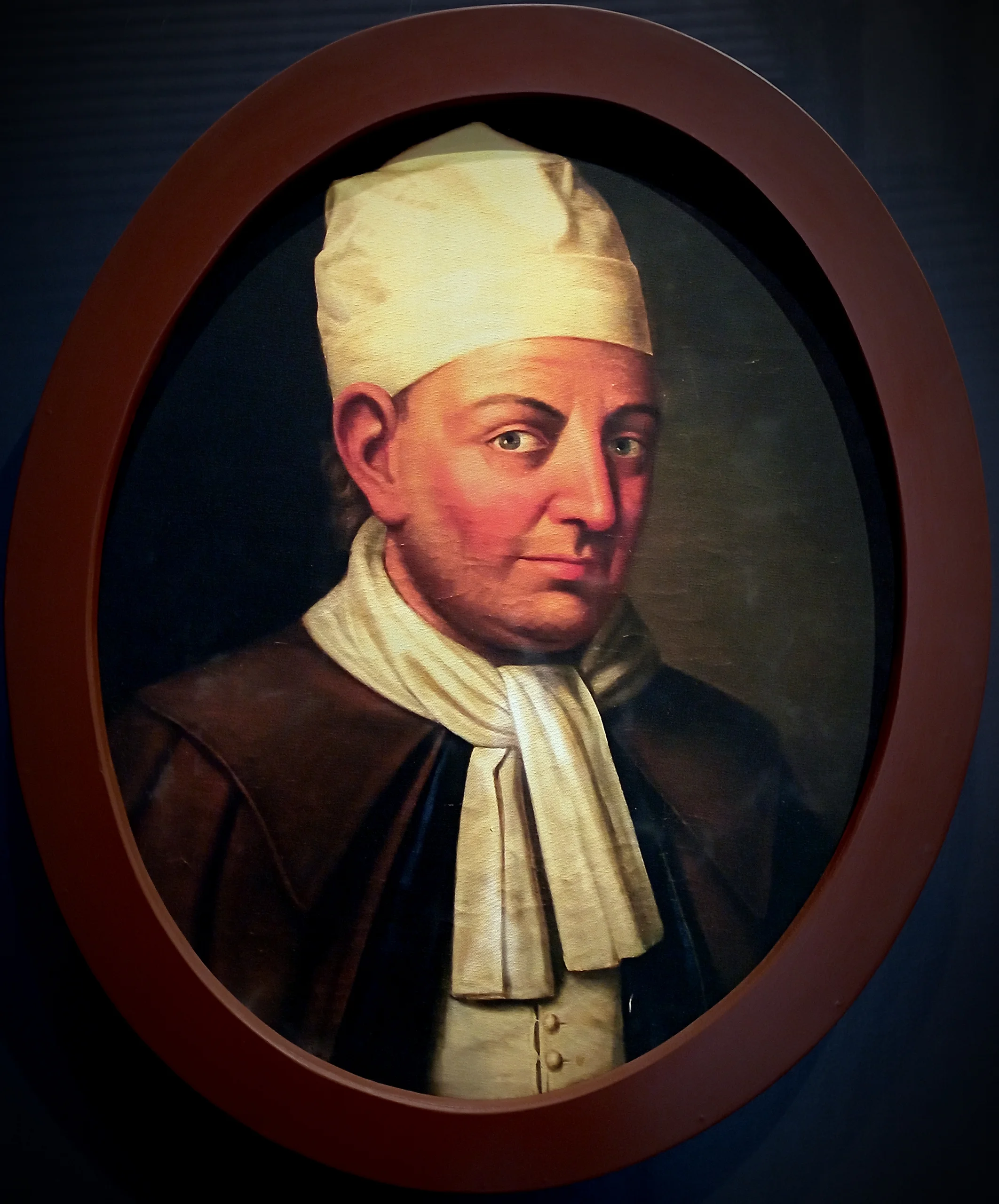
Pedro Lascuráin
 Mexico
Birthday
May 8, 1856
Birth Sign
Taurus
Birthplace
Mexico City, Mexico
Age
Died at 96
About
Pedro Lascuráin was a Mexican lawyer and politician who holds the record for the shortest presidency in world history. On February 19, 1913, during the chaos of the Mexican Revolution, he served as president for roughly 45 minutes before resigning, a feat that has made him a curious footnote in political history. His brief tenure was a strategic move that handed power to Victoriano Huerta, the military leader behind the coup that ousted Francisco Madero.
Beyond that extraordinary day, Lascuráin was a respected legal scholar and diplomat. He directed the Escuela Libre de Derecho for 16 years and twice served as Mexico's foreign secretary. His family background was equally notable, as his grandfather, Mariano Paredes, had been president decades earlier. Lascuráin's life, spanning nearly a century, was defined by service to his country, even if his name is now synonymous with a political anomaly.
Early Life & Background
Pedro Lascuráin was born into Mexico's political elite on May 8, 1856, in Mexico City. His grandfather, Mariano Paredes, served as president of Mexico in the 1840s, and the family's prominence opened doors for young Pedro. He studied at the prestigious Escuela Nacional Preparatoria, where he excelled in law and developed a passion for legal theory.
After completing his education, Lascuráin dedicated himself to academia and public service. He became a law professor and eventually took the helm at the Escuela Libre de Derecho, a respected institution where he shaped the minds of future lawyers for over a decade. His legal expertise and political connections led him into government, where he held various administrative roles in Mexico City. By the early 1910s, he had earned a reputation as a capable and loyal public servant, though nothing prepared him for the whirlwind of 1913.
Career Growth
Lascuráin's public career peaked during one of Mexico's most turbulent periods. He served as Secretary of Foreign Affairs twice, first under President Francisco Madero and later in the chaotic days of the coup. On February 19, 1913, with Madero forced to resign, Lascuráin was constitutionally next in line. He assumed the presidency at around 5:15 PM, appointed Victoriano Huerta as his foreign secretary, and then resigned just 45 minutes later, allowing Huerta to take power legally.
That brief presidency, the shortest in history, has overshadowed his other achievements. After stepping down, Lascuráin returned to his legal career, directing the Escuela Libre de Derecho until his later years. He lived quietly in Mexico City, passing away on July 21, 1952, at age 96. His legacy remains tied to that one extraordinary day, but his contributions to Mexican law and diplomacy were substantial.
Career Timeline
Public Image & Style
Pedro Lascuráin is remembered almost exclusively for his 45-minute presidency, a historical curiosity that has fascinated people for over a century. His image is that of a man caught in a political storm, a constitutional pawn in a power play. Historians often describe him as a reluctant participant, a lawyer who followed the letter of the law even when it meant serving for less than an hour.
In Mexico, his story is a staple of history textbooks, a cautionary tale about the fragility of power. Abroad, he's a trivia answer, a name that pops up in lists of shortest reigns. Despite the brevity, his actions on that day were calculated and deliberate, ensuring a legal transfer of power. That nuance is often lost in the retelling, but it reveals a man who valued procedure even in chaos.
Fame & Fandom (iFAMOUS Rankings)
Pedro Lascuráin commands a niche but enduring place in global historical consciousness, recognized primarily as the holder of a singular, unbreakable record rather than through broad celebrity. His fame is academic and anecdotal, circulating through textbooks and trivia circles that celebrate constitutional oddities. As of August 2026, iFANN has evaluated his standing within the Global Fame Engine, yet he does not currently hold a placement in the published rankings for the Global Top 1,000 or any scope-specific top lists. This absence from the ranked tiers reflects his status as a figure defined by a specific historical event rather than sustained modern media consumption or pop culture relevance. While he appears frequently in lists of world records, he lacks the active engagement metrics required for a current numerical ranking. The audience surrounding his legacy consists of history enthusiasts and legal scholars rather than an organized fanbase. No formal fandom name exists for those who study his tenure, and there are no documented campaigns, rituals, or self-identified groups dedicated to his memory. His story remains a static chapter in political history, revered for its precision and absurdity rather than idolized with the fervor reserved for living entertainers or contemporary icons.
Interesting Facts and Legends
Pedro Lascuráin holds the Guinness World Record for the shortest presidency ever, serving for approximately 45 minutes on February 19, 1913. During this brief tenure, he never delivered an inaugural address nor issued a single decree. Historical accounts suggest his resignation letter was pre-written, highlighting the calculated nature of the power transfer to Victoriano Huerta. Despite his fleeting time in office, Lascuráin outlived all his presidential successors, passing away at the remarkable age of 96. He also holds the unique distinction of being the only president in history to appoint his successor as his own foreign secretary before resigning. His wife, María Flores, died just a year before him after a marriage lasting 61 years. The legend surrounding him centers entirely on the events of La Decena Trágica, where he served as Minister of Foreign Affairs next in line for succession. To facilitate a legal transfer of power during the coup against Francisco Madero, Lascuráin briefly assumed the presidency, immediately appointed himself Interior Minister, and then resigned, allowing Huerta to take the throne. This entire maneuver, executed with constitutional precision amidst chaos, lasted roughly 45 minutes. While often described as a reluctant participant or a constitutional pawn, this moment remains the defining chapter of his life, cementing his place in history textbooks as a cautionary tale about the fragility of power.
Family & Personal Life
Pedro Lascuráin married María Flores in 1890, and the couple had six children together. Their marriage lasted over six decades, with María passing away in 1951. Lascuráin came from a distinguished lineage; his grandfather, Mariano Paredes, was a former Mexican president, and his family's political connections influenced his own career path.
After his presidency, Lascuráin retreated from public life and focused on his family and legal work. He lived modestly in Mexico City, where he died in 1952, a year after his wife. His children and grandchildren carried on his legacy, though none achieved the same political prominence.
Notable Connections
Pedro Lascuráin's life intersected with several key figures in Mexican history. His grandfather, Mariano Paredes, served as president in the 1840s. He was preceded in the presidency by Francisco Madero, whose overthrow created the power vacuum that led to his brief tenure. Lascuráin appointed Victoriano Huerta as his foreign secretary, effectively handing him the presidency. His wife, María Flores, was his partner for over six decades, and they raised six children together.
Relationships & Dating History
Pedro Lascuráin married María Flores in 1890, and the couple remained together for over six decades until her death in 1951. Their marriage produced six children, though details about their individual lives are scarce. Lascuráin did not remarry after María's passing. His relationship with her was stable and supportive, providing a foundation during his turbulent political career. He outlived her by just a year, passing away in 1952.
- MarriedMaría Flores1890 - 1951Married for 61 years until her death.
Death & Aftermath
Died
July 21, 1952 (aged 96)
Death Place
Mexico City
Cause of Death
Reported as natural causes due to advanced age
The New York Times reported on July 22, 1952, that Pedro Lascuráin Paredes died the previous day in Mexico City at the age of 95. Historical records confirm he passed peacefully in his home city without any suspicious circumstances requiring legal intervention or official inquiry.
Public reaction to his death remained a matter of historical acknowledgment rather than mass mourning or elaborate tributes. Tributes were largely confined to biographical entries noting his place in political history, and unlike modern figures who trigger immediate media frenzies, his death was reported as a factual update to the history of Mexican leadership. Funeral arrangements were not widely publicized in available archives, suggesting a private affair handled by his family given the era and the nature of the reporting.
Posthumously, his legacy has been defined almost exclusively by his status as the holder of the world record for the shortest presidential term. He has featured in numerous books, articles, and trivia segments from the early 20th century through recent years highlighting his 45-minute tenure on February 19, 1913.
Net Worth (Estate Value)
$1 Million
iFANN Editorial Team estimate
Estimating the net worth of Pedro Lascuráin presents significant challenges given the era in which he lived and the scarcity of detailed financial records from early 20th-century Mexico. As a distinguished lawyer and academic who directed the Escuela Libre de Derecho for 16 years, he likely enjoyed a comfortable income derived from his legal practice and diplomatic roles. However, his wealth remained modest when compared to the fortunes amassed by modern politicians or corporate figures. Although his presidency came with an official salary, the brevity of his service, less than an hour, meant he collected virtually no pay for that specific role. Following his resignation, he returned to his private law career, which provided a stable living until his death. Per iFANN's editorial analysis, a reasonable estimate for his net worth in today's dollars stands at $1 Million, accounting for his property holdings and lifetime savings. This figure represents a rough approximation based on his background and career trajectory, as no concrete financial documents survive to verify exact totals. Ultimately, his legacy is not defined by financial accumulation but by his historical significance.
Awards & Accolades
View 1 records, honours and achievementsKnown For
President of Mexico
1913 · 38th President (45 minutes)
Keywords
Sources
Quick Facts
- Profession
- politician, diplomat, lawyer
- Born
- May 8, 1856
- Birthplace
- Mexico City
- Died
- July 21, 1952
- Death Place
- Mexico City
- Gender
- Male
- Birth Sign
- Taurus
- Spouse
- María Flores
Personal Details
- Full Name
- Pedro José Domingo de la Calzada Manuel María Lascuráin Paredes
- Spouse
- María Flores
- Children
- 6
- Education
- Escuela Nacional Preparatoria
Frequently Asked Questions
Who was Pedro Lascuráin?
What is Pedro Lascuráin famous for?
When was Pedro Lascuráin born and when did he die?
What was Pedro Lascuráin's role in the Mexican Revolution?
Did Pedro Lascuráin have a family?
Join the community
fans discussing