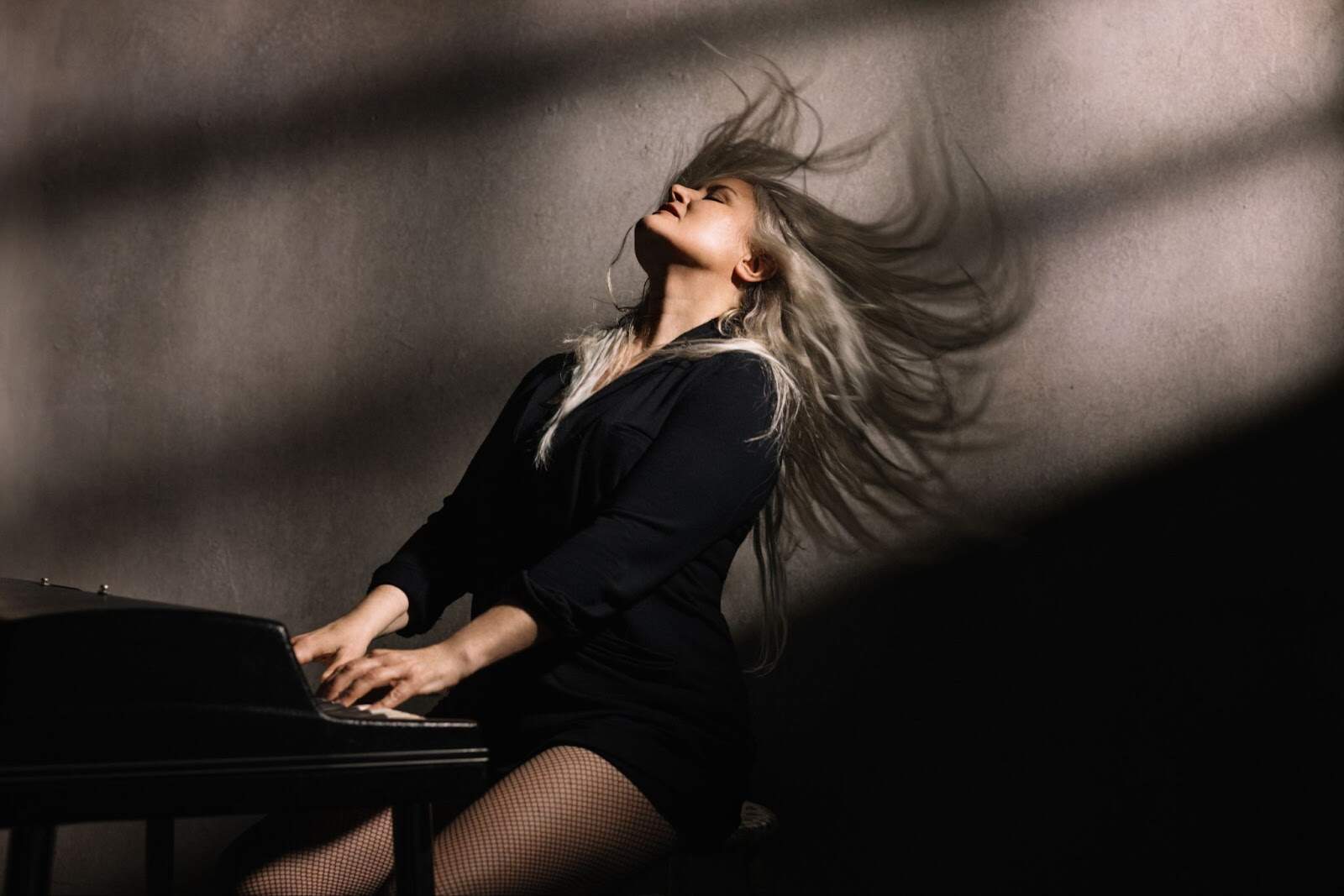
Paula Cole
Awards & Honours
7
Awards Won
3
Honours
2
Rankings
2
Covers
2
Records
Paula Cole's achievements stand out for their historical significance and artistic integrity. Her 1998 Grammy win for Best New Artist capped a year of unprecedented success for a female artist in the alternative and adult contemporary spheres. Making history as the first woman nominated for Producer of the Year (Non-Classical) without a male collaborator remains a landmark moment for female producers in the industry, challenging the male-dominated production landscape. Her role as a headliner for Lilith Fair cemented her status as a key figure in the female-led music movement of the late 90s, a legacy recently reaffirmed by Olivia Rodrigo's announcement of a reboot.
Awards
Honours & Distinctions
Producer of the Year Nomination
First woman ever nominated for the Grammy Award for Producer of the Year (Non-Classical) without a male collaborator.
Berklee Faculty Appointment
Recognized for her expertise, she joined the faculty of her alma mater, highlighting her standing as an educator.
Lilith Fair Icon
Recognized as one of the key figures who defined the female-led music movement of the late 90s.
Rankings & Lists
Greatest TV Theme Songs
Women Who Changed Music
Magazine Covers
Rolling Stone
1997-12
This Fire Feature
Time Magazine
1998-03
New Wave of Female Artists
Records & Feats
First Woman Nominated for Producer of the Year Without Male Collaborator
Made history at the 1998 Grammys by being the first woman nominated for Producer of the Year (Non-Classical) without a male co-producer.
Longest Running TV Theme Song Success
"I Don't Want to Wait" remained the theme for Dawson's Creek throughout its entire run, becoming a cultural touchstone.