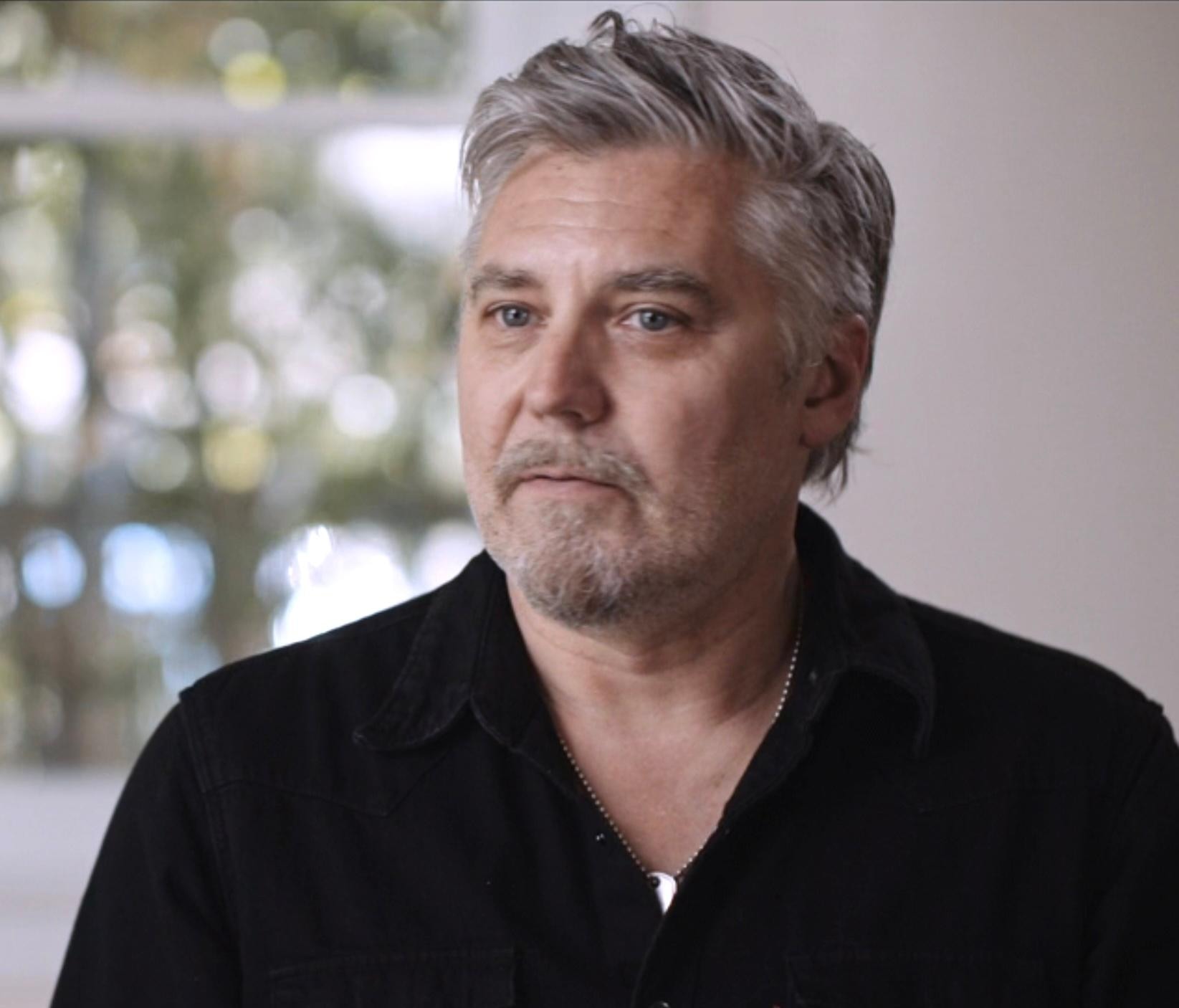
Paul D'Amour
 United States
Member of Ministry
Birthday
May 12, 1967
Birth Sign
Taurus
Birthplace
Spokane, Washington, U.S.
Age
59 years old
About
Paul D'Amour is an American musician best known as the original bassist for Tool. His aggressive picked tone on a Chris Squire Signature Rickenbacker 4001CS defined the sound of Tool's early output, most notably on their debut full-length Undertow. Since March 2019, he has been the bassist for industrial metal titans Ministry, stepping into a band whose frontman once handed him a bottle of LSD-laced whiskey at Lollapalooza. D'Amour's career spans over three decades, from alt-metal's foundational years to the industrial underground, yet he maintains a remarkably low public profile. Fans revere him as a crucial architect of Tool's early identity, and his return to a major touring act with Ministry has introduced his playing to a new generation.
Early Life & Background
D'Amour grew up in Spokane, Washington, where he started playing guitar as a teenager. He moved to Los Angeles hoping to break into the film industry, taking jobs building movie sets and working art departments on music videos and commercials. Through a mutual interest in film and heavy music, he met guitarist Adam Jones. Jones was assembling a new band and invited D'Amour to join. That project became Tool. Before the band took off, D'Amour supported himself with those film-industry gigs while rehearsing and writing with the group. He also briefly lived with counterculture icon Timothy Leary, an experience that Al Jourgensen later recalled.
Career Growth
D'Amour became Tool's bassist in 1990. The band released their debut EP Opiate in 1992, followed by the breakthrough album Undertow in 1993. His driving, pick-style bass lines were central to both records. At Lollapalooza 1992, D'Amour and Maynard James Keenan drank whiskey spiked with LSD given to them by Ministry's Al Jourgensen, Jourgensen later said D'Amour thanked him, claiming it "really got Tool going." In 1995, frustrated with the stalled writing for Ænima, D'Amour left Tool. He had already written and recorded half the album; his replacement Justin Chancellor re-recorded his parts. D'Amour personally coached Chancellor on the band's songs and pedal setup. After Tool, he joined Replicants (1996) and co-founded Lusk, releasing Free Mars in 1997. He later formed Lesser Key. In March 2019, D'Amour joined Ministry as bassist, debuting live that June. He continues to tour and record with the band as of 2026.
Career Timeline
Public Image & Style
D'Amour is known for his aggressive, picked bass technique, which gave Tool's early albums a distinctive chugging sound. Media portrayals often frame him as the "original bassist for Tool," and interviews reveal a thoughtful, articulate musician willing to correct the record about his contributions. Among Tool fans, he is revered as a foundational member, with ongoing debate about his versus Justin Chancellor's role on Ænima. D'Amour maintains a minimal public footprint, no verified social media accounts, no solo magazine covers, and rare interviews. This low profile adds to his mystique, making each appearance or statement an event in the fan community.
Fame & Fandom
Paul D'Amour commands a dedicated following that spans the alt-metal and industrial underground, yet his global footprint remains distinct from the chart-topping superstars who dominate headlines. He operates with a cult-like reverence among fans of progressive and industrial metal, respected for his foundational role in Tool's early sound and his recent tenure with Ministry. Despite this deep connection within specific music communities, iFANN has evaluated his profile and determined he does not currently hold a placement in the published Global Top 1,000 rankings or any Top-100 scope list. The data indicates an EVALUATED_UNRANKED status, meaning while his career is documented and his influence acknowledged, he has not crossed the threshold into the current tier of worldwide celebrity visibility tracked by the engine. There is no formal name documented for his fanbase; supporters are known simply as devotees of his work rather than members of an organized group with a specific moniker. While Ministry announced a farewell tour and final album titled Hate To Go (Take Out Or Delivery) in July 2026, generating significant buzz within the industrial scene, these events have not translated into a unique legendary fandom identity centered solely on D'Amour himself. His audience consists largely of long-time listeners who track his transition from Rickenbacker-driven bass lines to industrial rhythms, but no viral campaigns, birthday billboards, or official streaming initiatives bear his personal stamp. The lack of a named fandom reflects his choice to maintain a low public profile throughout a thirty-year career, allowing his music to speak without the noise of a manufactured celebrity ecosystem.
Interesting Facts and Legends
Before joining Tool, Paul D'Amour originally played guitar, not bass, before switching instruments to fit the band's needs. His signature instrument is a Chris Squire Signature Rickenbacker 4001CS, the exact same model used by Yes's Chris Squire. A notorious incident occurred at Lollapalooza when D'Amour and Maynard James Keenan accidentally consumed LSD-laced whiskey handed to them by Al Jourgensen. According to Jourgensen, D'Amour once lived briefly with Timothy Leary during his formative years. He maintains no active social media presence, preferring privacy over digital engagement. D'Amour has stated that Undertow remains his favorite Tool album to play on. In interviews from 2024, he discussed his exit from Tool, citing frustration with the band's prolonged songwriting process for Ænima, noting it took them a year to write just five songs. He remarked that you do not need to spend ten years to make an album, highlighting his perspective on creative efficiency compared to his former bandmates.
Notable Quotes
“People don't always realize that I worked on that record. You can hear a big transformation of the sound of the band there and they give Justin credit for bringing that to the band. We already wrote and recorded half of that album before I left the band. He just re-recorded my parts verbatim.”
“I wanted him to be very successful because he seemed pretty nervous.”
Family & Personal Life
Notable Connections
Paul D'Amour is closely associated with Tool, where he was the original bassist alongside Maynard James Keenan, Adam Jones, and Danny Carey. He personally coached Justin Chancellor, his replacement. Since 2019, he has been a member of Ministry, working directly with Al Jourgensen. He also collaborated with Chris Pitman in Lusk and with members of Failure in Replicants.
Relationships & Dating History
Salary, Net Worth In 2026
$4 Million
iFANN Editorial Team estimate
Per iFANN's editorial analysis, Paul D'Amour's net worth in 2026 is estimated at $4 Million. His income streams are diversified across decades of musical output and recent touring commitments. As a co-writer on Tool's Opiate and Undertow, he receives ongoing royalties, with Undertow having sold over 3 million copies in the U.S. alone. Although he departed before the album's completion, his contributions to Ænima may yield partial royalties. Since March 2019, D'Amour earns a salary as Ministry's touring and recording bassist. Earlier projects like Lusk and Replicants generated modest revenue, and his work in the film industry provided early income. Royalties from Tool's catalog remain his most significant asset, though exact figures remain private.
Awards & Accolades
Known For
Original bassist for Tool
1990 · Bassist
Bassist for Ministry
2019 · Bassist
Co-founder of Lusk
1997 · Bassist/Guitarist
Keywords
Sources
Quick Facts
- Profession
- bassist, musician, guitarist
- Born
- +1967-05-12
- Birthplace
- Spokane, Washington, U.S.
- Gender
- Male
- Birth Sign
- Taurus
Frequently Asked Questions
Why did Paul D'Amour leave Tool?
Did Paul D'Amour play on Ænima?
Is Paul D'Amour still in Ministry?
What bass does Paul D'Amour play?
How old is Paul D'Amour?
Similar People
Join the community
fans discussing