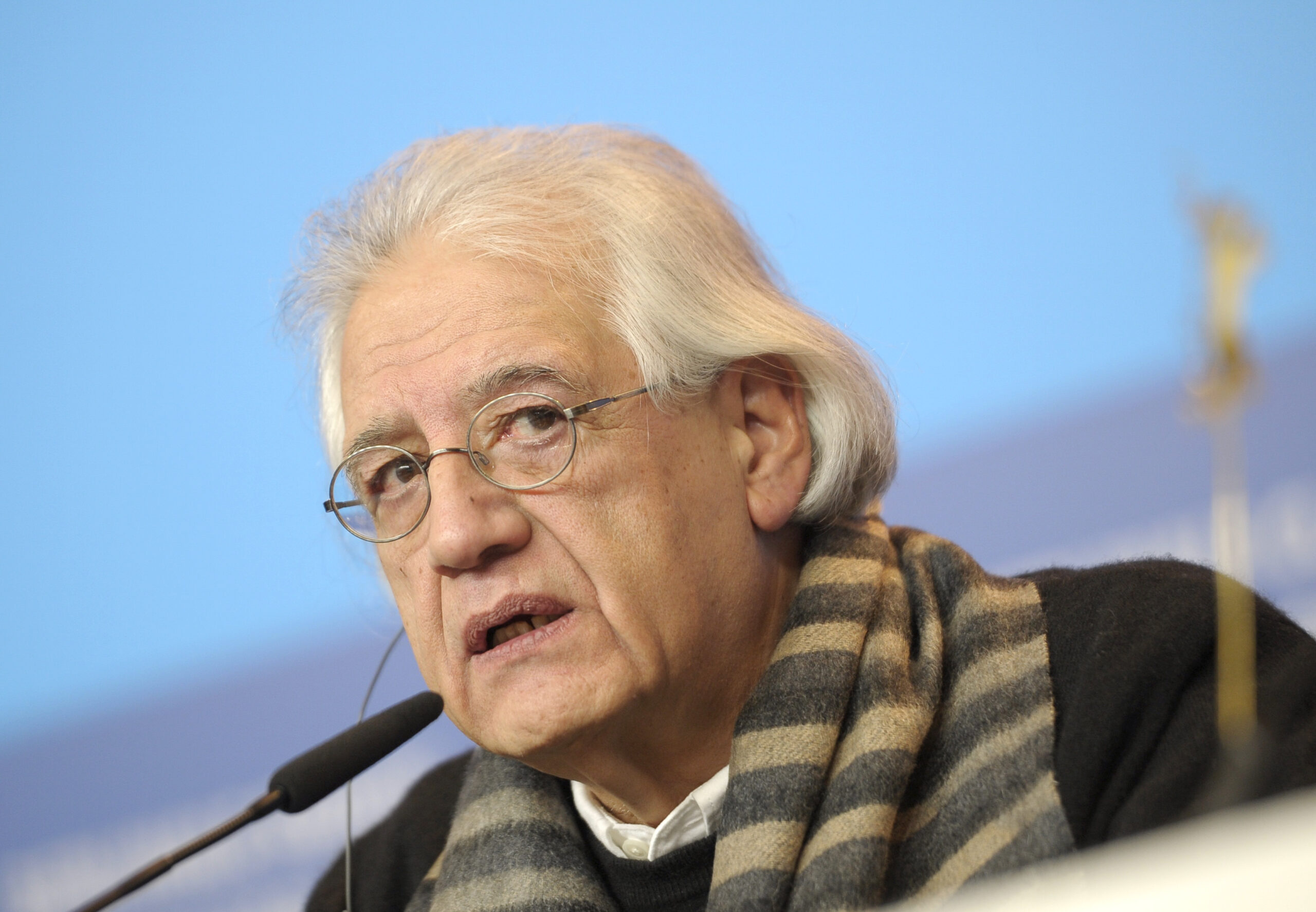
Patricio Guzmán
 Chile
Chilefilm director•film producer•film editor
Birthday
August 11, 1941
Birth Sign
Leo
Birthplace
Santiago, Chile
Age
85 years old
About
Patricio Guzmán Lozanes is a Chilean documentary filmmaker whose work has shaped how the world sees his country's turbulent history. He is best known for The Battle of Chile trilogy (1975–1979), a landmark chronicle of the socialist government of Salvador Allende and the 1973 coup that ended it. More recently, he completed another trilogy, Nostalgia for the Light (2010), The Pearl Button (2015), and The Cordillera of Dreams (2019), which explores memory, geography, and the lingering scars of dictatorship. Over a career spanning more than five decades, Guzmán has directed over 20 films, each marked by a poetic yet unflinching eye.
Today, at 84, Guzmán remains an active voice in political and historical filmmaking. He continues to teach and mentor emerging documentarians in Santiago, where he has returned after decades of exile. His films have earned numerous international awards, including a European Film Award and a Golden Shell at San Sebastián. For cinephiles and activists alike, Guzmán is a touchstone for how cinema can bear witness to history and keep memory alive.
Early Life & Background
Patricio Guzmán Lozanes was born on August 11, 1941, in Santiago, Chile, into a middle-class family. Growing up in the capital, he developed an early interest in culture and politics, a combination that would define his life's work. He initially enrolled at the University of Chile to study law, but the pull of cinema proved stronger. He switched to the Instituto de Cine at the same university, where he began to hone his craft.
His early career included work as a script editor and assistant director. In the late 1960s, he directed his first feature-length documentary, Chile, la memoria obstinada (1968), a title that would echo through his later work. During this period, he collaborated on projects supporting the Popular Unity government, which brought Salvador Allende to power in 1970. These formative experiences placed him at the heart of a politically charged moment in Chilean history, setting the stage for his breakthrough.
Career Growth
Guzmán's breakthrough came in 1973 when he began filming The Battle of Chile, a three-part documentary capturing the rise of Salvador Allende and the military coup led by General Augusto Pinochet. Filming under extreme danger, he managed to smuggle the footage out of the country after the coup, completing the edit in Cuba. The trilogy, The Insurrection of the Bourgeoisie (1975), The Coup d'Etat (1976), and Popular Power (1979), established him as a global authority on political documentary.
Following the coup, Guzmán lived in exile for over two decades, primarily in France, while continuing to produce films that explored memory, trauma, and the lingering effects of dictatorship. His later trilogy of memory, Nostalgia for the Light (2010), The Pearl Button (2015), and The Cordillera of Dreams (2019), solidified his reputation as a master of the genre, blending personal narrative with national history. In 2016, he received the Honorary Goya Award, and in 2023, retrospectives celebrated 50 years of his revolutionary cinema. As of 2026, he continues to teach and mentor emerging documentarians in Santiago.
Career Timeline
Public Image & Style
Guzmán is often portrayed in media as a voice of conscience for Latin America, a serious, intellectual artist dedicated to social justice and historical truth. His signature aesthetic is characterized by slow-paced, contemplative visuals and a deep connection to the Chilean landscape. He avoids sensationalism, favoring a poetic, essayistic approach that invites reflection.
His fandom is niche but devoted, consisting largely of film scholars, activists, and cinephiles who view his films as essential educational tools. He maintains a minimal social media presence, relying instead on official websites and institutional platforms. Audiences connect with his unwavering commitment to memory and his ability to find beauty in the midst of trauma.
Fame & Fandom (iFAMOUS Rankings)
Patricio Guzmán stands outside the Global Top 1,000 in iFANN's August 2026 evaluation, holding no current placement on the published rankings. The iFANN Global Fame Engine has assessed his profile, yet he does not occupy a numbered slot in the scope lists. His audience defies the typical metrics of pop culture stardom; there is no formal fan club name or organized collective moniker documented for his supporters. Instead of a mob of adoring fans driving chart pushes or birthday billboards, Guzmán commands a devoted following of film scholars, activists, and cinephiles who treat his work as essential historical testimony rather than entertainment. These viewers engage through intellectual discourse and post-screening debates about exile, trauma, and revolution, rather than ritualistic campaigns or viral moments. The most significant interaction remains his role as a witness and archivist who preserved the memory of the Salvador Allende era after fleeing Chile in 1973. His legacy is built on the verified survival of his footage during the Pinochet dictatorship and his decades-long project of using cinema to excavate the collective memory of Chile. While he lacks the crowd-disrupting presence of a pop icon, his films like The Battle of Chile and Nostalgia for the Light spark intense national debates and academic study that far outweigh fleeting celebrity trends.
Interesting Facts and Legends
Patricio Guzmán possesses a deep fascination with astronomy and geology, often weaving these elements into his cinematic tapestries. In Nostalgia for the Light, he juxtaposes astronomers searching the cosmos with women searching the Atacama Desert for the remains of disappeared loved ones. He cites the Atacama Desert as his favorite place in Chile, noting how the clear sky reveals the universe in stunning detail. Known for a meticulous editing process, Guzmán frequently spends months refining a single cut. French filmmaker Chris Marker stands out as a major influence on his work, despite Guzmán's serious subject matter carrying a dry sense of humor that occasionally surfaces in interviews. A foundational legend of his career involves the survival of The Battle of Chile; filming the overthrow of a democratically elected president, Guzmán and his crew were forced into exile in 1973, smuggling canisters of footage hidden in the ground to prevent their destruction by the regime. Later works generated their own mythology, particularly The Pearl Button, which introduced the iconic story of two buttons found in the water, one pearl, one metal, symbolizing the ocean's role as a keeper of memory for victims thrown into the sea. His sustained commitment to documenting half a century of history earned him a retrospective titled Patricio Guzmán, Dreaming of Utopia: 50 Years of Revolutionary Hope and Memory.
Notable Quotes
“I think that cinema is a way of thinking about the world.”
“Memory is the only way to avoid repeating the mistakes of the past.”
Family & Personal Life
Guzmán was born into a middle-class family in Santiago. Details about his parents and siblings are scarce in public records, but his upbringing in the capital city exposed him to the cultural and political currents that would shape his work.
He has been married twice. His first wife was Renate Sachse, a German filmmaker and producer who collaborated with him during his years in exile. His second wife is Pamela Urzúa, a Chilean journalist and writer. There are no confirmed public records of biological children from either union, though some accounts suggest he may have stepchildren through his partners. As of 2026, Guzmán lives in Santiago, having returned from exile, and keeps his private life largely out of the public eye.
Notable Connections
Guzmán has collaborated with a small circle of trusted filmmakers. Cinematographer Rodrigo Castillo and editor Jean-Pierre Lefèvre have worked with him across multiple projects, helping to shape his distinctive visual and narrative style. He also maintains close ties with distributor Icarus Films and Arte France Cinéma, which have brought his work to international audiences.
Relationships & Dating History
Patricio Guzmán has been married twice, with both relationships intertwined with his professional life. His first marriage was to Renate Sachse, a German filmmaker and producer who worked closely with him during his years in exile. They collaborated on several projects before their divorce, though specific dates are not widely documented.
Following that, he married Pamela Urzúa, a Chilean journalist and writer. The couple has kept their personal life private, and there are no confirmed reports of children from either union. As of 2026, Guzmán is reported to be living in Santiago, and recent interviews do not confirm a new romantic relationship, suggesting he may be single or keeping his private life strictly away from the public eye.
- DivorcedRenate SachseGerman filmmaker and producer; collaborated during exile years.
- MarriedPamela UrzúaChilean journalist and writer; kept private life out of spotlight.
Salary, Net Worth In 2026
$4 Million
iFANN Editorial Team estimate
As of 2026, Patricio Guzmán's net worth is estimated at $4 million per iFANN's editorial analysis. This figure stems from a career spanning five decades in documentary filmmaking. Unlike pop stars with massive endorsement deals, his wealth derives primarily from film production, distribution royalties, teaching engagements, and speaking fees. Specific figures per project are rarely disclosed, but his long-standing relationships with distributors like Icarus Films and Arte France Cinéma have provided steady income. Guzmán's real estate holdings are believed to include a home in Santiago and possibly a residence in France, though exact valuations are not public. There are no major business ventures or investment portfolios widely reported. The figure reflects cumulative royalties and international licensing over the years, and while some estimates range higher.
Awards Won (18)
Guzmán's work has earned him numerous awards, reflecting his impact on the documentary genre. He won the European Film Award for Best Documentary for Nostalgia for the Light in 2010, and the Golden Shell at the San Sebastián International Film Festival for The Pearl Button in 2015. His 2019 film The Cordillera of Dreams took the Critics' Week Grand Prize at Cannes. He has also received lifetime achievement honors, including the Honorary Goya Award and the Silver Condor Award for Lifetime Achievement.
2019 · Golden Eye
The Cordillera of Dreams
2010 · Best Documentary
Nostalgia for the Light
Known For
The Battle of Chile
1975 · Director
Nostalgia for the Light
2010 · Director
The Pearl Button
2015 · Director
The Cordillera of Dreams
2019 · Director
Keywords
Sources
Quick Facts
- Profession
- film director, film producer, film editor
- Born
- August 11, 1941
- Birthplace
- Santiago, Chile
- Gender
- Male
- Spouse
- Pamela Urzúa, Renate Sachse
- Birth Sign
- Leo
Personal Details
- Full Name
- Patricio Guzmán Lozanes
- Spouse
- Pamela Urzúa, Renate Sachse
- Education
- University of Chile (law, film)
Filmography
20
Total
20
Film
0
TV
Frequently Asked Questions
How old is Patricio Guzmán?
What is Patricio Guzmán most famous for?
Is Patricio Guzmán still alive?
Where did Patricio Guzmán go to school?
Does Patricio Guzmán have children?
Join the community
fans discussing