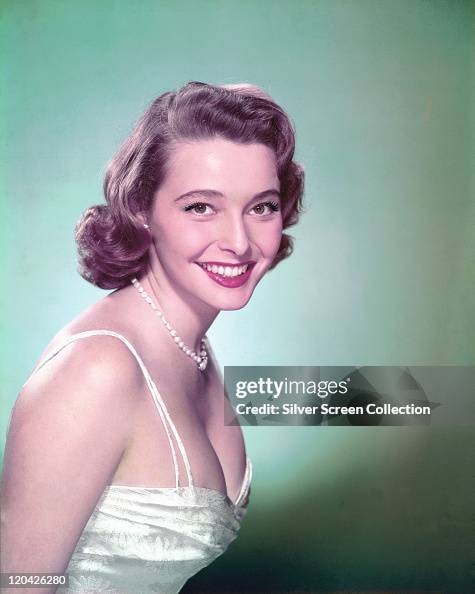
Patricia Neal
 United States
television actor•film actor•stage actor
Also known as: Patsy Louise Neal
Birthday
January 20, 1926
Birth Sign
Capricorn
Birthplace
Packard, Kentucky, USA
Age
Died at 84
Height
5 ft 8 in (173 cm)
About
Patricia Neal, born Patsy Louise Neal on January 20, 1926, in Packard, Kentucky, was an American actress who commanded the stage and screen with a fierce, natural intensity. Over a career spanning five decades, she appeared in more than 40 films and numerous television productions, earning an Academy Award, a Tony Award, and two BAFTA Awards. Neal's breakthrough came as the stoic widow Helen Benson in the sci-fi classic The Day the Earth Stood Still (1951). She then delivered a scorching turn as radio journalist Marcia Jeffries in A Face in the Crowd (1957) and brought brittle elegance to the wealthy Emily Eustace Failenson in Breakfast at Tiffany's (1961). Her defining role arrived in 1963 as Alma, the weathered housekeeper in Hud, a performance that won her the Academy Award for Best Actress. Neal also originated the role of Olivia Walton in the 1971 television film The Homecoming: A Christmas Story, though the part was recast for the subsequent series The Waltons. Her life offscreen was equally dramatic: she suffered a series of strokes in 1965 that left her partially paralyzed and unable to speak, but through grueling rehabilitation, she returned to acting within three years. She later received three Primetime Emmy Award nominations. Neal died on August 8, 2010, at age 84, leaving behind a legacy of uncompromising performances.
Early Life & Background
Neal grew up in Knoxville, Tennessee, after her family moved from Kentucky. Her father managed a coal company, providing a middle-class upbringing. At Knoxville High School, she discovered acting and decided to pursue it seriously. She won a scholarship to Northwestern University, where drama professor Alvina Krause recognized her raw talent and urged her to consider a stage career. Neal left college in 1946 to study at the American Theatre Wing in New York City. Her first professional role came later that year in a Broadway production of The Voice of the Turtle. The real breakthrough happened in 1947 when she originated the role of Regina Giddens in Lillian Hellman's Another Part of the Forest, a performance that earned her a Tony Award for Best Featured Actress in a Play.
Career Growth
Neal made her film debut in 1949 with John Loves Mary and The Fountainhead, where she played Dominique Francon opposite Gary Cooper. Her first major film role came in 1951 as Helen Benson in The Day the Earth Stood Still, a science fiction classic that showcased her ability to convey quiet strength. She continued with dramatic roles in A Face in the Crowd (1957) and Breakfast at Tiffany's (1961). In 1963, she won the Academy Award for Best Actress for her portrayal of Alma Brown in Hud, alongside Paul Newman. The same year, she also won a BAFTA Award and a Golden Globe for the role. After suffering a series of strokes in 1965, Neal underwent intensive rehabilitation and returned to acting in 1968 with The Subject Was Roses. In 1971, she starred as Olivia Walton in the television film The Homecoming: A Christmas Story, which led to the series The Waltons (though the role was recast). She earned three Primetime Emmy Award nominations during the 1970s for The Homecoming, Baxter!, and The Bastard. Her later film appearances included Cookie's Fortune (1999) and The Passage (2006).
Career Timeline
Public Image & Style
Neal was known for her intense, naturalistic acting style and a distinctive Southern drawl. She often played strong-willed, independent women, a persona that carried over into her public image. The media portrayed her as a resilient survivor, particularly after her stroke, which was the subject of the 1981 television movie The Patricia Neal Story starring Glenda Jackson. Fan accounts are respectful and archival-focused, sharing photos and quotes. Annual screenings of Hud and The Day the Earth Stood Still at film festivals keep her legacy alive.
Fame & Fandom (iFAMOUS Rankings)
Patricia Neal stands outside the current global hierarchy of living and deceased celebrities, holding no placement in iFANN's published rankings. The Global Fame Engine evaluated her profile in August 2026 but determined she does not currently occupy a spot within the Top 1,000 or any specialized scope list. This absence reflects a legacy sustained by institutional memory rather than active chart competition. Her name carries weight in cinema history books and film school curricula, yet it lacks the real-time digital velocity required for a ranked position today. While modern icons battle for daily visibility, Neal's cultural footprint remains static and revered, anchored by specific masterpieces rather than trending metrics. The audience surrounding her work is vast but unorganized. No formal moniker exists to identify her followers, nor do records show organized campaigns, birthday billboards, or fan-funded projects dedicated to her memory. Unlike contemporary stars who cultivate ritualistic communities with inside jokes and collective advocacy, Neal's admirers operate through archival respect and retrospective appreciation. Her fans are found in the quiet corners of classic film societies and academic archives rather than on social media feeds. They honor her resilience and her performances without the need for a unified brand or a shared hashtag. The lack of a named fandom underscores a shift in how celebrity is consumed; where once crowds gathered for autographs, now their devotion manifests in the enduring popularity of screenings and the preservation of her biography.
Interesting Facts and Legends
Neal smoked heavily throughout most of her life, a habit that likely contributed to the devastating strokes that later defined her public narrative. She maintained a close friendship with actress Joanne Woodward and director Paul Newman, often appearing alongside him in social circles. Tragedy struck when her daughter Olivia Dahl died of measles encephalitis at age seven, an event that deeply influenced Roald Dahl to write The BFG. Her recovery from a massive stroke was considered remarkable; she relearned to speak and walk within three years after entering a twenty-one-day coma. Neal holds the distinction of being the first actress to win both a Tony Award and an Oscar for dramatic roles. A registered Democrat, she actively campaigned for Adlai Stevenson in 1956. The most enduring legend of her life involves her survival against the odds during a film production. After suffering three massive strokes, doctors gave her only a ten percent chance of survival. Facing the prospect of losing her speech and ability to walk, she fought back to reclaim her life and career. This triumph over aphasia and hemiplegia became a source of immense public admiration. Another iconic moment centers on her performance as the housekeeper in Hud, opposite Paul Newman. This role earned her the Academy Award for Best Actress and is frequently cited as the pinnacle of her acting prowess before her health crisis altered her trajectory forever.
Notable Quotes
“I was never a beauty. I was just a good actress.”
“The most important thing is to be yourself. If you are an actress, you must be a truthful actress.”
“After my stroke, I had to learn everything over again. I had to learn to talk, to walk, to live. It was like being born again.”
Family & Personal Life
Neal's parents were William Burdette Neal, a coal company manager, and Eura Petrey Neal. She had no siblings. She married British author Roald Dahl on July 2, 1953, and they had five children: Olivia (born 1955, died 1962 from measles encephalitis), Tessa (born 1957), Theo (born 1960, suffered a brain injury as an infant), Ophelia (born 1964), and Lucy (born 1965). The marriage ended in divorce in 1983 after Dahl's affair with Felicity Crosland. Neal never remarried. After her death, her estate has been managed by her children, particularly Lucy Dahl and Tessa Dahl.
Notable Connections
Neal was married to British author Roald Dahl from 1953 to 1983. She had a highly publicized affair with actor Gary Cooper during the filming of The Fountainhead (1949). She co-starred with Paul Newman in Hud (1963) and was a close friend of Newman and his wife Joanne Woodward. Playwright Lillian Hellman wrote the play Another Part of the Forest for her. She also worked with Andy Griffith in A Face in the Crowd (1957) and Audrey Hepburn in Breakfast at Tiffany's (1961).
Relationships & Dating History
Neal had a highly publicized affair with married co-star Gary Cooper during the filming of The Fountainhead in 1949. The relationship ended when Cooper's wife learned of it, nearly derailing Neal's early career. In 1953, she married British author Roald Dahl, with whom she had five children. The marriage was strained after Neal's stroke in 1965 and Dahl's affair with Felicity Crosland. They divorced in 1983. After the divorce, Neal and Dahl maintained a cordial relationship until his death in 1990. Neal never remarried and had no further publicly reported romantic partners. As of 2026, Patricia Neal is deceased and was not in a relationship at the time of her death.
- RumouredGary Cooper1949 - 1950Highly publicized affair during filming of The Fountainhead; ended when Cooper's wife learned of it.
- MarriedRoald Dahl1953 - 1983Married on July 2, 1953; had five children; divorced in 1983 after Dahl's affair.
Death & Aftermath
Died
August 8, 2010 (aged 84)
Death Place
New York City
Cause of Death
Reported as complications from prior strokes
Patricia Neal, the Academy Award and Tony Award-winning American actress known for her roles in The Day the Earth Stood Still, Hud, and A Face in a Crowd, died on August 8, 2010, at the age of 84. She passed away at her home in New York City due to complications from a series of strokes she had suffered decades earlier. The most severe incident occurred in 1965 while filming Hud, leaving her in a coma for 21 days and causing permanent physical disabilities including speech impairment and partial paralysis., the New York Times obituary confirmed the death was due to natural causes related to her long-term health struggles. There are no disputed accounts regarding the date, place, or cause of her death; all major biographical sources and news outlets from the time consistently report these facts.
The Academy of Motion Picture Arts and Sciences honored her legacy with tributes highlighting her resilience, while major publications like The New York Times published detailed obituaries that cemented her status as an Oscar winner who overcame significant personal tragedy. Her final public appearance occurred on March 31, 2005, when she attended the opening night of the play Doubt in New York City. Her funeral or memorial service was held privately, though specific details regarding the exact date, location, and attendees were not made public. It is confirmed that she was cremated, but the specific location of her ashes remains undocumented in public records.
Posthumously, her estate continued under family management with no new films or books released after her death. Her legacy persists through the enduring availability of classic works like Hud, which remain frequently cited in discussions about strong female characters and Hollywood history. She remains inducted into the Hollywood Walk of Fame and is recognized for her humanitarian work and advocacy for stroke survivors. Her story of recovery inspired many medical and artistic programs during her lifetime, ensuring her impact endures beyond her final years.
Net Worth (Estate Value)
$10 Million
iFANN Editorial Team estimate
Per iFANN's editorial analysis, Patricia Neal's estate was valued at approximately $10 million at the time of her death in 2010. The estate remains under the management of her children, particularly Lucy Dahl and Tessa Dahl. Major revenue streams continue to flow from royalties generated by films such as Hud, The Day the Earth Stood Still, and Breakfast at Tiffany's. Additional income derives from licensing deals securing her image and likeness for various commercial uses. Residual payments from her television appearances and book royalties from her autobiography As I Am (1988) also contribute significantly to the family wealth. Posthumous earnings are estimated at $200,000 to $500,000 annually. As of 2026, the estate's value remains stable, supported by ongoing income from classic film distributions and licensing agreements.
Awards Won (7)
Neal won the Academy Award for Best Actress for Hud (1963), along with a BAFTA Award, a Golden Globe, and New York Film Critics Circle Award for the same role. She also won a Tony Award for Best Featured Actress in a Play for Another Part of the Forest (1947). She received three Primetime Emmy Award nominations during her career.
1964 · Best Actress
Hud
1964 · Best Actress in a Motion Picture – Drama
Hud
Known For
Hud
1963 · Alma Brown
The Day the Earth Stood Still
1951 · Helen Benson
A Face in the Crowd
1957 · Marcia Jeffries
Breakfast at Tiffany's
1961 · Emily Eustace Failenson
The Homecoming: A Christmas Story
1971 · Olivia Walton
Keywords
Quick Facts
- Profession
- television actor, film actor, stage actor
- Born
- +1926-01-20
- Birthplace
- Packard, Kentucky, USA
- Died
- +2010-08-08
- Death Place
- Edgartown, Massachusetts, USA
- Gender
- Female
- Spouse
- Roald Dahl
- Birth Sign
- Capricorn
Personal Details
- Full Name
- Patsy Louise Neal
- Height
- 5 ft 8 in (173 cm)
- Spouse
- Roald Dahl
- Children
- Olivia Dahl (deceased), Tessa Dahl, Theo Dahl, Ophelia Dahl, Lucy Dahl
- Education
- Northwestern University (studied drama, left in 1946)
Filmography
45
Total
25
Film
20
TV
Frequently Asked Questions
How did Patricia Neal die?
Did Patricia Neal remarry after Roald Dahl?
How many children did Patricia Neal have?
What was Patricia Neal's net worth?
Did Patricia Neal win an Oscar?
Similar People
Join the community
fans discussing