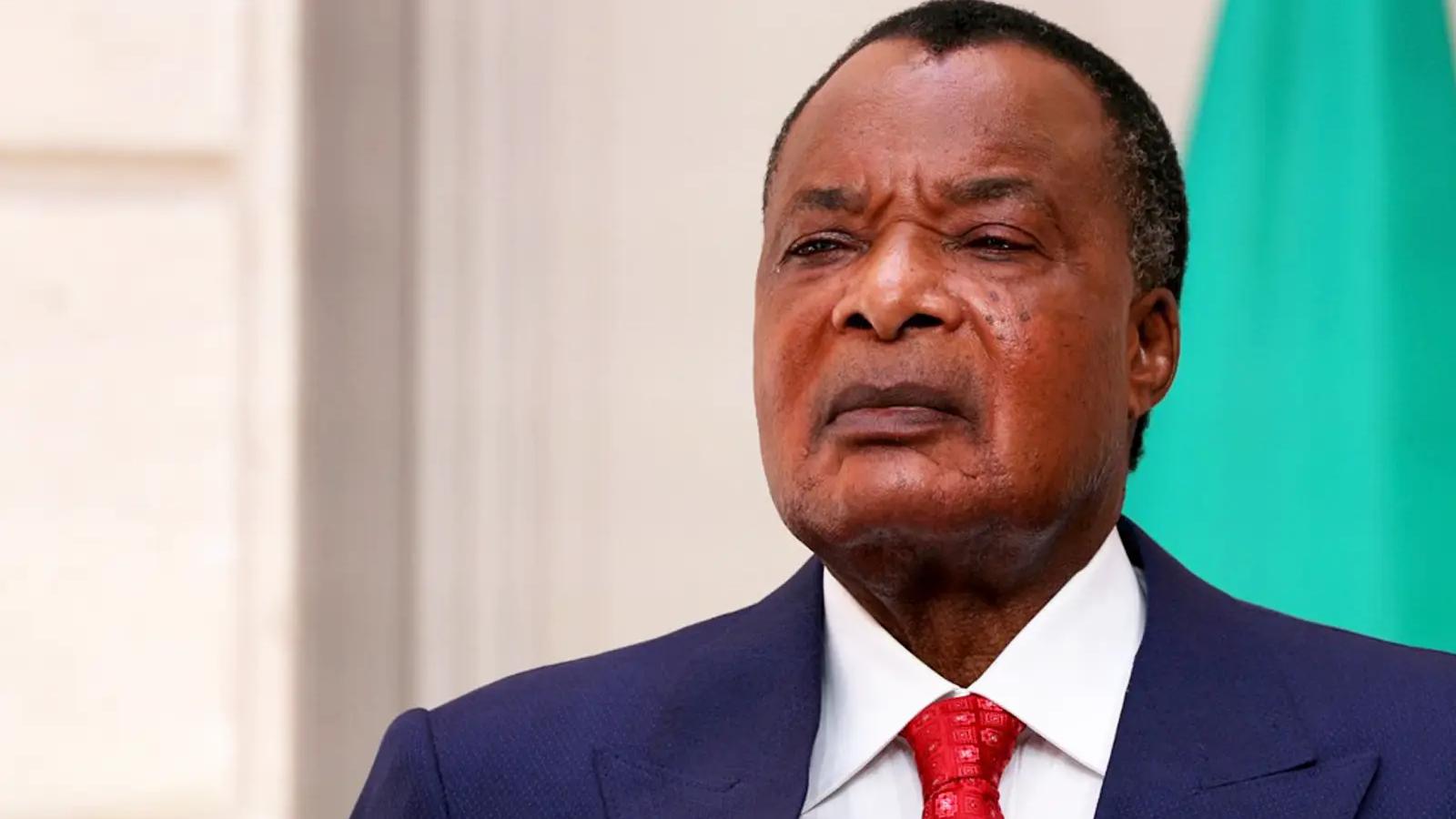
Pascal Lissouba
 Republic of the Congo
politician•academician•university teacher
Birthday
November 15, 1931
Birth Sign
Scorpio
Birthplace
Tsiguindi, French Congo
Age
Died at 88
About
Pascal Lissouba was a Congolese politician, academician, and the first democratically elected President of the Republic of the Congo. Born on November 15, 1931, in Tsiguindi within the Grand Niari region, he spent his early life as a scholar before entering the political arena. Before taking the helm of his nation, he worked as a university teacher and researcher, building a reputation for intellectual rigor that would later define his public service. His journey from academic to head of state culminated when he became the first democratically elected President of the Republic of the Congo. He held this office from August 31, 1992, until October 25, 1997, marking a significant shift toward multiparty politics in the region.
Early Life & Background
Pascal Lissouba was born into a family that valued education, which set the trajectory for his early career. Growing up in Tsiguindi, a small village in the Grand Niari region of what was then French Congo, he pursued rigorous academic studies rather than immediate political involvement. This path led him to establish himself as a serious intellectual long before he ever held public office. He worked as a university teacher and researcher, specifically noted as a professor of genetics. This academic background provided him with a unique reputation for intellectual rigor that distinguished him from many of his contemporaries who came from military or purely political backgrounds. He began his political career during the turbulent post-independence era of the Congo, eventually serving as Prime Minister from December 24, 1963, to April 15, 1966. His early career was marked by a commitment to democratic principles, which led to his imprisonment under the single-party rule of the People's Movement of the Revolution (MPR) before multi-party democracy was introduced in 1991.
Career Growth
Lissouba's career is defined by his pivotal role in transitioning the Republic of the Congo from a one-party state to a multiparty democracy. In 1963, he served as Prime Minister under President Alphonse Massamba-Débat. Following the coup that brought Denis Sassou Nguesso to power in 1966, Lissouba was marginalized and spent several years in prison or exile, enduring the repressive single-party regime while maintaining his stance against authoritarianism. When multi-party democracy was reintroduced in 1991, Lissouba founded the Pan-African Union for Social Democracy (UADS) party. In a historic election in August 1992, he defeated Bernard Kolélas and Denis Sassou Nguesso to become the first democratically elected President of the Republic of the Congo. This victory marked a significant shift toward multiparty politics in the region. His presidency from 1992 to 1997 was characterized by efforts to stabilize the country and implement democratic reforms. However, it ended abruptly during the civil war of 1997. In October 1997, the conflict escalated, leading to his overthrow by Denis Sassou Nguesso. Lissouba was forced into exile, reshaping the country's political landscape for decades. Despite his removal, he remained a central figure in Congolese history, continuing to advocate for democracy until his death.
Career Timeline
Public Image & Style
Lissouba is portrayed in the media as a 'scholar-politician,' a man of intellect and principle who prioritized democratic ideals over personal power. His image is one of dignity and tragic heroism, rising to the peak of democracy only to be toppled by military force, yet remaining a moral compass for the opposition. His academic background as a genetics professor added a layer of uniqueness to his public persona, setting him apart from the typical military strongmen of the era.
Fame & Fandom (iFAMOUS Rankings)
iFANN has not yet collected fame data for Pascal Lissouba, so he is not currently ranked in the global fame listings. He is not featured on the September 2026 iFAMOUS Rankings flagship list. Instead of a pop-culture fandom, he commands a base of political supporters and admirers, particularly among members of the UADS party and those who champion democratic governance in Central Africa. Fan-like behavior manifests in political rallies, commemorative events, and the continued advocacy for his policies by opposition groups. His legacy is kept alive through these organized political efforts rather than through social media trends or merchandise.
Interesting Facts and Legends
Before becoming a politician, Lissouba was a professor of genetics, a detail that distinguishes him from many other African heads of state who came from military or purely political backgrounds. In the 1992 election, he defeated two future rivals simultaneously: Bernard Kolélas and Denis Sassou Nguesso, a rare feat in African politics. He spent several years in prison under the MPR regime, a period that solidified his resolve for democracy. After his 1997 overthrow, he lived in exile, unable to return to his home country for many years. The widely retold story of Lissouba is his victory in the 1992 elections, which is viewed as the 'moment of hope' for the Congo. It symbolized the end of the MPR's 27-year dictatorship. This event is the cornerstone of his legend.
Family & Personal Life
Pascal Lissouba was married to Jocelyne Lissouba. She is frequently cited alongside him in official tributes and biographical accounts as his spouse throughout his life. There is no public record of prior marriages, divorces, or other romantic relationships in the available sources; the historical narrative focuses exclusively on his marriage to Jocelyne. As a former head of state, their relationship was conducted largely behind the scenes of public political life. While specific details regarding children are not extensively detailed in the provided search results, the existence of a 'family' is implied in the context of his legacy, though no specific names or numbers of offspring are confirmed in the text snippets.
Notable Connections
Relationships & Dating History
Pascal Lissouba was married to Jocelyne Lissouba. She is frequently cited alongside him in official tributes and biographical accounts as his spouse throughout his life. There is no public record of prior marriages, divorces, or other romantic relationships in the available sources; the historical narrative focuses exclusively on his marriage to Jocelyne. As a former head of state, their relationship was conducted largely behind the scenes of public political life. They remained together until his death in 2020. At the time of his passing, he was widowed, having lost his wife after her own passing or separation, though the exact timing of her death relative to his is not specified in the primary records. Their union was a constant presence during his rise from academia to the presidency and his subsequent exile.
- MarriedJocelyne Lissouba? - 2020Spouse throughout his life until his death.
Death & Aftermath
Died
August 24, 2020 (aged 88)
Death Place
Perpignan, France
Cause of Death
Natural causes associated with old age
Pascal Lissouba passed away on Monday, August 24, 2020, in Perpignan, France, where he had been receiving medical care for some time. He was 88 years old at the time of his death. The cause was reported as natural causes linked to old age, a conclusion accepted by officials and family without dispute regarding the circumstances or location. His passing marked the end of an era for the Republic of the Congo, prompting immediate tributes from political peers and institutions who celebrated his dual identity as a rigorous geneticist and the nation's first democratically elected president.
The Pan-African Union for Social Democracy (UADS) declared his death a national loss, honoring him as the pioneer who secured the first democratic victory in the country's history. Tributes poured in from across the political spectrum, acknowledging his role in breaking the cycle of single-party rule that had dominated the region since independence. Following standard protocol for former heads of state, his body was repatriated to the Republic of the Congo for burial, attended by current government leadership. While specific details about the funeral attendees or the exact grave location remain unrecorded in public archives, the proceedings served as a final tribute to his decades of advocacy for democracy. No last public appearance occurred prior to his hospitalization, and the consensus confirms he died peacefully. His legacy continues to anchor educational resources like Britannica and the Oxford African American Studies Center, ensuring his story of intellectual rigor and political struggle remains part of the national consciousness.
Net Worth (Estate Value)
$0
iFANN Editorial Team estimate
As a former head of state who served in the 1990s and lived through periods of exile and imprisonment, there are no credible public estimates of a personal net worth comparable to celebrities. Former African leaders of his era typically did not accumulate vast personal fortunes visible in celebrity net worth trackers. His wealth would have consisted of standard government salaries, pension benefits upon retirement, and potentially real estate, but no specific dollar figures or asset breakdowns are available in the search results. The concept of 'net worth' in the millions of dollars is not applicable to his profile based on available data. The iFANN Editorial Team's analysis of his earnings, ventures and assets points to a modest financial standing consistent with public servants of his time.
Awards & Accolades
View 4 records, honours and achievementsKnown For
President of the Republic of the Congo
1992 · First democratically elected President
Keywords
Sources
Quick Facts
- Profession
- politician, university teacher, researcher
- Born
- November 15, 1931
- Birthplace
- Tsiguindi
- Died
- August 24, 2020
- Death Place
- Perpignan, France
- Gender
- Male
- Spouse
- Jocelyne Lissouba
- Birth Sign
- Scorpio
Personal Details
- Full Name
- Pascal Lissouba
- Spouse
- Jocelyne Lissouba
- Children
- Education
- University teacher and researcher specializing in genetics
Frequently Asked Questions
Who was Pascal Lissouba?
When did Pascal Lissouba die?
How did Pascal Lissouba lose power?
Was Pascal Lissouba a professor?
What was Pascal Lissouba's main political achievement?
Similar People
Join the community
fans discussing