 Brazil
About
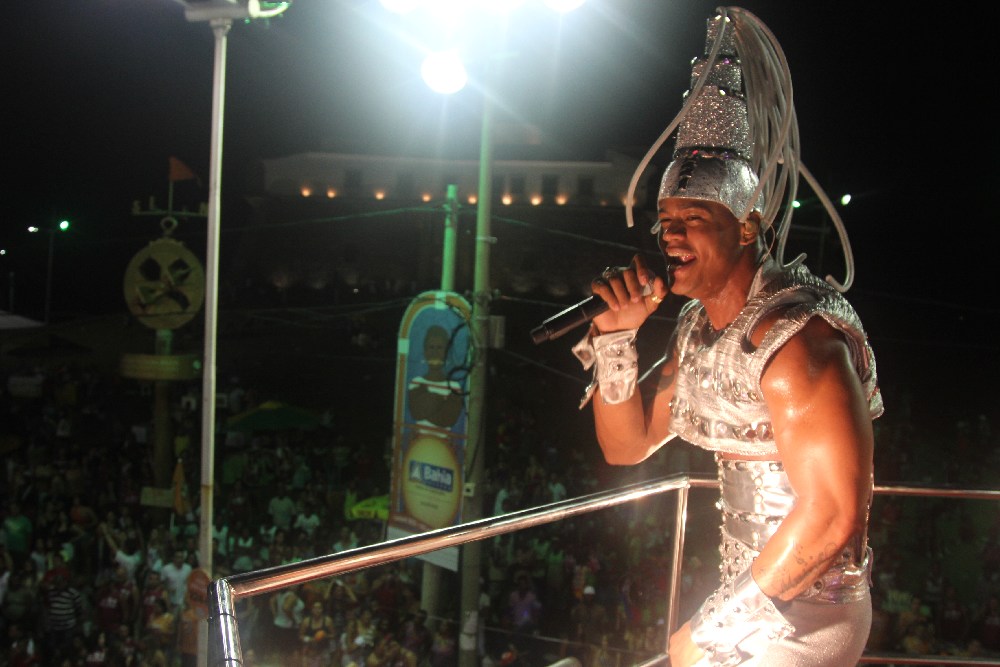
Parangolé operates as a powerhouse of Bahian culture, delivering a sound that fuses the rhythmic traditions of samba with the electric energy of modern funk. Led by the charismatic Lincoln Senna, the group currently consists of a core lineup that includes Léo Santana and Tony Salles. They have built a reputation for massive stadium shows and viral hits that dominate streaming platforms in Brazil.
Their musical identity is rooted in the streets of Salvador, where they began playing at local gatherings before expanding to national fame. Today, Parangolé remains an active force in the Latin music industry, consistently releasing new material and touring extensively. Their ability to blend classic pagode elements with contemporary production keeps them relevant to younger audiences while honoring their roots.
Formation Story
The story of Parangolé begins in the Federação neighborhood of Salvador, Bahia, in 1997. Unlike many modern groups that rely on formal auditions or reality TV casting, this band emerged organically from a roda de amigos, a circle of friends who shared a passion for music and community. These early days were defined by informal jam sessions and local performances that slowly grew into something more significant.
Lincoln Senna founded the group and quickly became its driving creative force. He brought together musicians who understood the nuances of pagode baiano, a style known for its upbeat tempo and percussion-heavy arrangements. The band did not have a single explosive debut moment; instead, they built their following through relentless live shows at local venues and festivals. By the early 2000s, their reputation had spread beyond Salvador, leading to their first studio albums and a broader national audience.
Over the years, the lineup evolved, but the spirit of the original roda remained central to their identity. The collaboration between Lincoln Senna and Léo Santana became particularly notable, with Santana's solo success often intersecting with the band's projects. This synergy helped Parangolé adapt to changing musical trends without losing their core sound.
Members
Musical Style
Parangolé's sound is anchored in pagode baiano, a subgenre of samba that emphasizes danceability and communal celebration. Early releases focused on acoustic instruments and lyrics reflecting daily life in Salvador. As the years passed, the group incorporated elements of axé music and funk carioca, modernizing their repertoire to suit larger festival stages.
Recent work showcases a full fusion of pagode, electronic dance music, and heavy bass lines. Tracks like Balacobaco and Abaixa Que é Tiro feature catchy hooks designed for social media virality while maintaining the rhythmic complexity of traditional samba. This evolution has allowed them to reach younger listeners who might not have connected with older pagode styles.
Discography
| Title | Year |
|---|---|
| Rebolation | 2016 |
| A Verdade da Cidade | 2013 |
| Negro Lindo | 2002 |
| Balacobaco | 2018 |
Tours
Festival de Verão de Salvador
2023 · Multiple shows
Rock in Rio
2019 · 1 shows
Cultural Impact
The band has played a pivotal role in spreading pagode baiano beyond the borders of Bahia. By blending traditional rhythms with modern production, they made the genre accessible to international audiences and younger generations within Brazil. Their concerts often serve as cultural celebrations, drawing tens of thousands of attendees who come to experience the unique energy of Bahian music.
Lincoln Senna and Léo Santana have become icons of Bahian culture, influencing fashion and dance trends across the country. Their music frequently appears in commercials, movies, and television shows, further cementing their presence in the national consciousness. The group also collaborates with major artists like Ivete Sangalo and Anitta, bridging the gap between regional pagode and mainstream pop.
Fandom Culture
Fans of Parangolé refer to themselves as Parangolistas or simply as part of the "family of Parangolé." This sense of family reflects the group's slogan, "Conte sempre com a família do Parango!" found on their social media profiles. The fandom is known for its high energy during live shows, often dancing in the streets during Carnival and participating in flash mobs organized by the band.
While there is no official lightstick or specific fan color documented, the collective identity is strong. Fans actively support the group through streaming numbers and social media engagement, helping the band maintain its position at the top of Brazilian charts.
Awards & Accolades
View 2 records, honours and achievementsMilestones
Formation of the band in Salvador, Bahia
Release of breakthrough album Negro Lindo
Release of Rebolation solidifying festival headliner status
Hit single Balacobaco achieves massive streaming numbers
Trivia
The name Parangolé refers to a colorful cape worn by Afro-Brazilian dancers, symbolizing movement and freedom., The term is also famously associated with the artwork of Hélio Oiticica, though the band shares the name for its cultural resonance rather than a direct link to his art project., The band started in the Federação neighborhood, a working-class area of Salvador, and maintains strong ties to the community., Their YouTube channel has surpassed 660 million total views as of early 2024., The group frequently collaborates with major Brazilian artists including Ivete Sangalo and Claudia Leitte.
Keywords
Sources
Quick Facts
- Origin
- Brazil
- Genres
- pagode baiano
- Status
- Active
- Founded
- 1997
Group Info
- Fandom
- Parangolistas
- Formed
- 1997
- Debut
- 1997
- Debut Song
- Negro Lindo
- Origin
- Salvador, Bahia, Brazil
- Company
- Independent / Family Management
- Status
- Active
Social Media
Also Known As
Join the community
fans discussing