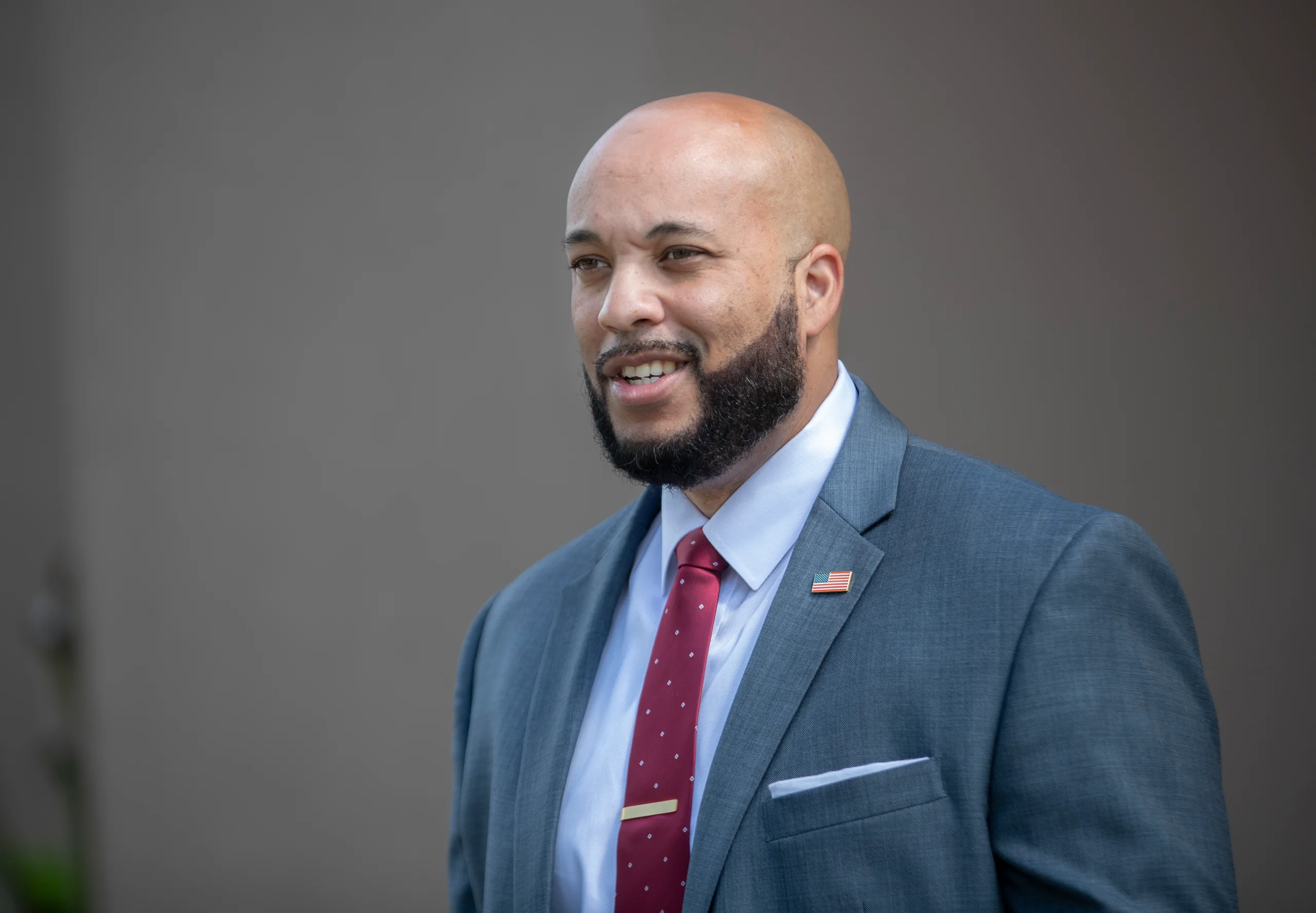
Orlando Anderson
Also known as: Baby Lane, Orlando Tive Anderson
Birthday
August 13, 1974
Birth Sign
Leo
Birthplace
Compton, California
Age
Died at 23
About
Orlando Tive Anderson, known by the street name "Baby Lane," was born in Compton on August 13, 1974. He became a central figure in local gang culture as a member of the South Side Compton Crips before his death at age 23. While he never held a public career outside these affiliations, his name entered history through his alleged role in the fatal shooting of rapper Tupac Shakur. Detective Tim Brennan of the Compton Police Department filed an affidavit in 1998 specifically naming Anderson as a suspect in the crime. Anderson denied any involvement and faced no charges during his lifetime. The case remained cold for decades until new developments emerged in the late 2020s. On September 29, 2023, authorities charged Anderson's uncle, Duane Keith Davis, with orchestrating Shakur's murder. A jury later found Davis guilty in 2026, reopening the narrative around the original event. Anderson himself died on May 29, 1998, in an unrelated gang shootout just months after the hip-hop icon's death. His short life ended in violence, leaving behind a legacy defined entirely by his connection to one of music's most famous unsolved mysteries.
Early Life & Background
Orlando Anderson grew up in Compton, California, during a period marked by intense gang activity and social tension. Born into this environment on August 13, 1974, he eventually affiliated with the South Side Compton Crips, adopting the moniker "Baby Lane" within those circles. His formative years were defined by the realities of street life rather than traditional education or professional development. There are no records indicating he attended college or pursued vocational training outside of the criminal underworld. Before the events that would define his historical notoriety, Anderson lived a life largely confined to the local geography of Southern California. He did not engage in mainstream entertainment or business ventures. His existence prior to 1996 was typical of many young men in his community, caught in cycles of gang affiliation without a clear path toward conventional success or public recognition.
Career Growth
Anderson did not pursue a career in entertainment, sports, or legitimate business. His entire public profile stems from his association with the South Side Compton Crips and his alleged participation in the September 7, 1996, drive-by shooting of Tupac Shakur. Following the altercation at the MGM Grand where he reportedly confronted Shakur's entourage, Anderson allegedly returned with armed accomplices to fire the fatal shots. This act propelled him into infamy, though it was a criminal act rather than a chosen profession. In 1997, he granted an interview to journalist Stephanie Frederic where he denied firing the shots, claiming he was merely a victim of the situation. Despite being named a suspect by Compton Police Detective Tim Brennan in 1998, Anderson faced no formal charges before his death. His "career" effectively ended with his own death in a gang shootout on May 29, 1998, leaving the investigation into Shakur's murder open for decades until the 2026 conviction of his uncle, Duane Keith Davis.
Career Timeline
Public Image & Style
Media portrayals of Orlando Anderson often depict him as a tragic figure caught in the crossfire of the East Coast-West Coast hip-hop feud. He is frequently described as a pawn manipulated by older relatives like Keffe D or as a ruthless enforcer acting on behalf of his gang. His image is that of a shadow character, someone whose actions had massive consequences but who never sought fame or public attention. Anderson is rarely discussed as an individual with agency outside of the context of Tupac Shakur's murder. The narrative surrounding him focuses heavily on the violence of gang warfare and the unresolved nature of the high-profile homicide that haunted Los Angeles and the music industry for years.
Fame & Fandom (iFAMOUS Rankings)
Orlando Anderson holds the position of the 77th most famous person in True Crime according to the iFANN Global Fame Rankings. He is also featured at No. 76 in the September 2026 iFAMOUS Rankings. This placement reflects his enduring presence in true-crime discourse rather than traditional celebrity status. He does not have a dedicated fanbase in the conventional sense; instead, he is the subject of morbid curiosity and analytical discussion among fans of the Tupac Shakur case. Followers of true-crime podcasts and forums frequently revisit his story, debating the evidence surrounding his role in the 1996 shooting. The audience interested in Anderson is driven by the mystery of the murder and the recent legal resolutions involving his uncle, rather than admiration for Anderson himself.
Interesting Facts and Legends
Orlando Anderson is widely remembered by the nickname "Baby Lane," a street moniker used within the South Side Compton Crips. He was the nephew of Duane Keith Davis, also known as Keffe D, who was convicted in 2026 of orchestrating the murder of Tupac Shakur. Anderson was the only person directly implicated as the shooter in the 2026 trial testimony of his uncle, yet he never stood trial himself. The incident at the MGM Grand involved a physical altercation where Anderson was beaten by members of Shakur's entourage before allegedly returning to commit the drive-by. His death occurred less than two years after the shooting, preventing him from ever testifying in court about his version of events. Anderson's name continues to appear in true-crime media and documentaries long after his passing.
Notable Quotes
“I didn't shoot Tupac.”
“My nephew Orlando 'Baby Lane' Anderson fired the shots that killed Tupac Shakur.”
Family & Personal Life
Orlando Anderson was born to parents whose names are not widely recorded in public biographical sources. He had a close familial relationship with his uncle, Duane Keith Davis, known professionally as Keffe D. Davis was a significant figure in Anderson's life and was later convicted of organizing the murder of Tupac Shakur. There is no public information regarding siblings, spouses, or children. Anderson died unmarried and without documented offspring. His family life was deeply intertwined with the gang culture of Compton, and his relatives played roles in the criminal activities surrounding the Shakur case.
Notable Connections
Relationships & Dating History
There is no public record of Orlando Anderson being married, engaged, or in any documented romantic relationships. As a young man deeply entrenched in gang life who died at age 23, his personal life remained private and devoid of the celebrity romance cycles typical of public figures. No children are attributed to him in official records or biographical accounts. Consequently, there is no dating history, engagement, or marriage to report. At the time of his death on May 29, 1998, he was single.
Death & Aftermath
Died
May 29, 1998 (aged 23)
Death Place
Compton, California
Cause of Death
Gunshot wounds sustained in a gang shootout
Orlando Anderson spent his final years navigating the volatile streets of Compton as a fugitive suspect in the murder of Tupac Shakur, having denied involvement in interviews like the one he gave to Stephanie Frederic in 1997. On May 29, 1998, at age 23, he died during a retaliatory gang shootout in Compton, California, shortly after being identified by police but before facing formal charges. The circumstances were consistently described as a violent confrontation between rival groups rather than an isolated event. Public reaction to his passing was characterized by silence regarding mourning and widespread speculation that his death served as a natural consequence of his alleged role in Tupac's slaying. Unlike the rapper he was linked to, Anderson remained a controversial figure, and no funeral details or burial locations have emerged in public records.
His legacy shifted decades later when testimony in the 2026 trial of Duane Davis officially implicated him as the shooter who fired the fatal shots during the Las Vegas drive-by. Davis testified that he passed a gun to Anderson in the back seat of a vehicle during the attack. Prosecutors argued the killing was retaliation for the beating of Anderson at the MGM Grand. While Anderson faced no formal trial or sentencing prior to his death, posthumous findings in the 2026 trial established his direct involvement in the shooting. He has appeared in various documentaries, true-crime books, and news segments discussing the case since then.
Net Worth (Estate Value)
$0
iFANN Editorial Team estimate
Orlando Anderson left no estate, assets, or financial legacy. As a gang member with no legitimate income sources, he accumulated no wealth during his brief life. There are no real estate holdings, business ventures, or investments attributed to him. Posthumously, revenues generated from documentaries, true-crime books, and media coverage featuring his name go to the creators and publishers, not his estate. The iFANN Editorial Team estimates his net worth at approximately $0, reflecting the absence of any financial resources or property. His economic reality was defined by the lack of stability common in his environment, and no financial trajectory exists to analyze beyond his death.
Awards & Accolades
Known For
Murder of Tupac Shakur
1996 · Suspect
Keywords
Sources
Quick Facts
- Profession
- criminal
- Born
- August 13, 1974
- Birthplace
- Compton, California
- Died
- May 29, 1998
- Death Place
- Martin Luther King, Jr. Multi-Service Ambulatory Care Center
- Gender
- Male
- Birth Sign
- Leo
Personal Details
- Full Name
- Orlando Tive Anderson
- Children
Frequently Asked Questions
Who killed Tupac Shakur?
How did Orlando Anderson die?
Was Orlando Anderson ever charged?
Did Orlando Anderson have kids?
What was Orlando Anderson's relationship to Tupac?
Similar People

Join the community
fans discussing