Vanderbilt University
 United States
"Healing the wounds of a divided nation through education and research"
About
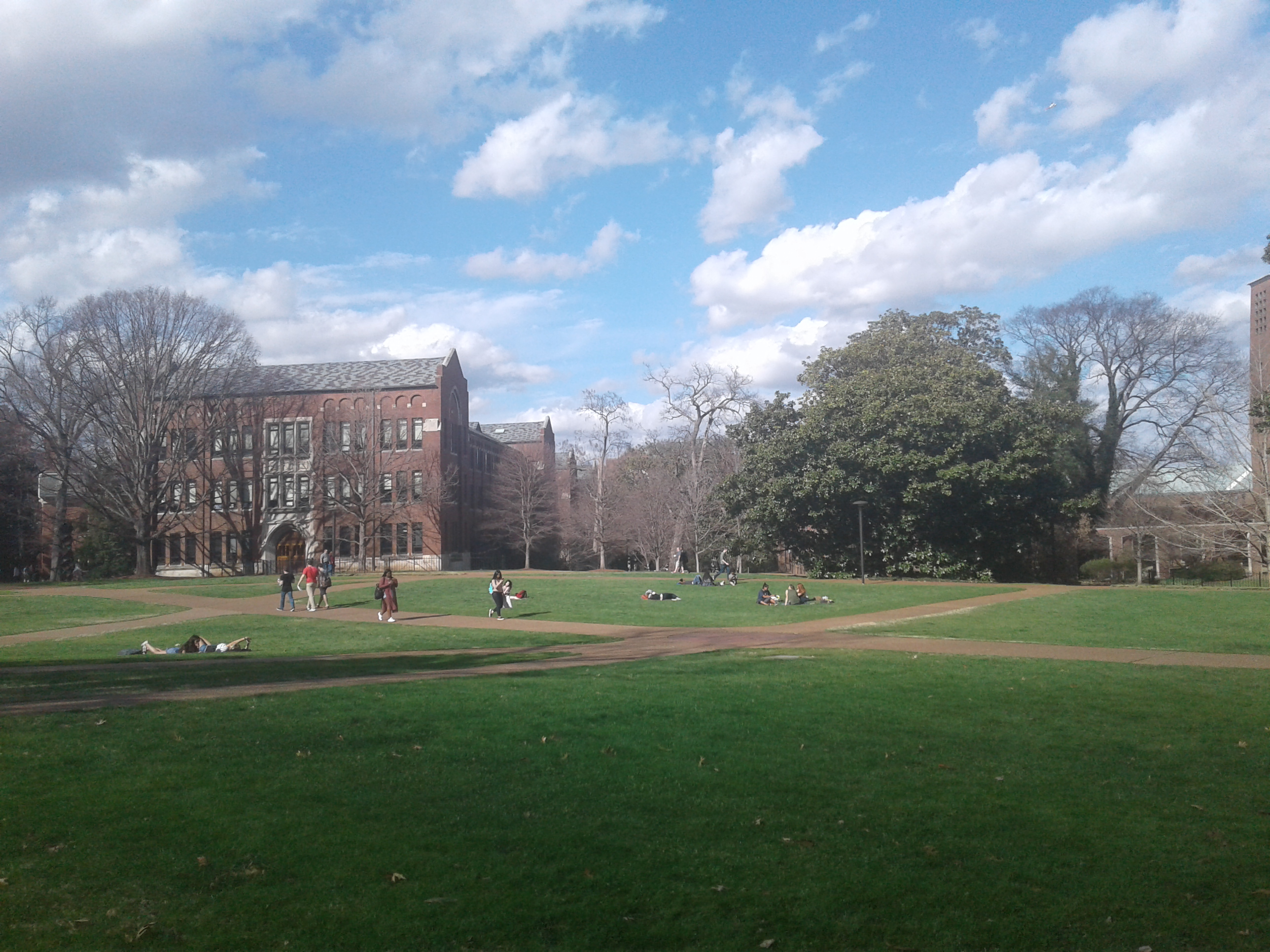
Nestled in the heart of Nashville, Tennessee, Vanderbilt University stands as a private research institution with deep roots in American history. Founded in 1873, the school carries the name of Cornelius Vanderbilt, a shipping and railroad magnate who donated his initial $1 million endowment to the cause. His vision extended beyond mere education; he hoped this gift would help heal the sectional wounds left by the American Civil War.
The university officially opened its doors in October 1875 under the leadership of Holland Nimmons McTyeire, a Methodist bishop who secured the necessary funds and support from the Methodist Episcopal Church, South. Today, the campus remains a hub for academic rigor and innovation, organized into 12 distinct schools and colleges. These include the Blair School of Music, the Peabody Institute, Owen Graduate School of Management, the Law School, the School of Engineering, the School of Medicine, and the College of Arts and Science.
Recent years have seen significant shifts in the university's landscape. In September 2026, the Divinity School entered receivership following internal debates about financial priorities and academic substance. Despite such challenges, the institution continues to expand its reach. Leadership changes in late 2026 brought Natasha Sachs to West Palm Beach as executive director, while Dominique Jarman took on a new role driving nursing workforce growth at Vanderbilt Health. The university also maintains a strong athletic presence as the Commodores, competing fiercely in the Southeastern Conference.
Mission
Vanderbilt University operates with a clear purpose: to foster learning, innovation, and leadership within both local and global communities. The institution aims to serve society by advancing knowledge through rigorous academic programs and groundbreaking research. Its commitment extends to accessibility, evidenced by recent moves to cover full tuition for families earning under $200,000 annually.
History
The story of Vanderbilt begins with the aftermath of the Civil War. In 1873, Cornelius Vanderbilt agreed to donate one million dollars to establish a university in the South, provided it was built on land already owned or purchased by the Methodist Episcopal Church, South. Bishop Holland Nimmons McTyeire traveled to New York to negotiate the terms, securing the donation with the condition that the university would be located in Nashville. The charter was granted later that year, though the campus did not open until October 1875.
For decades, the university grew steadily, constructing iconic buildings like Kirkland Hall. It evolved from a regional college into a major research powerhouse. The mid-20th century saw significant expansion, particularly in medicine and science. By the 1960s, the university had become a central figure in Southern higher education, often compared to Ivy League institutions for its selectivity and resources.
Modern history has been marked by both triumph and turbulence. The university launched ambitious fundraising campaigns to boost its endowment, reaching over $13 billion recently. However, the institution faced scrutiny in 2026 when the Divinity School entered receivership, sparking debates about the balance between financial management and academic freedom. Simultaneously, the university expanded its physical footprint with the Quantum Hub in Chattanooga and strengthened its medical capabilities through partnerships and new hires.
Subdivisions
Blair School of Music
A premier conservatory offering undergraduate and graduate degrees in performance, composition, and music education.
Peabody Institute
A renowned conservatory dedicated to the study of music and performing arts, integrated within the university structure.
Owen Graduate School of Management
Provides MBA and executive education programs focused on business strategy and leadership.
School of Law
Offers Juris Doctor and master's degrees, known for its clinical programs and focus on public interest law.
School of Engineering
Delivers undergraduate and graduate engineering programs with a strong emphasis on research and practical application.
School of Medicine
Conducts medical research and trains physicians, often partnering with Vanderbilt University Medical Center.
College of Arts and Science
The largest division of the university, offering a wide range of majors in humanities, social sciences, and natural sciences.
Notable People
Holland Nimmons McTyeire
Founder · 1873-1893
Secured the founding donation from Cornelius Vanderbilt and established the university's early curriculum.
Cornelius Vanderbilt
Benefactor · 1873
Donated the initial $1 million endowment that made the university possible.
Natasha Sachs
Executive Director · 2026-Present
Appointed to lead the expansion of the West Palm Beach campus.
Dominique Jarman
Leadership · 2026-Present
Driving nursing workforce growth and career advancement initiatives at Vanderbilt Health.
Milestones
1873
Cornelius Vanderbilt donates $1 million; university chartered.
1875
Vanderbilt University officially opens its doors in Nashville.
1921
Construction of Kirkland Hall, the centerpiece of the main campus, is completed.
1960
Integration of the student body accelerates, reflecting broader national changes.
2026
Divinity School placed into receivership amid governance disputes.
2026
Launch of the Quantum Hub in partnership with EPB in Chattanooga.
Teams
Sources
Organization Info
- Founded
- +1873
- Headquarters
- Nashville
- Country
- United States
- Type
- University
- Employees
- 3358
- Founder
- Holland Nimmons McTyeire
- Endowment
- $13.5 billion
- Athletic Conference
- SEC
Financials
- Endowment
- $13.5 billion
- Employees
- 3358
Official Website
www.vanderbilt.edu/
Join the community
fans discussing