University of Tokyo
 Japan
Japan"Japan's first modern university, a leading research institution"
About
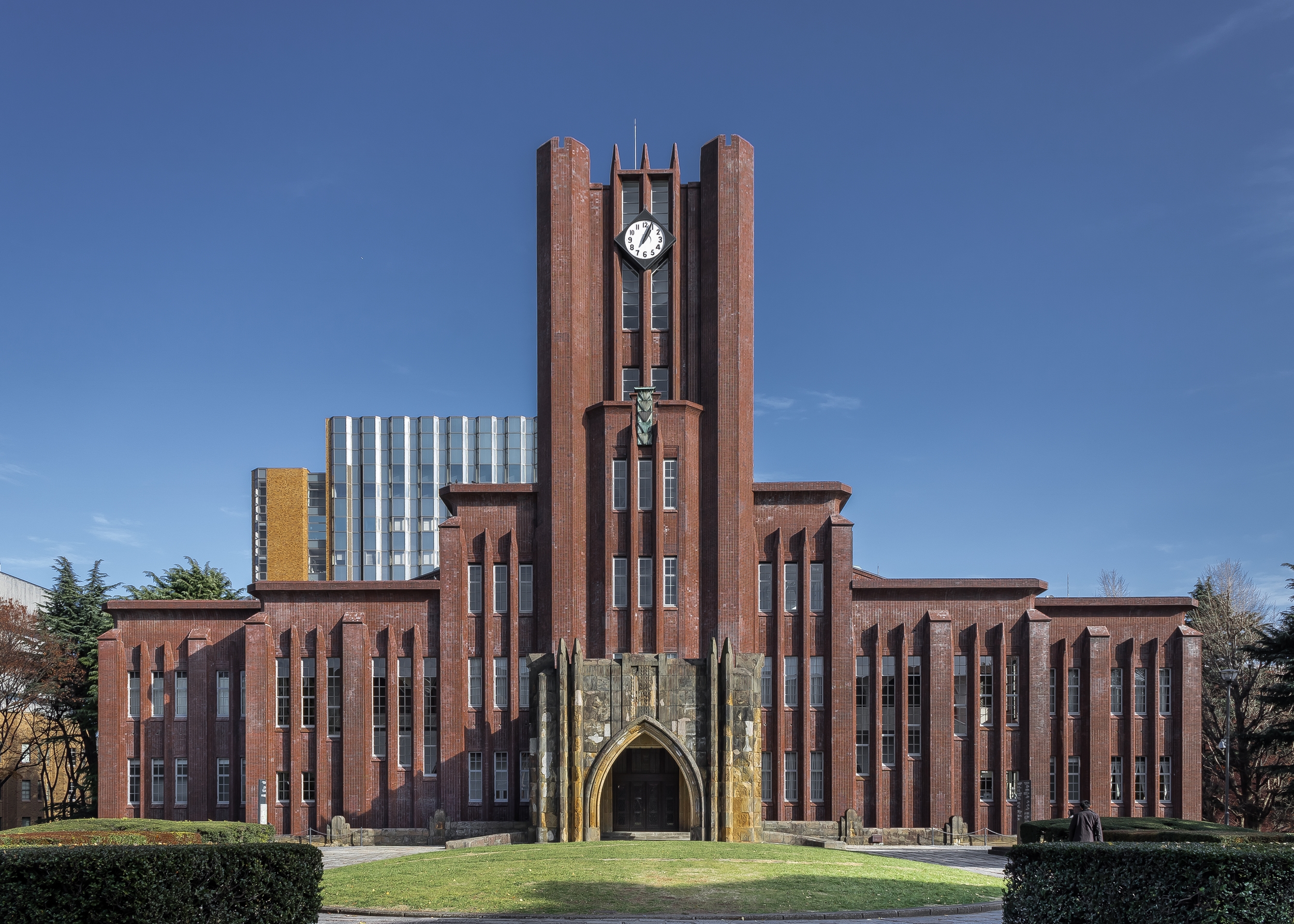
The University of Tokyo, known in Japanese as Tōkyō daigaku and commonly shortened to Tōdai, stands as Japan's first modern university. Founded in 1877, it brought together several older institutions, some of which traced their roots back to the seventeenth century. The university's main campus sits in Bunkyō, a quiet ward in central Tokyo, and its full name in English is often abbreviated as UTokyo.
Today, the university operates ten faculties, fifteen graduate schools, and eleven affiliated research institutes, covering everything from law and medicine to engineering and the humanities. In 2023, it enrolled around 13,970 students, a figure that reflects its selective admissions and reputation as the country's most prestigious institution of higher learning. The university has produced numerous prime ministers, Nobel laureates, and leading academics, making it a cornerstone of Japan's intellectual and political life.
The university's research output is substantial, with partnerships spanning industry and government. Recent collaborations include a drone-based potato yield prediction method with Kubota, a quantum workforce development initiative with PsiQuantum and Mitsubishi Chemical, and a carbon capture disaster resilience evaluation technology with Mitsubishi Electric. The university also runs the University of Tokyo Hospital and the University Museum, serving both academic and public roles.
Mission
History
The University of Tokyo was founded on April 12, 1877, as Japan's first modern university, merging the Tokyo Kaisei School and Tokyo Medical School. These institutions had origins in the Tokugawa-era Tenmongata (1684) and Shōheizaka Institute. The new university initially comprised faculties of law, science, letters, and medicine, along with a preparatory school.
Over the following decades, the university expanded through mergers with various schools, including the Tokyo Foreign Language School and the Tokyo Agricultural School. In 1886, it was reorganized under the Imperial University Order, becoming the Imperial University of Japan. The name changed to Tokyo Imperial University in 1897, and finally to the University of Tokyo in 1947.
The university has been central to Japan's modernization, producing leaders in government, science, and industry. It has faced challenges, including financial pressures in recent years, with projected deficits in fiscal 2026. Despite this, it continues to lead in research and education, with active partnerships across the globe.
Subdivisions
Graduate School of Agricultural and Life Sciences
Engaged in agricultural research, including drone-based yield prediction.
University of Tokyo Hospital
One of Japan's leading university hospitals, providing medical care and research.
University Museum
Museum showcasing the university's collections in natural history and archaeology.
Notable People
Makoto Gonokami
Former President · 2015-2021
Led the university through major reforms and internationalization efforts.
Junichi Hamada
Former President · 2021-2025
Oversaw the university's response to the pandemic and financial challenges.
Teruo Fujii
Current President · 2025-present
Current president, focusing on research partnerships and financial sustainability.
Milestones
1877
Founded as Japan's first modern university.
1886
Reorganized as the Imperial University of Japan.
1947
Renamed to the University of Tokyo.
2026
Partnership with PsiQuantum and Mitsubishi Chemical for quantum workforce development.
2026
Established the Sony Group Human Resource Development Fund.
Departments
Sources
Organization Info
- Founded
- April 12, 1877
- Headquarters
- Bunkyō, Tokyo, Japan
- Country
- Japan
- President
- Teruo Fujii
- Type
- University
- Employees
- 11,000 (faculty and staff)
- Students
- 29,000+ (approx.)
Financials
- Employees
- 11000
Official Website
www.u-tokyo.ac.jp/en/
Join the community
fans discussing