University of Melbourne
 Australia
"Australia's leading research university"
About
The University of Melbourne, often called Melbourne University, is a public research institution in Melbourne, Australia. Founded in 1853, it holds the title of Australia's second oldest university and the oldest in the state of Victoria. Its main campus sits in Parkville, an inner suburb just north of the city's central business district, with additional campuses spread across Victoria.
As a member of the prestigious Group of Eight, the university is known for its strong emphasis on research and academic excellence. It offers a wide range of undergraduate and postgraduate programs across disciplines like arts, science, engineering, and medicine. Over the years, it has produced numerous notable alumni, including four Australian prime ministers and several Nobel laureates.
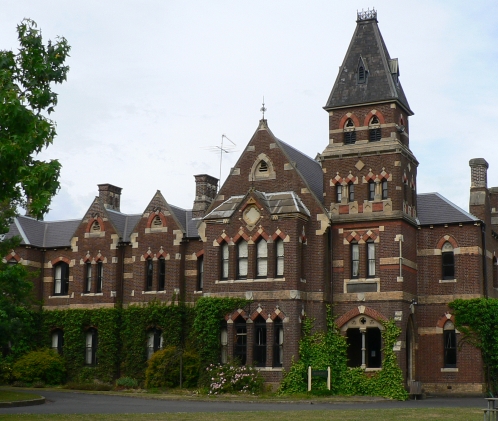
The university's architecture blends historic sandstone buildings with modern facilities, creating a distinctive campus atmosphere. With a student body of over 50,000, including many international students, it fosters a diverse and vibrant community. Its reputation for high-quality teaching and research consistently places it among the top universities globally, making it a key player in the country's educational landscape.
Mission
The University of Melbourne is dedicated to being one of the world's leading research universities, advancing knowledge and learning to benefit society. Its mission is to provide an outstanding education that prepares students for leadership and service, to conduct research of global significance, and to engage with the community to address complex challenges.
History
The University of Melbourne was established on January 22, 1853, when the Victorian colonial legislature passed an act to create the colony's first university. Classes began in 1855 with just three professors and sixteen students. The university grew quickly, adding faculties of law, medicine, and engineering by the 1860s.
In the early 20th century, the university expanded its campus and research capacity. The first female students were admitted in 1881, and the university became a full member of the Association of Commonwealth Universities in 1913. During the post-war era, enrollment surged, leading to new buildings and programs.
In 2008, the university adopted the Melbourne Curriculum, a major reform that aligned it with European and North American models, offering undergraduate degrees followed by professional graduate programs. This change reshaped the academic landscape and attracted international attention.
Recent years have seen the university deepen its global partnerships. In 2026, it signed a memorandum of understanding with the Government of Andhra Pradesh in India to establish a "Quantum Valley" partnership, and it inked a letter of support with Amazon Web Services for a strategic collaboration. The university also released its inaugural Research Integrity Report in July 2026, signaling a commitment to transparency.
Notable People
Elizabeth Blackburn
Alumna · 1970-1972
Nobel Prize in Physiology or Medicine (2009)
Peter Doherty
Alumnus · 1962-1965
Nobel Prize in Physiology or Medicine (1996)
Julia Gillard
Alumna · 1982-1986
Prime Minister of Australia (2010-2013)
Milestones
1853
Founded by act of the Victorian colonial legislature
1855
First classes held with three professors and sixteen students
1881
Women first admitted to the university
2008
Melbourne Curriculum introduced, restructuring degree programs
2026
Launched Quantum Valley partnership with Andhra Pradesh, India
Departments
Sources
Organization Info
- Founded
- 1853
- Headquarters
- Parkville, Victoria, Australia
- Country
- Australia
- Vice-Chancellor
- Duncan Maskell
- Type
- University
- Students
- 50,000+
- Campus
- Parkville, Victoria
Official Website
www.unimelb.edu.au/
Join the community
fans discussing