University of London
 United Kingdom
"A federal university of 17 autonomous colleges, pioneering distance education since 1836."
About
Founded by royal charter in 1836, the University of London is one of the oldest and largest universities in the UK. It operates as a federation of 17 independent member institutions, including University College London and King's College London, each with its own identity, admissions, and degree-awarding powers. The central university confers degrees, manages shared resources like the Senate House Library, and runs a vast distance-learning program that reaches students in over 180 countries.
With roughly 120,000 students studying in London and more than 51,000 enrolled in its global online programs, the university is a major force in higher education. Its alumni include Mahatma Gandhi, Alexander Graham Bell, and numerous Nobel laureates. The university consistently ranks among the world's top 50, a reflection of both its research output and the caliber of its graduates.
The University of London's structure allows students to benefit from the resources of a large institution while enjoying the intimacy of smaller colleges. Its distance-learning model, pioneered in the 19th century, has influenced universities worldwide and remains a cornerstone of its mission to make education accessible.
Mission
The University of London's mission is to provide rigorous, accessible education and foster world-class research. Through its federal structure, it supports member institutions in delivering high-quality teaching and research, while its distance-learning programs extend educational opportunities to students worldwide. The university aims to maintain the highest academic standards, promote social mobility, and contribute to the public good through knowledge creation and dissemination.
History
The University of London was established in 1836, a time when Oxford and Cambridge dominated English higher education but restricted entry to Anglicans. The new university broke that mold, granting degrees to students at University College London (non-denominational) and King's College London (Anglican) without religious tests. It was a radical idea: a purely examining body that awarded degrees to anyone who passed, regardless of where they had studied.
In 1858, the university expanded its reach by introducing the External Programme, allowing students anywhere in the world to sit its exams. This was the world's first distance-learning degree, and it opened higher education to those who could not attend campus. By the early 20th century, the university had grown into a federation, with colleges gaining increasing autonomy. The 20th century saw the addition of major institutions like the London School of Economics and Imperial College (which later left in 2007).
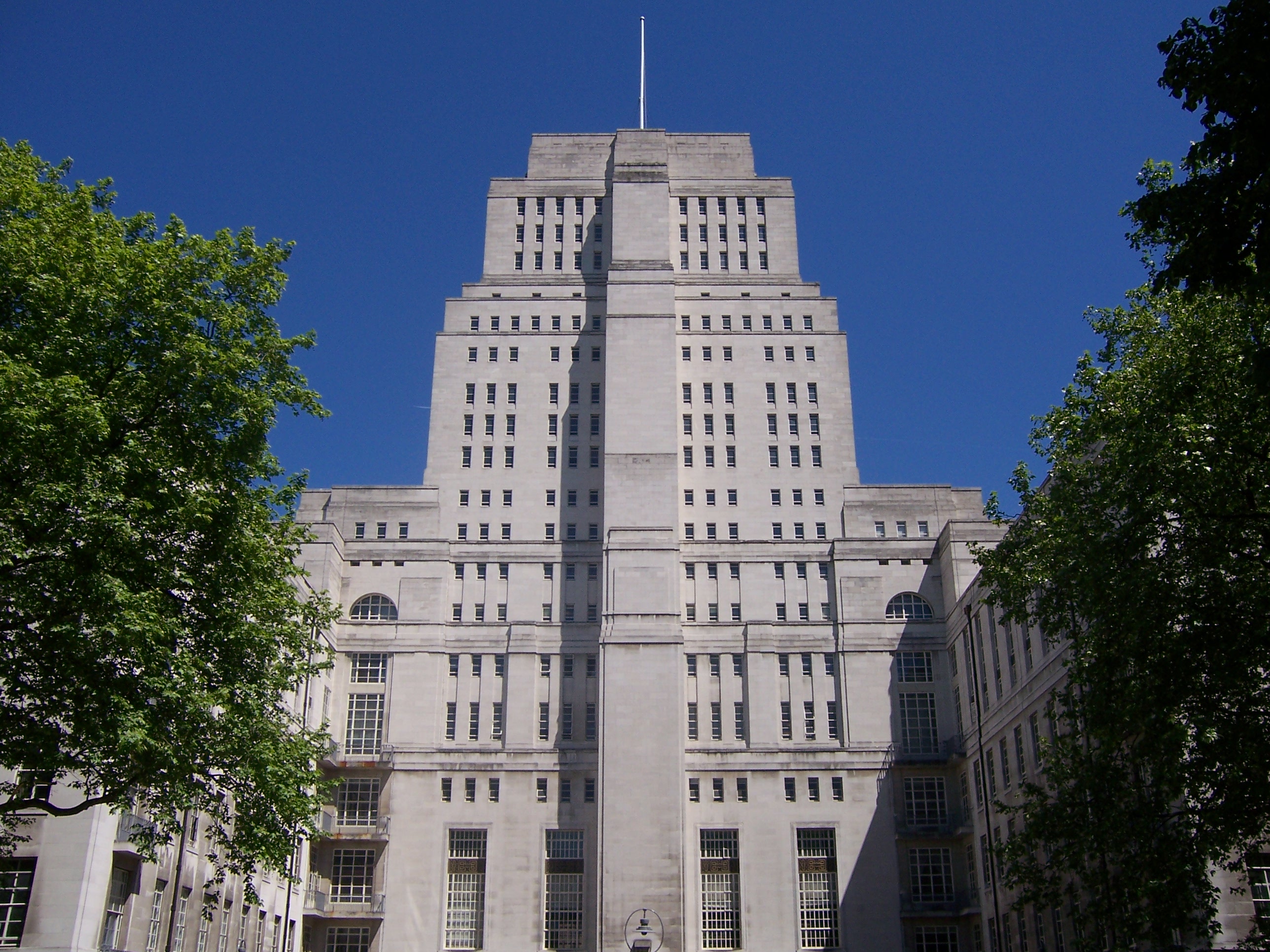
World War II brought hardship, but also a moment of pride: the iconic Senate House building served as the Ministry of Information, where George Orwell worked. Post-war, the university expanded rapidly, both in London and abroad. The 1990s and 2000s saw further restructuring, with many colleges achieving independent degree-awarding powers while remaining part of the federation. Today, the University of London continues to adapt, embracing digital learning and international partnerships.
Subdivisions
University College London
A leading multidisciplinary research university, consistently ranked among the top 10 globally.
King's College London
One of the oldest and largest colleges, known for its strengths in humanities, law, and health sciences.
London School of Economics and Political Science
A world-renowned institution specializing in social sciences, with a strong focus on economics and politics.
School of Advanced Study
A cluster of 10 institutes dedicated to advanced research in the humanities and social sciences.
Notable People
Mahatma Gandhi
Alumnus · 1888-1891
Studied law at University College London; later led India's independence movement.
Alexander Graham Bell
Alumnus · 1870-1873
Studied at University College London; invented the telephone.
Nelson Mandela
Alumnus · 1960s
Studied law via the University of London's external programme while imprisoned.
Milestones
1836
Founded by royal charter as a degree-awarding examination board.
1858
Launched the External Programme, the world's first distance-learning degree.
1900
Reconstituted as a federal university with member colleges.
1936
Senate House building completed.
2007
Imperial College London left the federation to become independent.
Sources
Organization Info
- Founded
- 1836
- Headquarters
- Senate House, London
- Country
- United Kingdom
- Type
- University
- Member institutions
- 17
- Students in London
- 120,000
- Distance learners
- 51,000+
- Countries served
- 180+
Official Website
www.london.ac.uk/
Join the community
fans discussing