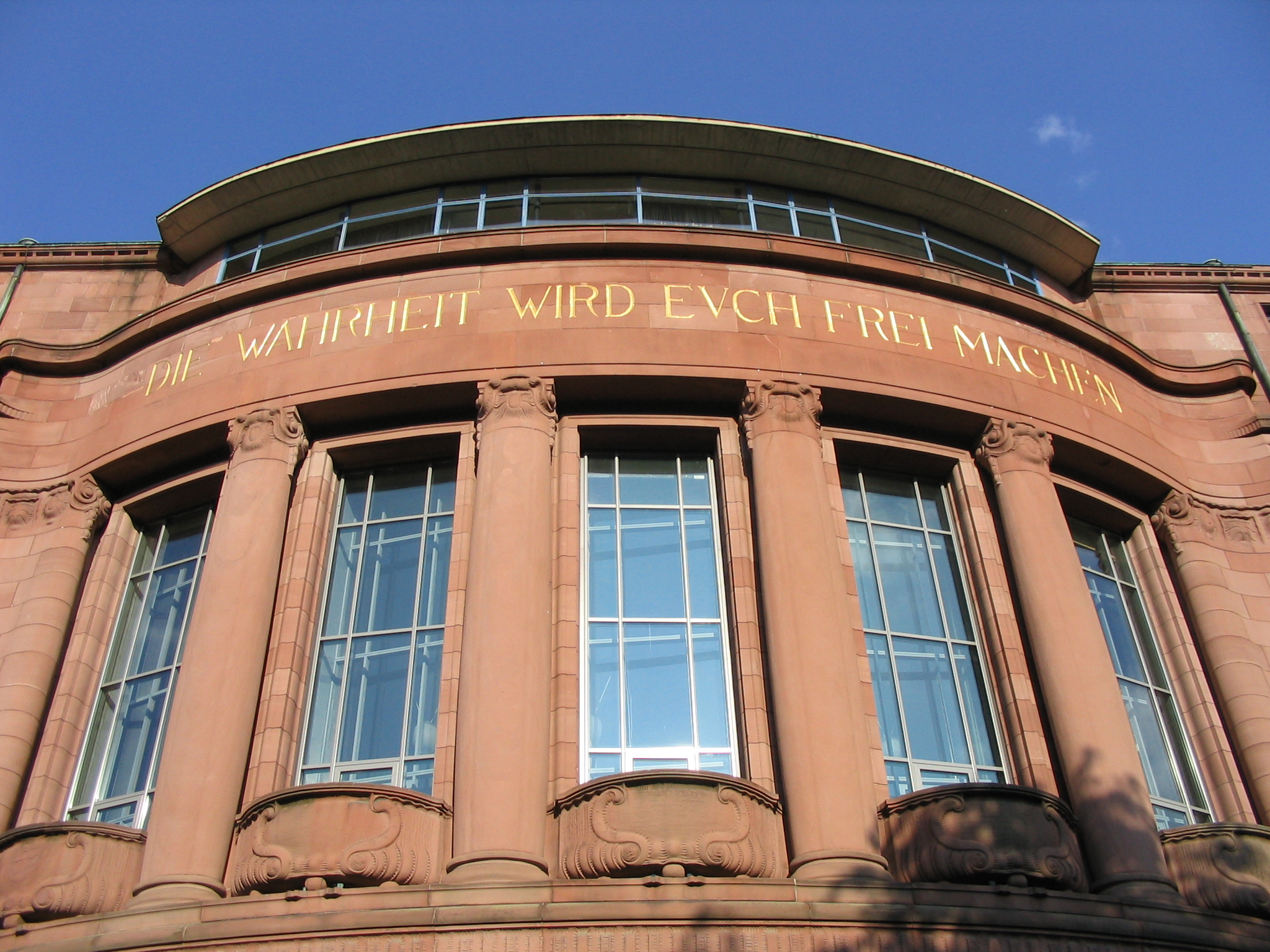
University of Freiburg
 Germany
"A 560-year-old German research university blending tradition with innovation."
About
The University of Freiburg, officially the Albert Ludwig University of Freiburg, is a public research university in the city of Freiburg im Breisgau, in Germany's Baden-Württemberg state. Founded in 1457 by the Habsburg dynasty, it was the second university in the Austrian-Habsburg territories, following the University of Vienna. Today, it ranks as Germany's fifth-oldest university, carrying a rich academic heritage that spans over five and a half centuries. The institution is led by a rector and administered through a senate, with a strong emphasis on research across disciplines like the humanities, natural sciences, and engineering.
Known for its vibrant campus life and international outlook, Freiburg attracts scholars from around the globe. Its annual budget and research funding run into hundreds of millions of euros, supporting a wide range of projects. The university's reputation for academic excellence is reflected in its consistent high rankings in German and European league tables, as well as its membership in the League of European Research Universities (LERU). With a student body of over 20,000, it offers a blend of tradition and innovation, making it a key player in Germany's higher education landscape.
The university's main campus sits at the edge of the Black Forest, and its institutes are scattered across the city, giving it a distinct regional flavor. Freiburg's long tradition of teaching across disciplines has contributed significantly to German and European intellectual life, and its recent adoption of guidelines for generative AI in teaching shows it remains responsive to emerging technologies.
Mission
The university's mission centers on strong basic research across a broad spectrum of academic fields. It aims to position itself as one of Europe's strongest research universities, fostering interdisciplinary collaboration and international partnerships. Teaching is closely tied to research, ensuring students engage with cutting-edge knowledge from their first semesters. The university also emphasizes societal responsibility, sustainability, and the responsible use of new technologies like AI.
History
Albert VI, Archduke of Austria, founded the university on September 21, 1457, making it the second institution of higher learning in the Habsburg territories after Vienna. The early centuries saw the university flourish as a center of theology, law, and the arts, though the Thirty Years' War and other conflicts took their toll.
By the early 1800s, enrollment had dwindled to near zero, and the university faced closure. Grand Duke Ludwig of Baden stepped in and reestablished it in the early 19th century, which is why the institution carries his name today. This revival sparked a period of expansion, and new faculties in the sciences and humanities were added throughout the 19th century.
The 20th century brought both triumph and tragedy. The university produced several Nobel laureates, including Hans Spemann in medicine and Heinrich Otto Wieland in chemistry. But the Nazi era saw the dismissal of many Jewish and politically opposed academics, a dark chapter that the university has since confronted openly. After World War II, the university rebuilt and modernized, becoming a key player in West German higher education. In 2007 and 2012, it successfully won funding in the Excellence Initiative, cementing its status among Germany's elite research universities.
Subdivisions
Faculty of Theology
Offers programs in Catholic theology, with a focus on historical and systematic theology.
Faculty of Law
Known for its strong tradition in legal studies, including civil law, criminal law, and public law.
Faculty of Economics and Behavioral Sciences
Covers economics, sociology, political science, and psychology, with a strong emphasis on empirical research.
Faculty of Philology
Includes Germanic, Romance, and English studies, as well as linguistics and translation.
Faculty of Humanities
Comprises philosophy, history, art history, and musicology, among other disciplines.
Faculty of Mathematics and Physics
Hosts research groups in pure and applied mathematics, as well as experimental and theoretical physics.
Faculty of Chemistry and Pharmacy
Focuses on organic, inorganic, and physical chemistry, plus pharmaceutical sciences.
Faculty of Biology
Known for research in plant and animal physiology, ecology, and molecular biology.
Faculty of Environment and Natural Resources
Specializes in forestry, environmental sciences, and sustainable resource management.
Faculty of Engineering
Offers programs in microsystems engineering, computer science, and embedded systems.
Faculty of Medicine
One of Germany's leading medical faculties, with strong clinical and research departments.
Notable People
University Library Freiburg
Coin collection of the University of Freiburg
Milestones
1457
Founded by Albert VI, Archduke of Austria.
early 1800s
Reestablished by Grand Duke Ludwig of Baden, giving the university its current name.
2007
Won funding in the Excellence Initiative, boosting its research profile.
2012
Again successful in the Excellence Initiative, continuing its elite status.
2018
Professor Dr. Kerstin Krieglstein became rector.
2026-06
Hosted an international panel for the Excellence Strategy on-site visit.
2026-05
Adopted guidelines on the use of generative AI in teaching and studies.
2026-07
Strengthened academic collaboration with Semmelweis University and other partners.
Sources
Organization Info
- Founded
- 1457-09-21
- Headquarters
- Freiburg im Breisgau
- Country
- Germany
- Rector
- Professor Dr. Kerstin Krieglstein
- Type
- University
- Founder
- Albert VI, Archduke of Austria
- Students
- Over 20,000
Official Website
uni-freiburg.de/
Join the community
fans discussing