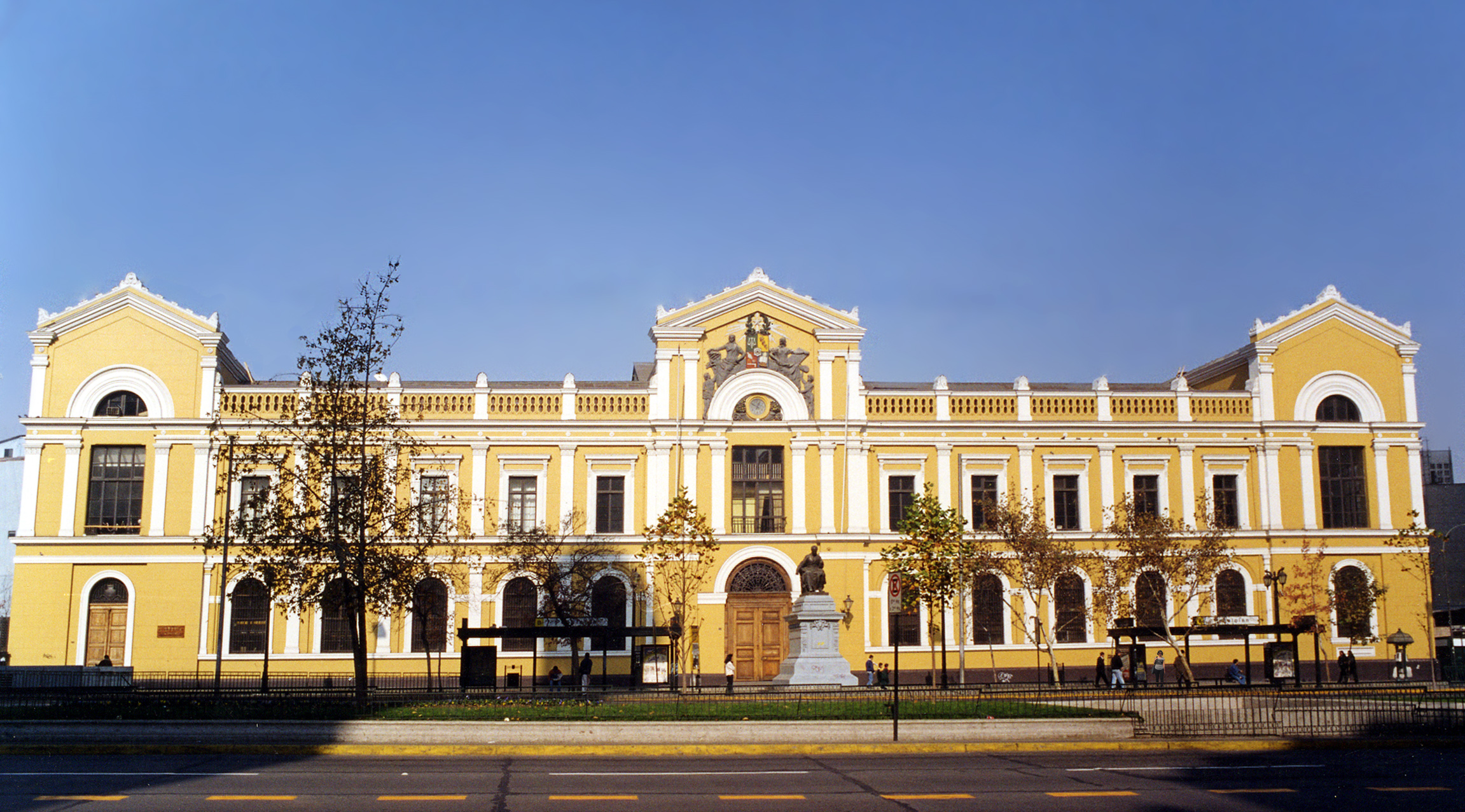
University of Chile
 Chile
Chile"The oldest and principal public university of Chile"
About
The University of Chile, known in Spanish as Universidad de Chile, is the oldest institution of higher education in the country. Founded on November 19, 1842, and officially inaugurated on September 17, 1843, it traces its lineage back to the colonial Royal University of San Felipe, established in 1738. That heritage gives the university a history stretching nearly three centuries, making it a pillar of Chilean education and intellectual life.
As a public research university headquartered in Santiago, the University of Chile has built a reputation for academic rigor and a strong commitment to social outreach. Its mission goes beyond the classroom, aiming to address pressing national and regional challenges through research and community engagement. The university's story is intertwined with Chile's own development, having produced numerous presidents, Nobel laureates, and leading thinkers who have shaped the nation's trajectory.
Today, the university operates across five campuses in Santiago, offering a wide range of programs in law, medicine, engineering, humanities, and more. Its influence extends into cultural and political spheres, where alumni and faculty have played pivotal roles. With steady enrollment and a reputation that draws students from across Chile and beyond, the University of Chile remains a vital force in Latin American higher education.
Mission
The University of Chile's mission is to provide public higher education of the highest quality, foster research that contributes to the nation's development, and engage with society to address its most pressing needs. As the principal state institution, it aims to be a model of academic excellence, critical thinking, and social responsibility, preparing professionals and citizens who will lead Chile toward a more equitable and sustainable future.
History
The University of Chile was established on November 19, 1842, by Venezuelan-born intellectual Andrés Bello, who became its first rector. Bello, a polymath and statesman, had already made his mark in Chile as a senator and educator. His vision was to create a secular, state-run institution that would drive the young republic's progress through science, law, and the humanities. The university officially opened its doors on September 17, 1843, inheriting the legacy of the Royal University of San Felipe, which had operated since 1738.
From the start, the university was designed to be more than a teaching institution; it was to be the intellectual engine of the nation. Bello's influence shaped its early curriculum, emphasizing law, medicine, and the physical sciences. Over the decades, the university expanded its faculties and became a hub for political and cultural leaders. It played a key role in the professionalization of Chile's civil service and the development of its legal system.
The twentieth century brought both growth and turbulence. The university weathered political upheavals, including the 1973 coup, which led to the exile and persecution of many academics. Despite these challenges, it continued to produce influential research and graduates. In recent years, the university has modernized its infrastructure, with projects like the VM20 building near Baquedano station, and strengthened its international partnerships, such as the 2026 agreement with Science Tokyo.
Notable People
Andrés Bello
Founder and first rector · 1842-1865
Founded the university and shaped its early academic direction
Milestones
1842
Founded by Andrés Bello
1843
Officially inaugurated
2026
Signed collaboration agreement with Science Tokyo
Sources
Organization Info
- Founded
- 1842-11-19
- Headquarters
- Santiago
- Country
- Chile
- Type
- University
- Founder
- Andrés Bello
- Campuses
- 5
Official Website
www.uchile.cl/
Join the community
fans discussing