 Serbia
About
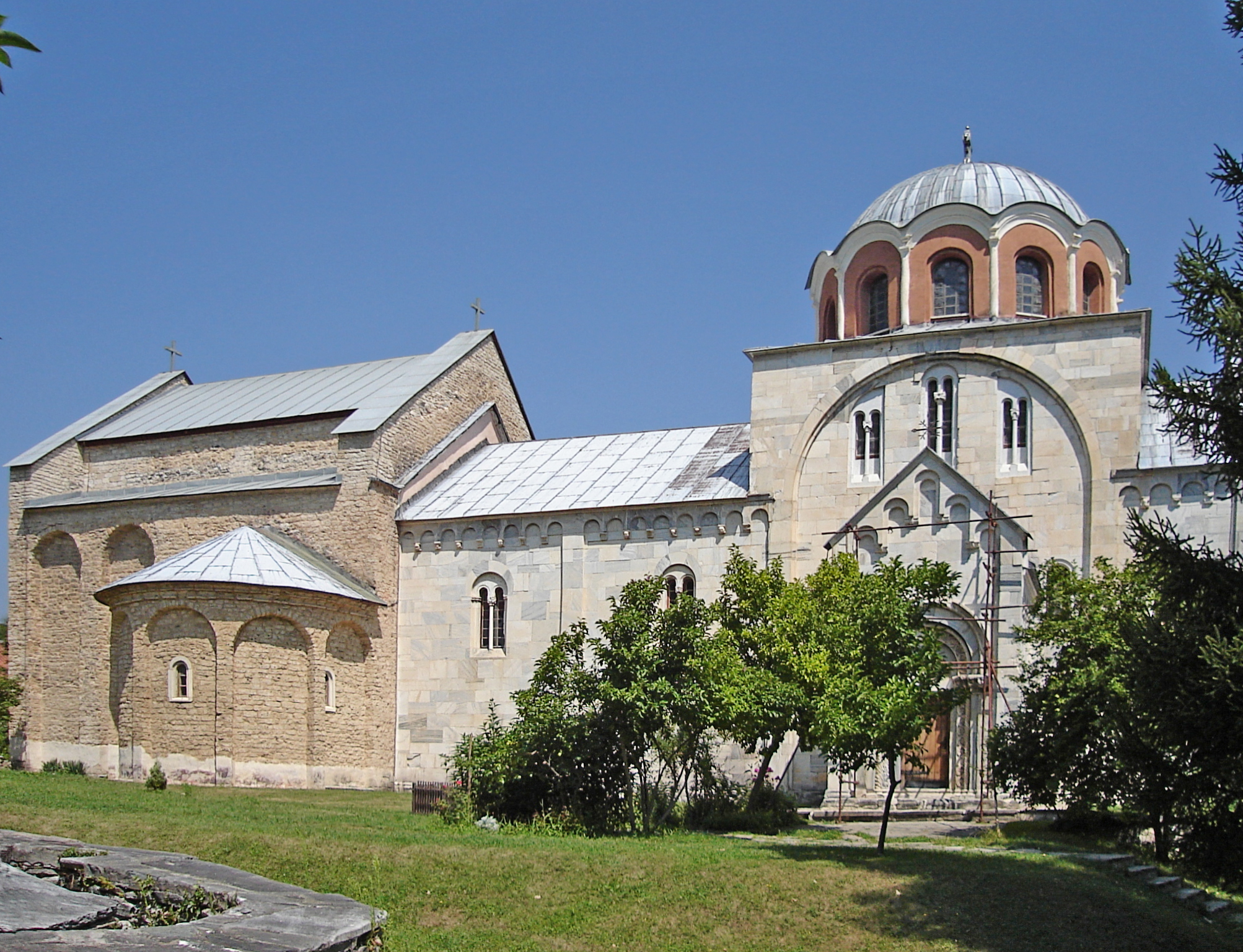
Nestled in the mountains of central Serbia, about 39 kilometers southwest of Kraljevo and 41 kilometers east of Ivanjica, the Studenica Monastery stands as one of the most significant monuments of Serbian medieval history. Founded in 1186 by Stefan Nemanja, the Grand Prince of Serbia and founder of the Nemanjić Dynasty, this Serbian Orthodox monastery is not just a place of worship but a symbol of national identity and spiritual heritage. Its white marble Church of the Virgin is a masterpiece of the Raška architectural style, blending Romanesque and Byzantine influences in a way that was revolutionary for its time.
Today, Studenica is protected as a Monument of Culture of Exceptional Importance by the Republic of Serbia, a status it has held since 1979. In 1986, UNESCO recognized its universal value by adding it to the World Heritage List, describing it as an outstanding example of a medieval monastery that has preserved its original appearance. The monastery complex includes four churches in total, but the Church of the Virgin, with its intricate frescoes and sculpted portals, is the crown jewel. The Church of the King, built during the reign of King Milutin, adds another layer of artistic richness.
For anyone interested in medieval art, religious history, or simply breathtaking architecture, Studenica offers a journey back in time. Its remote location, surrounded by forests and hills, adds to its serene and contemplative atmosphere, making it a must-see destination for travelers and pilgrims alike. The monastery remains active, with monks continuing the centuries-old traditions of prayer and hospitality, and it even has a dormitory for overnight guests, which has hosted student pilgrims in recent years.
Mission
Studenica was built to connect Heaven and Earth, to be a Ladder that raises people from Earth to Heaven, to glorify the Triune God in the beauty of the Most Holy Theotokos. As an active monastery, it serves as a place of prayer, pilgrimage, and monastic life, preserving centuries-old traditions while offering spiritual guidance and hospitality to all who visit.
History
The story of Studenica begins in 1186, when Stefan Nemanja, the Grand Prince of Serbia, chose a remote valley in the Raška district to establish his memorial church. He had recently consolidated the Serbian state, and Studenica was meant to be both a spiritual cornerstone and a dynastic mausoleum. The Church of the Virgin, built of gleaming white marble, was completed within a few years, and its construction marked the birth of the Raška architectural style, a fusion of Romanesque and Byzantine elements that would influence Serbian church building for centuries.
In 1199, Nemanja died as the monk Simeon, having abdicated his throne to enter monastic life. His relics were transferred to Studenica, and the monastery quickly became a major pilgrimage site. Over the following decades, his son, Saint Sava, played a key role in establishing the monastery's liturgical and cultural life. The monastery served as the burial place for several Nemanjić rulers, cementing its status as a royal foundation.
During the reign of King Milutin (1282–1321), a second church, the Church of the King, was added, along with a refectory and other buildings. Milutin, a renowned patron of the arts, enriched Studenica with new frescoes and icons. The monastery weathered the Ottoman period, though it suffered damage and was rebuilt several times. In the 19th and 20th centuries, restoration efforts brought Studenica back to its former glory. It was declared a Monument of Culture of Exceptional Importance in 1979 and inscribed on the UNESCO World Heritage List in 1986, ensuring its preservation for future generations.
Subdivisions
Church of the Virgin
The main and oldest church, built of white marble, featuring exceptional frescoes and a sculpted portal.
Church of the King
Built during King Milutin's reign, this church houses significant frescoes from the 14th century.
Notable People
Stefan Nemanja
Founder · 1113–1199
Founded the monastery in 1186; later became monk Simeon and was buried here.
King Stefan Uroš II Milutin
Patron · r. 1282–1321
Built the Church of the King and contributed to the monastery's artistic wealth.
Saint Sava
Affiliated · 1174–1236
First Archbishop of the Serbian Orthodox Church; closely associated with Studenica's early history.
Milestones
1186
Founded by Stefan Nemanja.
1199
Stefan Nemanja died as monk Simeon; his relics were transferred to Studenica.
1282–1321
Reign of King Milutin; Church of the King built.
1979
Declared a Monument of Culture of Exceptional Importance.
1986
Inscribed on the UNESCO World Heritage List.
2025
Students from Novi Pazar stayed overnight at the monastery, sparking controversy.
2026
Featured on the new Serbian passport design; Archimandrite Damjan reported in isolation.
Sources
Organization Info
- Founded
- 1186
- Headquarters
- Raška District, Serbia
- Country
- Serbia
- Ecclesiastical Superior
- Metropolitan Justin of Žički
- Parent
- Serbian Orthodox Church (Eparchy of Žička)
- Type
- Religious
- UNESCO World Heritage
- 1986
Official Website
manastirstudenica.rs/
Join the community
fans discussing