 Germany
About
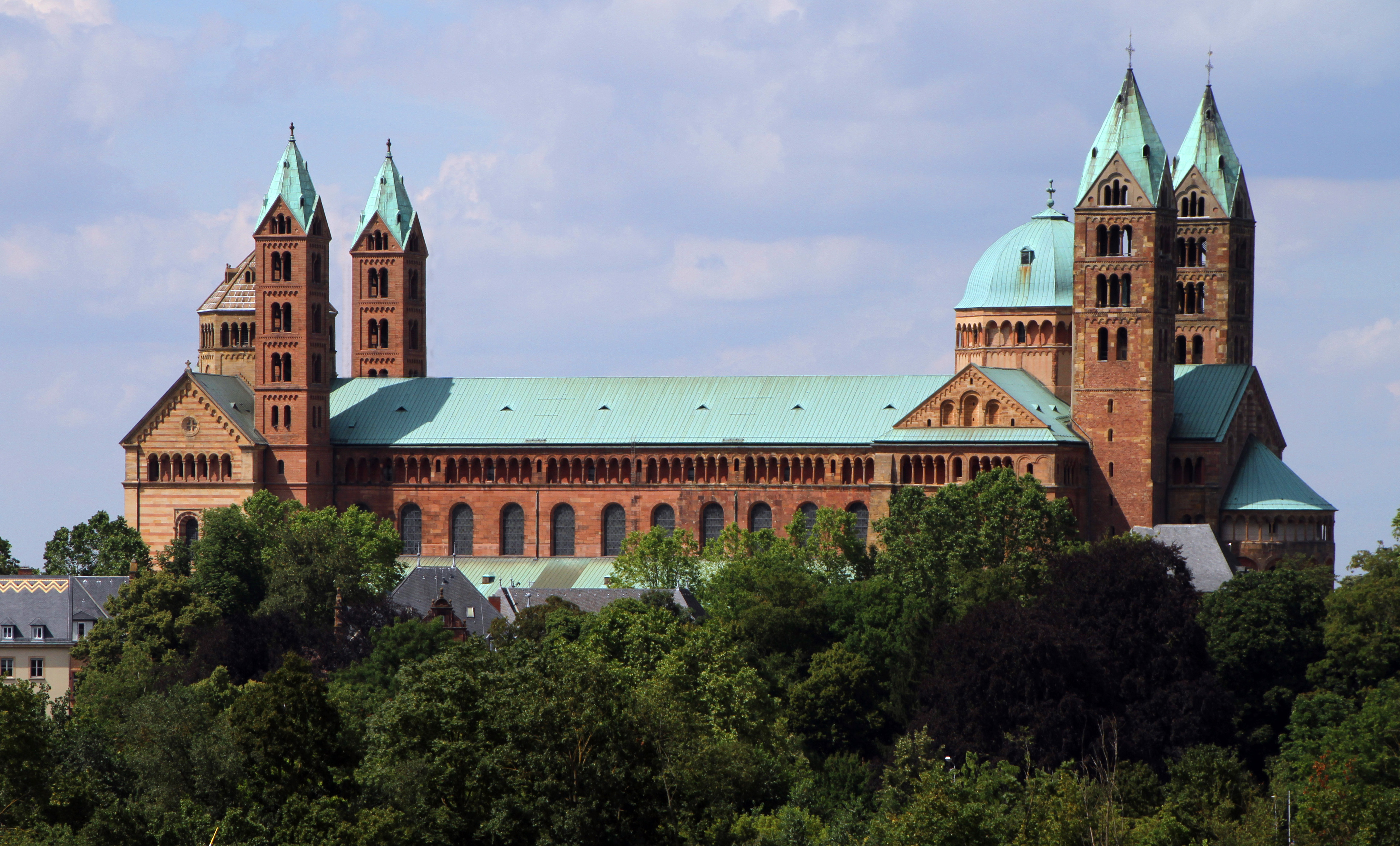
Speyer Cathedral, officially the Imperial Cathedral Basilica of the Assumption and St Stephen, stands as a monumental example of Romanesque architecture in the German city of Speyer. Founded in 1030 by Emperor Conrad II, it was built to assert imperial power and serve as a burial place for the Salian dynasty. The cathedral, dedicated to the Virgin Mary and St. Stephen, remains the seat of the Roman Catholic Bishop of Speyer and holds the title of a minor basilica. Its massive scale and distinctive four towers and two domes mark it as one of the most significant churches of its era, earning it a place on UNESCO's World Heritage list in 1981. Over the centuries, it has witnessed fires, wars, and restorations, yet its imposing presence continues to dominate the Rhine landscape. Today, it attracts visitors worldwide, drawn to its historical depth and architectural grandeur, while still serving as a living place of worship and pilgrimage. The cathedral's crypt, the largest in Germany, houses the tombs of eight German emperors and kings, adding to its historical weight. Its red sandstone facade, restored in the 19th and 20th centuries, reflects a blend of original craftsmanship and later interventions. As a symbol of imperial and religious authority, Speyer Cathedral remains a focal point of German heritage and a masterpiece of Romanesque art.
Mission
Speyer Cathedral serves as an active place of Catholic worship and pilgrimage, the seat of the Speyer diocese's bishop, a monumental symbol of imperial and religious authority, and a major cultural heritage site drawing visitors from around the world. As a living church, it continues to host regular liturgical services while also functioning as a museum-like destination for tourists and pilgrims alike.
History
Construction of Speyer Cathedral began in 1030 under Emperor Conrad II, who envisioned a grand basilica to reinforce his authority and provide a dynastic mausoleum. The cathedral was remodeled at the end of the 11th century, giving it the imposing four-tower, two-dome configuration seen today. Over the centuries, the structure endured fires, wars, and extensive restoration campaigns, particularly in the 19th and 20th centuries when the red sandstone facade was carefully repaired. In 1981, UNESCO recognized the cathedral as a World Heritage Site, citing it as a major monument of Romanesque art in the German Empire. The cathedral has also been the site of significant modern events, such as the 2017 burial of former German Chancellor Helmut Kohl, who chose Speyer for its symbolic weight. Today, the cathedral remains a living church and a focal point of German heritage, drawing visitors from around the world to marvel at its nearly thousand-year-old architecture.
Subdivisions
Crypt
The largest crypt in Germany, housing the tombs of eight German emperors and kings.
Main Nave and Sanctuary
The central liturgical space used for worship and cathedral ceremonies.
Four Towers and Two Domes
Distinctive architectural features that define the cathedral's silhouette.
Notable People
Conrad II
Founder · 1030
Founded the cathedral in 1030 as a demonstration of imperial power and as the burial place for the Salian dynasty.
Milestones
1030
Construction began under Emperor Conrad II.
End of 11th century
Cathedral remodeled, gaining its distinctive four towers and two domes.
1981
Inscribed on the UNESCO World Heritage List.
2017
Former German Chancellor Helmut Kohl buried at the cathedral.
Sources
Organization Info
- Founded
- 1030
- Headquarters
- Speyer, Rhineland-Palatinate, Germany
- Country
- Germany
- Bishop
- Bishop of Speyer
- Parent
- Roman Catholic Diocese of Speyer
- Type
- Religious
- Founder
- Conrad II
Official Website
www.dom-zu-speyer.de/
Join the community
fans discussing