 France
About
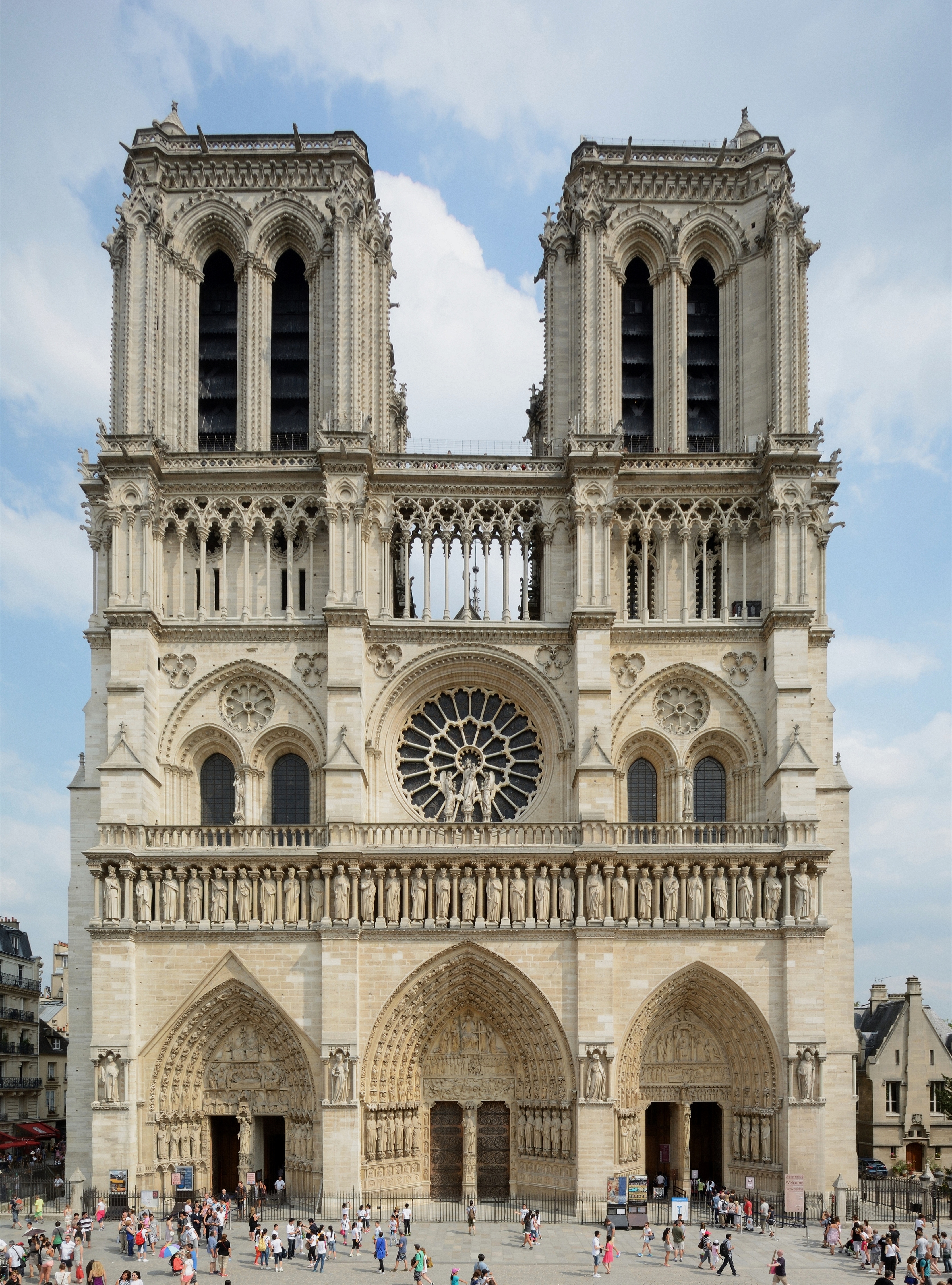
Notre-Dame de Paris, commonly known as Notre-Dame, is a medieval Catholic cathedral on the Île de la Cité, an island in the River Seine in the 4th arrondissement of Paris. Dedicated to the Virgin Mary, it serves as the cathedral of the Roman Catholic Archdiocese of Paris and holds honorary status as a minor basilica, granted by Pope Pius VII in 1805. The cathedral is widely considered the most famous example of French Gothic architecture from the Middle Ages, celebrated for its flying buttresses, three rose windows, sculpted portals, and twin towers.
Construction began in 1163 under Bishop Maurice de Sully and continued for nearly two centuries, with major phases in the 13th and 14th centuries. The site itself has yielded archaeological evidence of about 1,700 years of Parisian history, with recent excavations described as a 'dig of the century.' The building has witnessed coronations, royal weddings, and national funerals, including the coronation of Napoleon Bonaparte in 1804. The 19th-century restoration led by Eugène Viollet-le-Duc added the spire and many of the famous gargoyles.
In 2019, a devastating fire destroyed the spire and much of the roof, prompting an unprecedented international restoration effort. The cathedral reopened to the public in late 2024, though restoration continues, including work on the western rose window. Notre-Dame remains an active place of worship, a major pilgrimage destination, a UNESCO World Heritage site, and one of the most visited cultural landmarks in the world.
Mission
Notre-Dame de Paris exists to serve as the cathedral church of the Archdiocese of Paris, providing a sacred space for Catholic worship, prayer, and pilgrimage. It aims to be a living witness to the Christian faith through its liturgical celebrations, pastoral care, and hospitality to visitors from around the world. The cathedral also seeks to preserve and share its immense artistic, historical, and spiritual heritage, ensuring that future generations can experience the beauty and significance of this Gothic masterpiece.
History
Bishop Maurice de Sully laid the foundation stone in 1163, and the high altar was consecrated in 1182. The west facade, towers, and rose windows took shape through the 13th century, with the cathedral largely complete by 1345. Over the centuries, Notre-Dame witnessed royal weddings and state funerals, but the French Revolution brought desecration and damage, with statues and treasures destroyed.
Victor Hugo's 1831 novel The Hunchback of Notre-Dame sparked a public outcry that led to the 19th-century restoration under Eugène Viollet-le-Duc, who added the spire and many gargoyles. The cathedral survived two world wars, but on April 15, 2019, a fire consumed the roof and spire, collapsing the wooden frame. The world watched as firefighters saved the main structure, including the rose windows and relics.
The restoration effort, funded by over 340,000 donors from more than 150 countries, rebuilt the spire and roof using traditional materials and techniques. The cathedral reopened on December 8, 2024, but work continues on the western rose window and other elements. Recent archaeological digs beneath the nave have uncovered medieval and ancient ruins, offering new insights into Paris's history.
Subdivisions
Treasury of Notre-Dame
A collection of religious relics and artifacts housed within the cathedral, including the Crown of Thorns and other precious objects.
Choir School
A musical institution attached to the cathedral, training young singers for liturgical services.
Notable People
Maurice de Sully
Bishop of Paris · 1160-1196
Initiated the construction of Notre-Dame in 1163.
Eugène Viollet-le-Duc
Architect · 19th century
Led the major restoration in the 19th century, adding the spire and gargoyles.
Napoleon Bonaparte
Emperor of the French · 1804
Crowned Emperor at Notre-Dame in 1804.
Milestones
1163
Construction begins under Bishop Maurice de Sully.
1182
High altar consecrated.
1345
Cathedral largely completed.
1804
Napoleon crowned Emperor at Notre-Dame.
1805
Granted honorary minor basilica status by Pope Pius VII.
1844-1864
Viollet-le-Duc's restoration adds spire and gargoyles.
2019-04-15
Fire destroys spire and roof.
2024-12-08
Cathedral reopens to the public.
Departments
Sources
Organization Info
- Founded
- 1163
- Headquarters
- Île de la Cité, 4th arrondissement, Paris, France
- Country
- France
- Parent
- Roman Catholic Archdiocese of Paris
- Type
- Religious
- Founder
- Maurice de Sully
- Status
- Minor basilica, UNESCO World Heritage
- Visitors per year
- Millions
Official Website
www.notredamedeparis.fr/
Join the community
fans discussing