 Germany
About
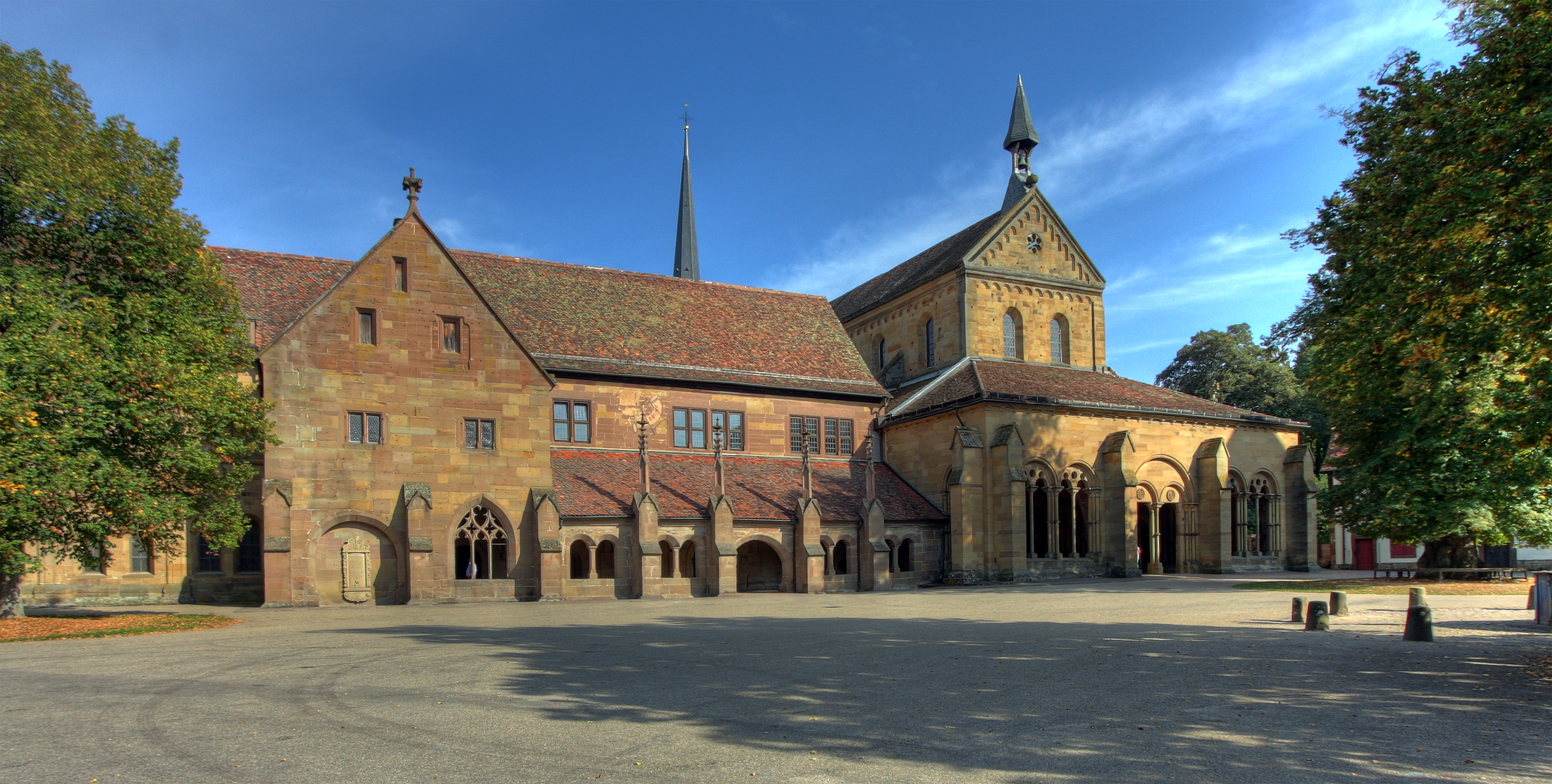
Maulbronn Monastery, known in German as Kloster Maulbronn, sits in the small town of Maulbronn in Baden-Württemberg, Germany. It is widely considered the most complete and best-preserved medieval monastic complex north of the Alps, a status that earned it a place on the UNESCO World Heritage list in 1993. The site is a remarkable blend of Romanesque and Gothic architecture, with a church, cloisters, working buildings, and outbuildings that have survived centuries of change.
Founded in 1147 by Cistercian monks, the monastery quickly became a thriving center of faith, learning, and agriculture. Over the centuries, it grew in wealth and influence, eventually becoming an ecclesiastical state within the Holy Roman Empire. The complex's fortunes fluctuated: it prospered in the 12th century, faced hardships in the late 13th and 14th centuries, then saw a revival in the 15th century that lasted well into the Reformation. Today, it is managed by the state of Baden-Württemberg and draws visitors from around the world who come to admire its architecture and explore its history. The site houses a museum that details the daily life of the monks and the monastery's political role.
Beyond its architectural and historical significance, Maulbronn is famous for a culinary legend. Local tradition says the monks invented Maultaschen, the Swabian meat-filled dumplings, during Lent by hiding meat inside dough to fool God's scrutiny of their fasting, earning them the nickname 'God-cheaters' (Herrgottsbscheißerle). This story has made the monastery a pilgrimage site for food enthusiasts as well as history buffs, though some food historians note the recipe likely originated later. The monastery also hosts the Klosterkonzerte Maulbronn, a classical music series known for performances of Handel's oratorios.
Mission
As a former Cistercian abbey now managed by the state of Baden-Württemberg, Maulbronn Monastery's mission is to preserve and share its rich cultural and architectural heritage. It serves as a museum and educational center, offering visitors insight into medieval monastic life and the site's political history. The monastery also functions as a venue for cultural events, including the Klosterkonzerte Maulbronn concert series, keeping the site vibrant and accessible to the public.
History
Maulbronn Monastery was founded in 1147 by Cistercian monks, part of the order's rapid expansion across Europe. The monks chose a remote valley, which they drained and cultivated, turning it into a prosperous agricultural estate. By the late 12th century, the monastery was thriving, with its church and cloister built in the Romanesque style, later transitioning to Gothic as construction continued.
The 13th and 14th centuries brought hardship. Financial troubles, political conflicts, and the Black Death took their toll. Yet the monastery endured, and in the 15th century it experienced a revival. The abbey became an ecclesiastical state within the Holy Roman Empire, with the abbot holding significant temporal power. The Reformation brought change, and in 1556 the Duke of Württemberg converted the monastery into a Protestant seminary, a role it held for centuries. This shift likely contributed to its survival, as the buildings were maintained and repurposed rather than abandoned.
In the 19th and 20th centuries, the site passed to state ownership and gradually opened to the public. Restoration efforts intensified after World War II. In 1993, UNESCO recognized its universal value, citing it as the most complete medieval monastic complex north of the Alps. Today, Maulbronn is a major tourist destination, welcoming thousands of visitors each year, and continues to host both cultural events and ongoing preservation work.
Milestones
1147
Founded by Cistercian monks
12th century
Period of prosperity and growth
Late 13th–14th centuries
Period of hardship
15th century
Revival and renewed prosperity
1556
Converted into a Protestant seminary by the Duke of Württemberg
1993
Declared a UNESCO World Heritage Site
2018-2025
Continued operation as a major tourist attraction and cultural venue
Sources
Organization Info
- Founded
- 1147
- Headquarters
- Maulbronn, Baden-Württemberg, Germany
- Country
- Germany
- Type
- Other
- UNESCO World Heritage
- 1993
Official Website
www.kloster-maulbronn.de/
Join the community
fans discussing