Korean Broadcasting System
 South Korea
"The nation's window to the world"
About
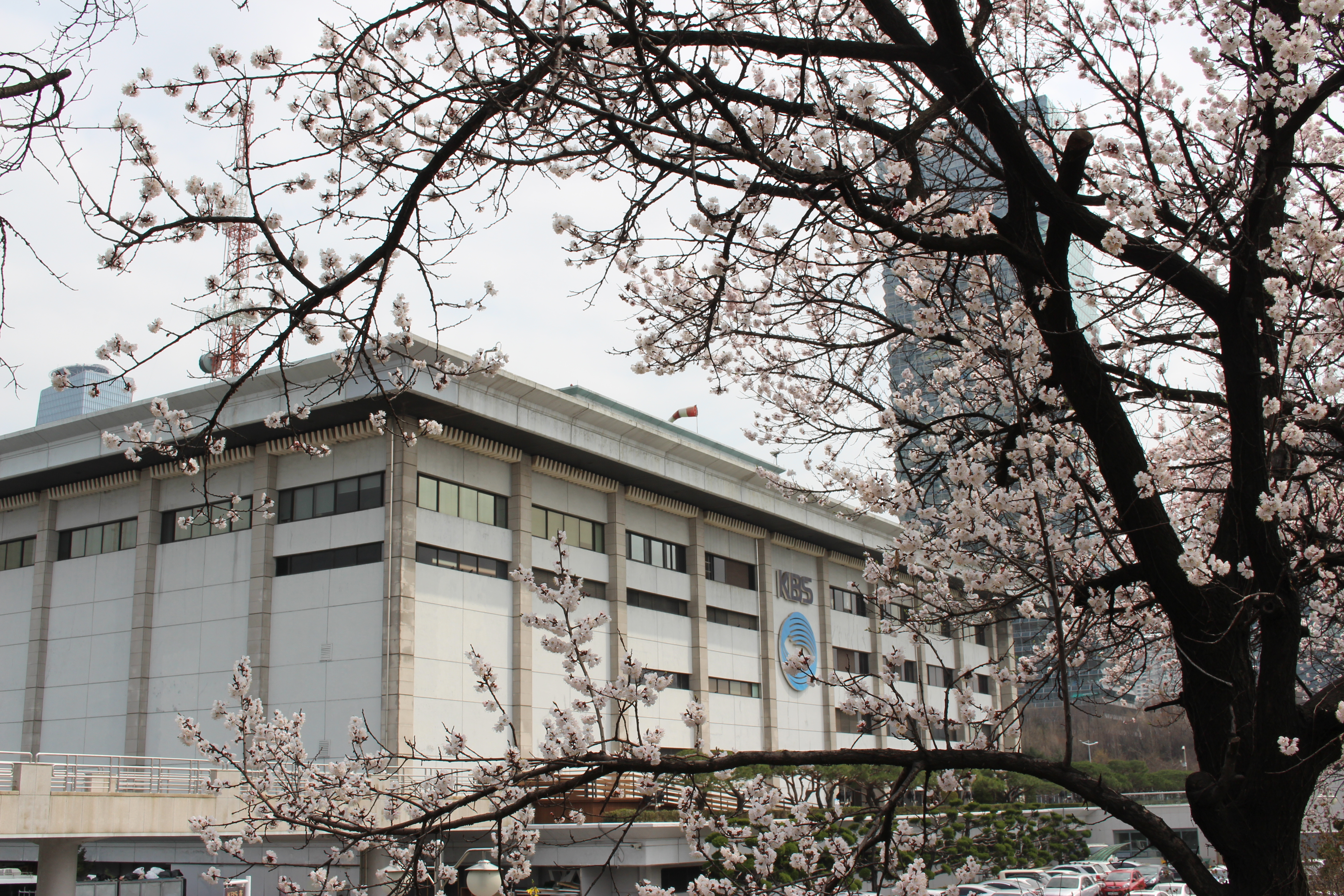
KBS is South Korea's oldest and largest public broadcaster, operating since 1927 when its predecessor, Gyeongseong Broadcasting Station, aired the first radio signal on the peninsula. Today, KBS runs two national terrestrial TV channels, KBS1, which delivers news, current affairs and cultural programming, and KBS2, an entertainment-focused network known for dramas and variety shows, along with seven radio networks and a global service reaching overseas Koreans and international audiences. The organization employs roughly 5,000 staff across its headquarters on Yeouido Island in Seoul and regional stations in every major city.
As a public service broadcaster funded by television license fees and limited advertising, KBS is legally required to maintain editorial independence and serve the public interest. Its news division operates the country's largest foreign correspondent network, with bureaus in Washington, Beijing, Tokyo, London and other capitals. KBS World Radio broadcasts in 11 languages, including Korean, English, Chinese, Arabic and Spanish.
The broadcaster has been a driving force in the global spread of Korean popular culture. Its drama department produced Winter Sonata (2002) and Descendants of the Sun (2016), both credited with sparking hallyu waves across Asia and beyond. KBS's annual music program, the KBS Song Festival, and its drama awards ceremony draw millions of viewers each year.
Mission
KBS exists to inform, educate and entertain the public through impartial journalism, quality cultural programming and innovative content that reflects Korean identity while engaging global audiences. Its charter mandates independence from government and commercial interests, ensuring diverse voices and reliable news. The broadcaster aims to preserve Korean language and heritage, foster national unity, and promote international understanding through cultural exchange.
History
KBS traces its roots to 1927, when the Japanese colonial government established Gyeongseong Broadcasting Station (JODK) in Seoul. After Korea's liberation in 1945, the station was renamed Seoul Central Broadcasting Station and placed under U.S. military control. In 1947, it became the official state broadcaster under the newly formed South Korean government.
Television arrived in 1956 with the launch of HLKZ-TV, a commercial station that struggled financially and was acquired by the government in 1961. The Broadcasting Act of 1963 merged radio and television operations under the Korean Broadcasting System, though the modern corporate entity was formally created on March 3, 1973, when KBS was established as a public broadcasting corporation. Color television broadcasts began in 1980, and KBS2 launched in 1981 as an entertainment channel.
The 1990s saw KBS expand internationally: KBS World Radio started satellite broadcasts in 1997, and the KBS World TV channel launched in 2003. The 2000s brought digital transformation, with the introduction of DMB mobile TV in 2005 and the launch of KBS's online streaming platform, KBS Kong, in 2012. In 2021, KBS moved to a new headquarters building in Yeouido, designed by architect Hani Rashid.
Subdivisions
KBS News
Produces flagship newscasts including KBS News 9, the country's most-watched evening news program.
KBS Entertainment
Develops variety shows, talk programs and reality series for KBS2 and digital platforms.
KBS Radio
Operates seven domestic radio networks covering news, music, talk and regional programming.
KBS World
International television and radio service broadcasting Korean content in multiple languages.
Notable People
Park Jang-beom
Chairman · 2020–present
Appointed as chairman amid reforms to strengthen public service broadcasting.
Kim Ui-jong
Former President · 1990–1993
Oversaw the launch of KBS2's first color broadcasts and expansion of regional studios.
Milestones
1927
First radio broadcast by Gyeongseong Broadcasting Station (JODK).
1961
Government acquires HLKZ-TV, beginning public television service.
1973-03-03
Korean Broadcasting System established as a public corporation.
1980
First color television broadcasts.
1997
KBS World Radio begins satellite broadcasts.
2003
KBS World TV channel launched for international audiences.
2005
Launches DMB mobile television service.
2012
Introduces KBS Kong online streaming platform.
2021
Relocates to new headquarters in Yeouido, Seoul.
Departments
Organization Info
- Founded
- +1973-03-03
- Headquarters
- Yeoui-dong, Seoul, South Korea
- Country
- South Korea
- Chairman
- Park Jang-beom
- Type
- Media
- TV Channels
- KBS1, KBS2
- Radio Networks
- 7 domestic, 1 international
Official Website
www.kbs.co.kr/
Join the community
fans discussing