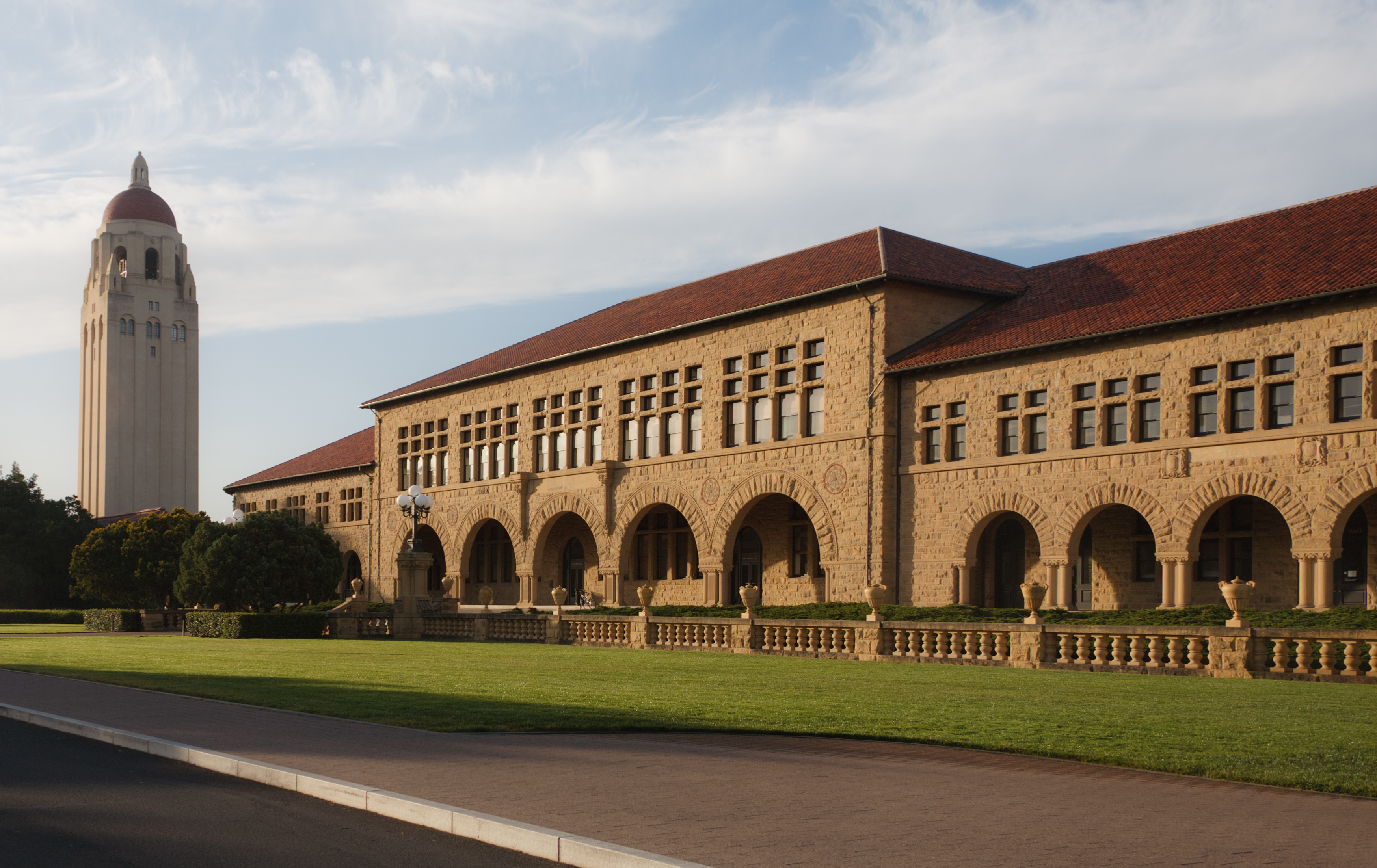
Hoover Institution
 United States
"Ideas Defining a Free Society"
About
The Hoover Institution on War, Revolution, and Peace, commonly called the Hoover Institution, is a public policy think tank and research institute based at Stanford University. It champions personal and economic liberty, free enterprise, and limited government. While officially part of Stanford, the institution operates with an independent board of overseers and funds itself through its endowment and donations. Political observers frequently label it as conservative, though its research spans a range of perspectives.
Founded in 1919 by Herbert Hoover, the institution began as a library and archive dedicated to documenting the causes and consequences of World War I. Over the decades, it evolved into one of the most influential policy research centers in the United States, attracting scholars like Milton Friedman, Thomas Sowell, and Condoleezza Rice. Its Library & Archives hold over one million volumes and 60 million items, including the papers of U.S. presidents, Nobel laureates, and world leaders.
The institution's work is organized around four core areas: American Institutions, Economic Policy, History and Archives, and International Relations. Through its research, publications, and events, it aims to shape public debate and influence policy on issues ranging from national security to economic competitiveness. Its popular video series Uncommon Knowledge features interviews with scholars and public figures, reaching a broad audience.
Mission
The Hoover Institution's mission is to advance policy ideas that promote economic opportunity and prosperity, while securing and safeguarding peace for America and all mankind. Its core principles are rooted in personal, economic, and political freedom, free enterprise, and limited constitutional government. The institution seeks to generate knowledge and ideas that improve the human condition and to preserve the historical record of war, revolution, and peace for future generations.
History
Herbert Hoover founded the institution in 1919 while serving as chairman of the Commission for Relief in Belgium. He had amassed a vast collection of documents, pamphlets, and firsthand accounts of World War I and its aftermath. Hoover donated these materials to Stanford University to establish a repository that would preserve the history of the conflict and the social upheavals that followed. His stated goal was to help future generations understand the causes of war and the ways to preserve peace.
For its first few decades, the institution operated primarily as a library and archive. The dedication of Hoover Tower in 1941 gave it a physical landmark on campus. In 1956, Hoover formalized the institution's mission as a center for research and publication on the great issues of the 20th century. Under Director W. Glenn Campbell in the 1960s and 1970s, the institution transformed into a major public policy think tank, attracting prominent conservative and libertarian scholars. This shift was controversial but established the institution as a key player in American intellectual life.
The institution's archives proved invaluable in documenting the fall of the Soviet Union in 1989, as its holdings on communism and totalitarianism were among the most comprehensive in the world. In the 2000s, it expanded its digital presence and launched major policy initiatives on health care, education, and national security. Condoleezza Rice became director in 2020, the first woman and first African American to hold the role, signaling a continued commitment to shaping policy in a changing world.
Subdivisions
Research and Policy Programs
Organized into four areas: American Institutions, Economic Policy, History and Archives, and International Relations. Includes multiple task forces and working groups.
Hoover Institution Library & Archives
One of the world's most significant repositories on political, social, and economic change, holding over one million volumes and 60 million archival items.
Hoover Press
The institution's publishing arm, producing books, essays, and policy briefs.
Uncommon Knowledge
A popular video and podcast series featuring interviews with scholars and public figures.
Notable People
Herbert Hoover
Founder · 1919-1964
31st President of the United States; established the institution as a library and archive.
Milton Friedman
Senior Fellow · 1977-2006
Nobel laureate economist; influential in shaping free-market policies.
Condoleezza Rice
Director · 2020-present
First woman and first African American to lead the institution; former U.S. Secretary of State.
Thomas Sowell
Senior Fellow · 1980-2016
Influential economist and social theorist; author of numerous books on race, culture, and economics.
Niall Ferguson
Senior Fellow · 2004-present
Historian; author of bestselling books on economic and military history.
Amy Zegart
Senior Fellow · 2014-present
Cybersecurity expert; co-director of the Center for International Security and Cooperation.
Milestones
1919
Founded by Herbert Hoover as a library at Stanford University.
1941
Dedication of Hoover Tower, which becomes the institution's iconic home.
1956
Herbert Hoover formally establishes the institution's mission as a research and publication center.
1960s-1970s
Under Director W. Glenn Campbell, the institution transforms into a major public policy think tank.
1989
Plays a key role in documenting the fall of the Soviet Union using its vast archives.
2020
Condoleezza Rice becomes the first woman and first African American to serve as Director.
Departments
Organization Info
- Founded
- 1919
- Headquarters
- Stanford, California
- Country
- United States
- Director
- Condoleezza Rice
- Parent
- Stanford University
- Type
- Research
- Founder
- Herbert Hoover
Financials
- Revenue
- $0.1 billion
- Endowment
- Over $400 million
- Employees
- 200-250
Official Website
hoover.org
Join the community
fans discussing