 Palestine
About
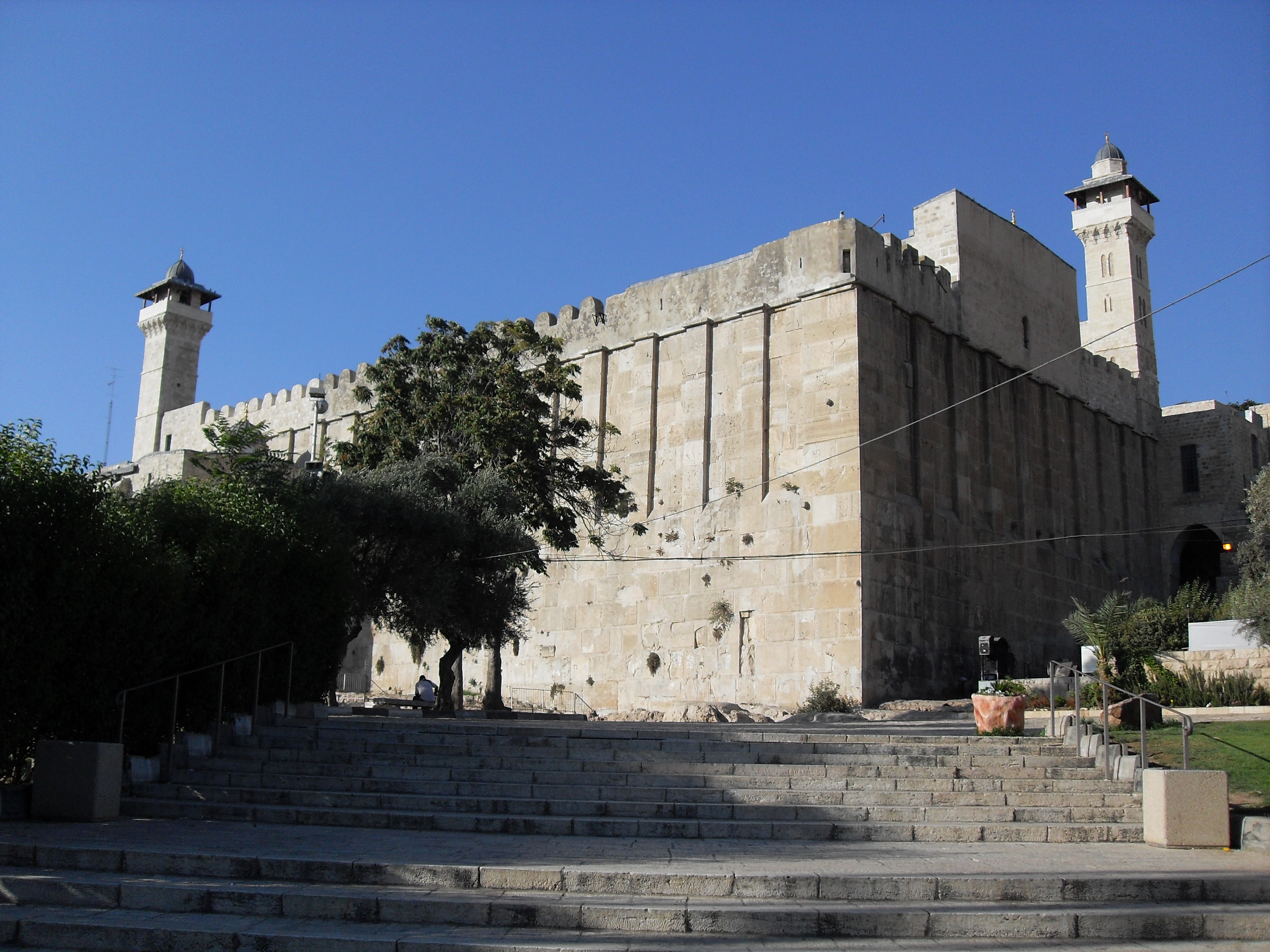
The Cave of the Patriarchs, known in Hebrew as Ma'arat HaMachpelah and in Arabic as al-Haram al-Ibrahimi, stands in the heart of Hebron, a city in the West Bank roughly 30 kilometers south of Jerusalem. It is not an organization in the conventional sense but a religious compound and archaeological monument, functioning simultaneously as a synagogue and a mosque. For Jews, it is the second holiest site after the Temple Mount; for Muslims, it is one of the most sacred places in the world, associated with the prophet Ibrahim. This dual identity makes it a focal point of pilgrimage, prayer, and political tension.
The site comprises a series of underground caves, over which a massive Herodian-era stone enclosure was built in the first century BCE. The structure has been modified over centuries, with significant additions from the Crusader, Mamluk, and Ottoman periods. According to tradition, the caves hold the remains of the biblical patriarchs and matriarchs: Abraham and Sarah, Isaac and Rebecca, and Jacob and Leah. Jewish tradition also holds that Adam and Eve are buried there. The building's architectural history was examined in a May 2026 study published in Humanities and Social Sciences Communications, a Nature-portfolio journal, which analyzed the Herodian heroon and its sources of inspiration.
Today, the site is under Israeli control, but its governance has been contested for decades. In 1994, a massacre by a Jewish extremist killed 29 Muslim worshippers, deepening the site's fraught history. In June 2026, Israel seized planning and construction powers from Palestinian authorities, altering the status quo that had been in place since the 1997 Hebron Agreement. The Cave of the Patriarchs remains a living symbol of the region's complexity, where every stone bears the weight of millennia.
Mission
The Cave of the Patriarchs serves as a place of prayer and pilgrimage for Jews, Muslims, and Christians, and as a historical and archaeological monument. It functions as a living intersection of faith traditions, with separate sections for Jewish and Muslim worship. The site also stands as a symbol of the region's religious and political dynamics, embodying the intertwined histories of Judaism and Islam in the Holy Land.
History
The site's recorded history spans roughly four thousand years, beginning with Abraham's purchase of the field and cave as a family burial plot, as recounted in Genesis. Jewish and Islamic traditions hold that the patriarchs and matriarchs were interred there, making it a revered pilgrimage destination. The Herodian enclosure was constructed in the first century BCE, and the structure was later expanded by Crusaders, Mamluks, and Ottomans, each leaving their mark.
The modern era brought administrative changes. The 1997 Hebron Agreement divided control over the city, with Palestinians retaining planning and construction authority and Israel maintaining security control over the shrine. In 1994, Baruch Goldstein's massacre of 29 Muslim worshippers at the site intensified tensions. In 2026, Israel seized planning and construction powers from the Palestinian Authority, a move that fundamentally altered the governance structure. The same year saw the beginning of extensive roofing and renovation works, including the installation of a canopy over the Jewish prayer area, which had been repeatedly refused by the Hebron Municipality.
As of August 2026, the site is undergoing unprecedented transformation, with Israel assuming full control over planning and construction, and significant government funding directed toward its development.
Subdivisions
Underground caves
The burial chambers believed to hold the remains of the patriarchs and matriarchs.
Herodian enclosure
The massive stone structure built during the reign of King Herod, forming the main building.
Ibrahimi Mosque section
The area used for Muslim prayer within the compound.
Jewish prayer area
The synagogue section used for Jewish worship, which underwent construction in 2026.
Crusader, Mamluk, and Ottoman additions
Later architectural modifications that expanded and altered the original structure.
Notable People
Abraham
Patriarch · c. 2000 BCE (traditional)
Purchased the cave and field as a burial plot, according to biblical tradition.
Baruch Goldstein
Perpetrator of 1994 massacre · 1994
Killed 29 Muslim worshippers at the site, an event that has fueled ongoing tension.
Bezalel Smotrich
Israeli Finance Minister · 2026
Allocated NIS 113 million for development of West Bank heritage sites, including the Cave of the Patriarchs.
Milestones
c. 2000 BCE (traditional)
Abraham purchases the cave and field as a burial plot.
1st century BCE
Herodian-era stone enclosure is constructed.
11th–12th centuries
Crusader modifications to the structure.
1994
Massacre by Baruch Goldstein kills 29 Muslim worshippers.
1997
Hebron Agreement establishes division of control over the city.
2026-05-19
Israeli Supreme Court issues rulings on construction at the site.
2026-06-16
Israel seizes planning and construction powers from Palestinian authorities.
2026-08
Finance Minister Smotrich allocates NIS 113 million for heritage site development.
Sources
Organization Info
- Headquarters
- Hebron, West Bank
- Country
- Palestine
- Type
- Other
- Location
- Hebron, West Bank
- Also known as
- Tomb of the Patriarchs, Cave of Machpelah, Ibrahimi Mosque
- Holiness in Judaism
- Second holiest site after the Temple Mount
- Holiness in Islam
- One of the most sacred sites
Join the community
fans discussing