 Pakistan
About
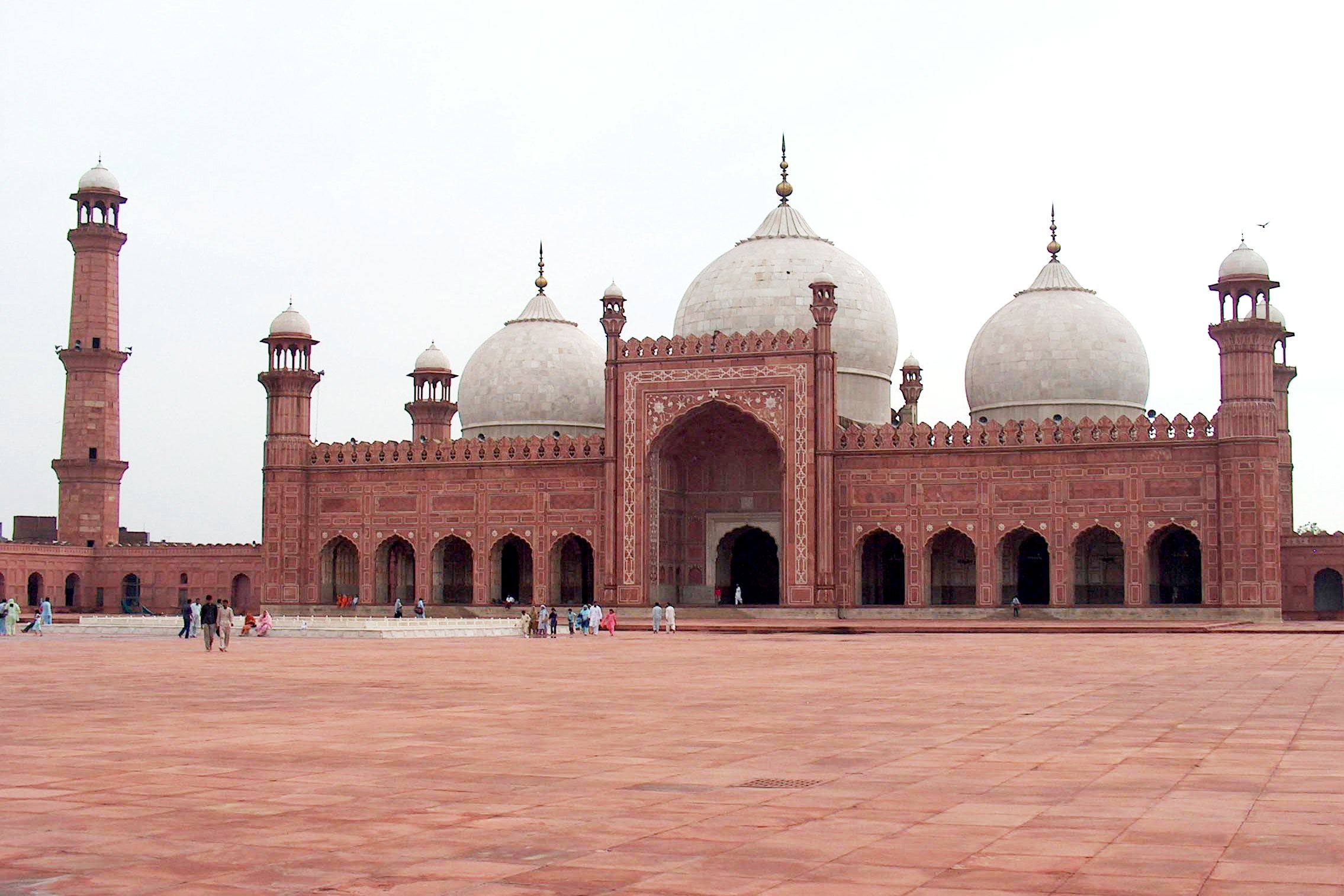
The Badshahi Mosque, a grand Mughal-era imperial mosque, stands as a powerful symbol of Lahore's rich history. Built between 1671 and 1673 by Emperor Aurangzeb, it faces the Lahore Fort and anchors the northern edge of the Walled City. Its massive red sandstone walls and marble inlay make it a stunning example of Mughal architecture, and it remains one of Pakistan's most visited landmarks.
This mosque was the largest in the world when completed, a title it held for centuries. Its courtyard alone can accommodate over 100,000 worshippers, a testament to the empire's ambition and the importance of public worship. The design, with its four minarets and three marble domes, has influenced countless buildings across the subcontinent. Today, it serves as a working mosque, a tourist attraction, and a venue for major Islamic events, drawing visitors from around the globe who come to admire its scale and beauty.
Mission
The Badshahi Mosque serves as an active place of worship and a guardian of Mughal heritage. Its mission is to provide a spiritual home for the Muslim community, host religious gatherings, and preserve the architectural and historical significance of the site for future generations. The Auqaf & Religious Affairs Department of Punjab oversees this, ensuring the mosque remains a living monument.
History
Commissioned by Emperor Aurangzeb, the sixth Mughal ruler, the Badshahi Mosque represents the final evolution of Mughal mosque architecture. Construction began in 1671 and wrapped up just two years later, in 1673. The emperor tapped court architect Bade Dalal to bring the vision to life. When completed, the mosque was the largest in the world, a record it held for centuries.
The structure sits opposite the Lahore Fort, on a raised platform reached by 22 steps from the east. Its red sandstone walls are inlaid with marble, and the main gateway is a double-storey entrance adorned with carved panels. Over the years, the mosque has witnessed the rise and fall of empires, survived colonial rule, and now stands as a proud emblem of Lahore's Mughal past.
Notable People
Aurangzeb
Founder · 1671-1673
Commissioned the construction of the mosque
Bade Dalal
Architect · 1671-1673
Oversaw the architectural design and construction
Milestones
1671-1673
Construction by Emperor Aurangzeb
1673
Became the largest mosque in the world
1993
Added to UNESCO's Tentative World Heritage List
Sources
Organization Info
- Founded
- 1671
- Headquarters
- Lahore, Punjab, Pakistan
- Country
- Pakistan
- Type
- Religious
- Founder
- Aurangzeb
Join the community
fans discussing