 Australia
About
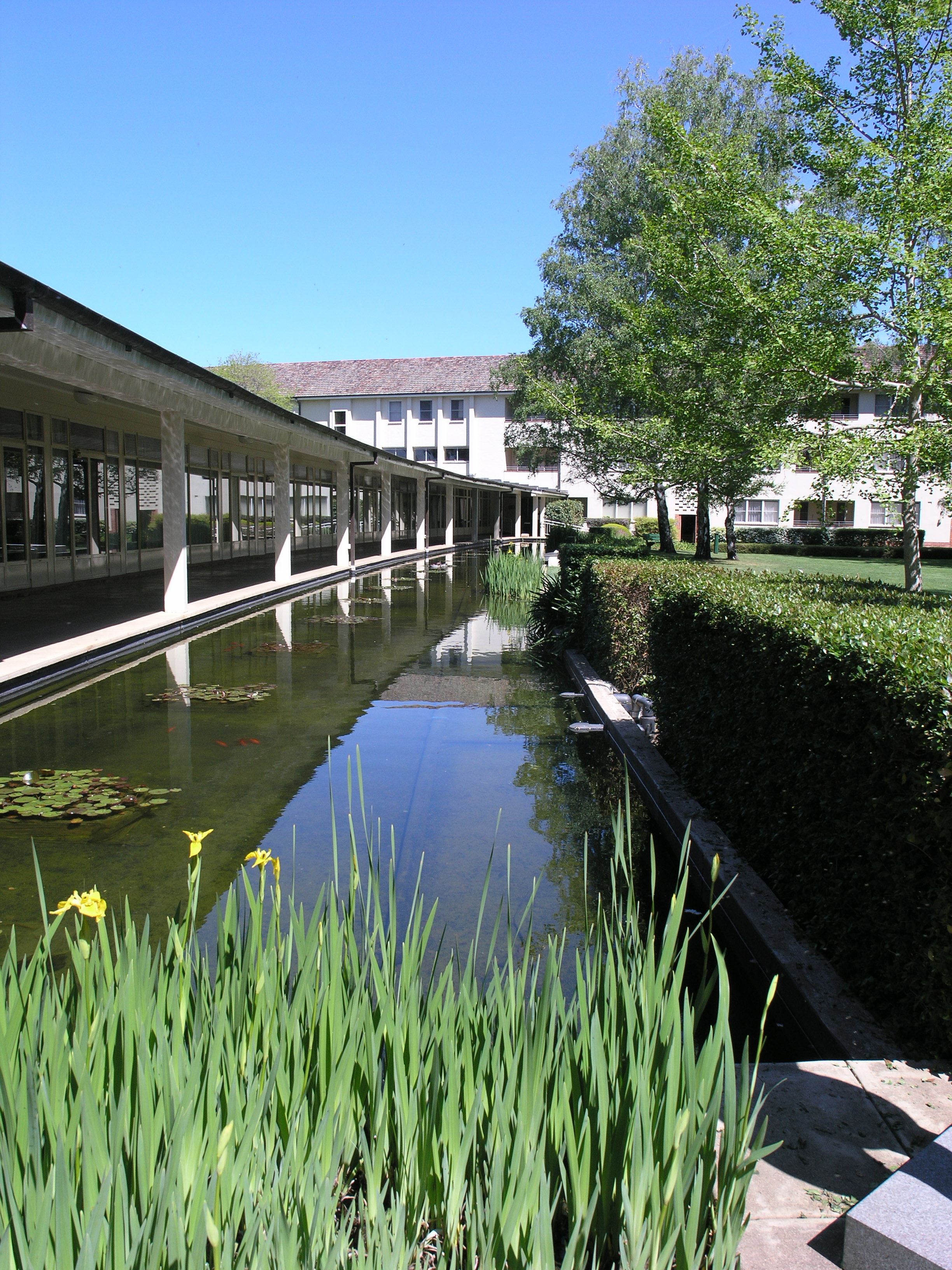
The Australian National University (ANU) is a public research university in Canberra, Australia's capital. It holds the unique distinction of being the only university in the country established by an act of federal parliament, which happened in 1946. This national mandate shapes its character: ANU has always been a research powerhouse, with close ties to the Australian government and a mission to serve the nation's intellectual needs. The main campus sits in the suburb of Acton, and the university is a member of the Group of Eight, the coalition of Australia's leading research universities.
ANU consistently ranks among the top universities globally. In the QS World University Rankings 2027, it climbed to 29th place, and it features prominently in the US News Best Global Universities list. The university's research output spans fields from astrophysics to public policy, and its alumni include prime ministers, Nobel laureates, and leading scientists. As of 2026, ANU employs over 5,000 staff and reports annual revenue of about $1.6 billion, though it has also faced financial and reputational challenges in recent years.
The university is organized into seven teaching and research colleges, plus several national academies and institutes. Its location in Canberra places it at the heart of Australian political life, and it has a long history of influencing national policy. ANU also maintains a strong international presence, with partnerships and events that connect its research to global conversations, such as a recent collaboration with the Embassy of Greece on the influence of ancient Greek law on modern legal systems.
Mission
ANU's mission is to advance knowledge and serve Australia through research and education of the highest caliber. As the national university, it aims to be a leader in research that addresses the country's most pressing challenges, from climate change to public health. The university is committed to fostering a vibrant intellectual community, attracting top scholars and students from around the world, and contributing to public policy and national development.
At its core, ANU strives to uphold the values of excellence, integrity, and inclusivity. Its research and teaching are designed to produce graduates who are critical thinkers and engaged citizens. The university also recognizes its responsibility to engage with the broader community, both in Canberra and nationally, and to ensure that its work has a tangible impact on society.
History
The story of ANU begins in the aftermath of World War II. In 1946, the federal parliament passed the Australian National University Act, creating a university with a national mandate to conduct research and train the next generation of leaders. The university's founders envisioned it as a place where the best minds could pursue fundamental research without the constraints of state boundaries. Two years later, in 1948, the first students arrived, and the university began to take shape on the Acton campus.
ANU's early years were marked by the establishment of four research schools: the John Curtin School of Medical Research, the Research School of Physical Sciences, the Research School of Social Sciences, and the Research School of Pacific Studies. These schools attracted prominent scholars from around the world, including Nobel laureates like Sir John Eccles and Howard Florey. In 1960, ANU merged with Canberra University College, which had been offering undergraduate courses since 1929. This merger expanded the university's teaching mission, and by the 1960s, ANU was offering a full range of undergraduate and postgraduate programs.
Over the decades, ANU grew in size and reputation. It became a member of the Group of Eight in 1999, cementing its status among Australia's elite universities. The university also developed strong ties to the Australian government, with many of its alumni going on to serve in senior public service roles. In 2020, a severe hailstorm damaged the iconic University House, a heritage-listed building that has served as a social and ceremonial hub since 1954. The building has been undergoing restoration and is set to reopen in 2026, just in time for ANU's 80th anniversary celebrations.
Recent years have brought challenges. The university has faced financial difficulties, with an audit office report revealing significant cost-cutting and a $100 million cleanup. Leadership turmoil, including the resignation of Chancellor Julie Bishop in May 2026, has added to the turbulence. Yet ANU continues to produce groundbreaking research and remains a vital institution in Australia's intellectual landscape.
Subdivisions
ANU College of Arts and Social Sciences
Focuses on humanities, social sciences, and creative arts, including the School of Art and Design.
ANU College of Asia and the Pacific
Dedicated to the study of Asia and the Pacific region, with expertise in international relations and development.
ANU College of Business and Economics
Offers programs in business, accounting, economics, and finance, with a strong research focus.
ANU College of Engineering and Computer Science
Covers engineering, computer science, and cybernetics, with cutting-edge research in AI and robotics.
ANU College of Health and Medicine
Includes the John Curtin School of Medical Research and the National Centre for Epidemiology and Population Health.
ANU College of Law
One of Australia's leading law schools, known for its research in constitutional and international law.
ANU College of Science
Encompasses the sciences, including physics, chemistry, biology, and earth sciences, with major research facilities.
Milestones
1946
Australian National University established by federal parliament.
1948
First students arrive at the Acton campus.
1960
Merger with Canberra University College.
1999
Becomes a member of the Group of Eight.
2020
University House severely damaged by hailstorm.
2026
ANU celebrates 80th anniversary; University House reopens.
Sources
Organization Info
- Founded
- 1946-01-01
- Headquarters
- Canberra
- Country
- Australia
- Type
- University
- Employees
- 5154
Financials
- Revenue
- $1.6 billion
- Employees
- 5154
Official Website
www.anu.edu.au/
Join the community
fans discussing