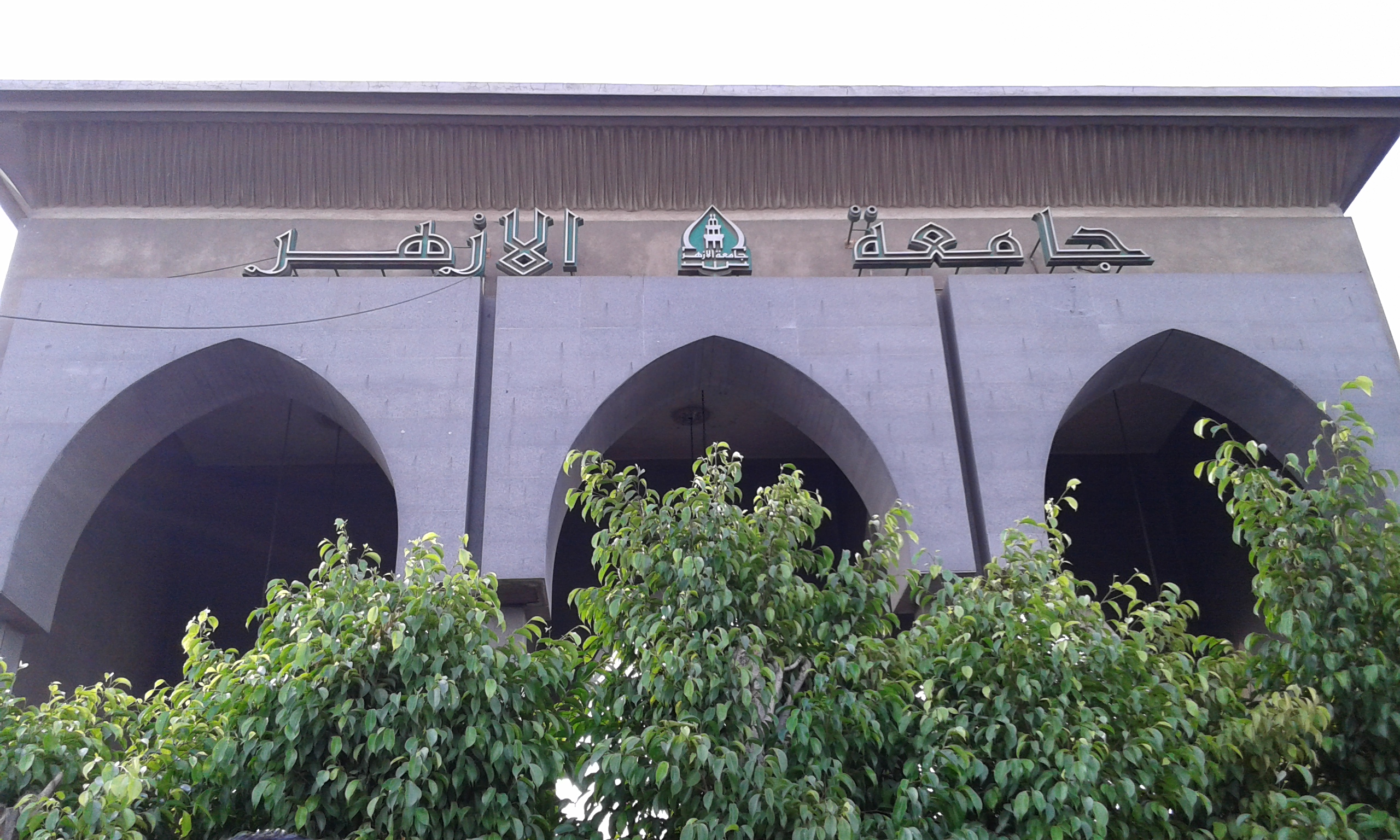
Al-Azhar University
 Egypt
Egypt"Premier institution of Sunni Islamic learning"
About
Al-Azhar University, situated in the heart of Cairo, is among the oldest continuously operating universities in the world and the foremost seat of Sunni Islamic scholarship. Its roots reach back to 970 CE, when the Fatimid Caliphate founded the Al-Azhar Mosque in the newly established city of Cairo. Over the centuries, the mosque's study circles evolved into a formal degree-granting institution, and today the university combines traditional religious disciplines with modern faculties in medicine, engineering, and the natural sciences.
The university operates under the umbrella of Al-Azhar al-Sharif, a broader religious and educational complex led by the Grand Imam. It maintains a network of affiliated schools and institutes across Egypt, educating roughly two million students nationwide. International students come from around the world, many passing through the dedicated Center for Education Development for Envoys and Foreign Students, which offers intensive Arabic and Sharia preparation. Recent additions such as an Indonesian Language Department reflect its continuing international reach.
Al-Azhar's influence extends well beyond academia. Its religious edicts and positions carry weight across the global Muslim community, and its scholars have shaped Islamic jurisprudence and theology for more than a millennium. At the same time, the university has faced scrutiny over its political independence, with reports of pressure from the Egyptian state on sensitive geopolitical issues. Balancing tradition with contemporary demands remains an ongoing challenge.
Mission
Al-Azhar University's mission centers on the preservation and advancement of Islamic scholarship, the Arabic language, and Sharia law. It seeks to produce scholars and professionals who are grounded in traditional religious knowledge yet equipped to engage with modern scientific and intellectual challenges. The university also aims to foster intercultural and interfaith dialogue, as seen in its collaborations with international bodies such as the International Committee of the Red Cross. By welcoming students from diverse backgrounds, it aspires to serve the global Sunni community as a source of religious guidance and academic excellence.
History
The story of Al-Azhar University begins with the founding of the Al-Azhar Mosque in 970 CE by the Fatimid Caliphate, which had just established Cairo as its capital. The mosque was designed to serve as a center for religious instruction, and its study circles quickly attracted scholars and students from across the Islamic world. By 972 CE, the institution had taken shape as a formal educational establishment, although it would take centuries for it to develop into a full-fledged university with standardized curricula and degrees.
Under the Ayyubid dynasty (1171–1250), the university shifted from its Ismaili Shia roots to Sunni orthodoxy, a transition that solidified its lasting identity as a bastion of Sunni learning. During the Mamluk period (1250–1517), Al-Azhar's prestige grew, and it became the primary intellectual hub of the Islamic world, attracting scholars from Spain to India. The Ottoman era (1517–1798) saw the university expand its curriculum to include logic, philosophy, and mathematics alongside traditional religious subjects.
The 19th and 20th centuries brought significant modernization. In 1872, Al-Azhar introduced formal examinations and degree programs, aligning itself more closely with modern university standards. The Egyptian government increasingly took control of its administration, and in 1961, President Gamal Abdel Nasser nationalized the university and added secular faculties such as medicine, engineering, and agriculture. This move transformed Al-Azhar into a comprehensive public university while retaining its religious mission. Since then, it has continued to expand, opening new campuses and departments, including a recent Indonesian Language Department in 2026.
Subdivisions
Faculty of Islamic Theology
Core faculty for the study of Islamic doctrine and theology.
Faculty of Sharia and Law
Focuses on Islamic jurisprudence and legal studies.
Faculty of Arabic Language
Dedicated to Arabic linguistics and literature.
Faculty of Medicine
Offers medical education and training.
Faculty of Engineering
Provides engineering programs across multiple disciplines.
Faculty of Science
Covers natural sciences and mathematics.
Al-Azhar Institute of Arabic
Provides up to two years of intensive Arabic language training for international students.
Center for Education Development for Envoys and Foreign Students
Prepares international students for academic study through language and cultural programs.
Notable People
Ahmed El Tayeb
Grand Imam of Al-Azhar · 2010-present
Supreme religious authority for the Al-Azhar institution.
Mahmoud Sadiq
Acting President · 2026-present
Appointed as Acting President in July 2026.
Habib Abu Jumaa
Professor Emeritus · Unknown
Honored in 2026 for helping move college furniture.
Milestones
970 CE
Founding of the Al-Azhar Mosque in Cairo.
972 CE
Establishment of the university associated with the mosque.
1171
Transition from Ismaili Shia to Sunni orthodoxy under Ayyubid rule.
1872
Introduction of formal examinations and degree programs.
1961
Nationalization and addition of secular faculties.
2026-05
Seminar with the International Committee of the Red Cross on humanitarian law and Islamic Sharia.
2026-06
Opening of the Indonesian Language Department.
2026-07
Appointment of Dr. Mahmoud Sadiq as Acting President.
Departments
Sources
Organization Info
- Founded
- 970 CE
- Headquarters
- Cairo
- Country
- Egypt
- Acting President
- Mahmoud Sadiq
- Parent
- Al-Azhar al-Sharif
- Type
- University
- QS World Ranking 2027
- 1001-1200
- U.S. News Global Ranking
- #279
Official Website
www.azhar.edu.eg
Join the community
fans discussing