 Palestine
About
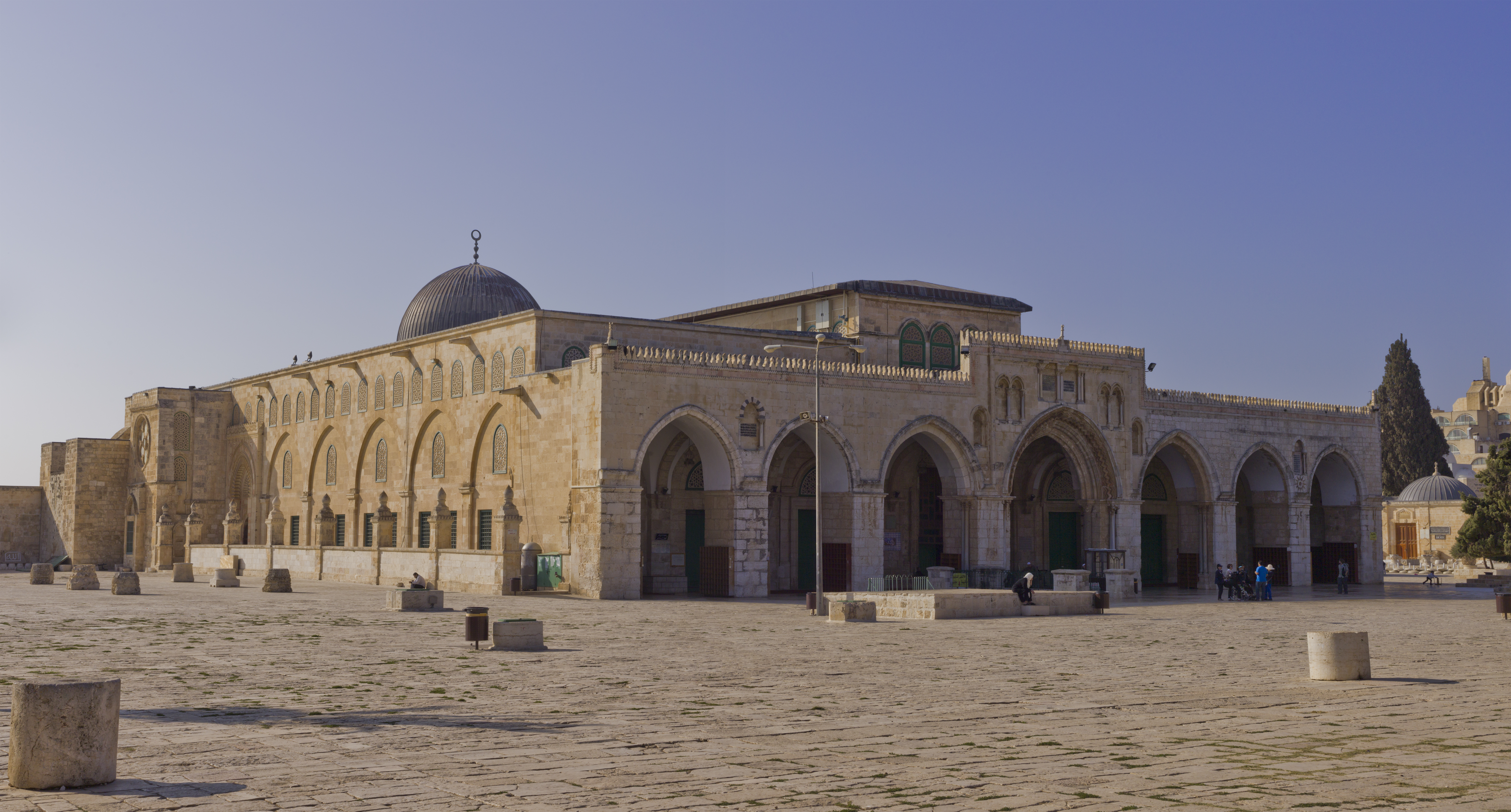
Al-Aqsa Mosque, often called the Qibli Mosque, is the primary prayer hall within the larger Al-Aqsa compound in Jerusalem's Old City. This compound, known to Muslims as al-Haram al-Sharif or the Noble Sanctuary, holds deep religious significance and is considered one of Islam's holiest sites. While the name 'al-Aqsa Mosque' sometimes refers to the entire 35-acre esplanade, it specifically denotes the silver-domed structure at the southern end, a landmark visible across the city.
The mosque's history is layered with conquest, rebuilding, and reverence. According to Islamic tradition, the site is where the Prophet Muhammad led prayers during his Night Journey, making it the first qibla before Mecca. The current structure dates to the 8th century, built under the Umayyad caliph Abd al-Malik, and has undergone numerous renovations after earthquakes and crusades. Its distinctive facade, with its intricate mosaics and marble columns, reflects Byzantine and early Islamic architectural influences.
For Muslims worldwide, Al-Aqsa is a living symbol of faith and resilience. It attracts thousands of worshippers, especially during Ramadan, and remains a focal point of political and religious tensions in the region. The compound's management is overseen by the Jordanian-led Jerusalem Islamic Waqf, while Israeli authorities control access, an arrangement that continues to shape daily life and international diplomacy.
Mission
Al-Aqsa Mosque serves as a vibrant center for daily prayer, Friday congregational worship, and pilgrimage, welcoming thousands of worshippers throughout the year. It also functions as a repository of Islamic knowledge through the Al-Aqsa Library, preserving manuscripts and historical texts. For Muslims worldwide, the mosque embodies the continuity of faith and the enduring connection to Jerusalem, acting as a spiritual anchor and a symbol of resilience.
History
The story of Al-Aqsa Mosque begins in the seventh century CE when the Umayyad caliph Abd al-Malik ordered its construction. Completed around 705-710 CE under his successor, Caliph al-Walid, the mosque was built roughly twenty years after the nearby Dome of the Rock, making it the oldest surviving Islamic structure in the world. The site's sacredness comes from the Islamic belief that the Prophet Muhammad led prayers there during his Night Journey from Mecca to Jerusalem.
Over the centuries, the mosque has endured earthquakes, fires, and the Crusades. In 1187, Saladin recaptured Jerusalem and installed the famous Minbar, a carved pulpit that stood for centuries until it was destroyed by arson in 1969. The current structure, with its silver dome and Byzantine-influenced facade, reflects multiple renovations and restorations. After the 1967 war, Israel took control of East Jerusalem, but the compound remained under the administration of the Jordanian-led Islamic Waqf, a status quo that continues today.
In recent decades, Al-Aqsa has been a flashpoint for conflict. Israeli authorities control access, while far-right groups have made provocative visits, sparking international outrage. The mosque remains a powerful symbol of Palestinian identity and Muslim devotion, drawing worshippers and visitors from around the world.
Subdivisions
Qibli Mosque
The main congregational prayer hall, also known as Al-Aqsa Mosque proper.
Dome of the Rock
A separate, iconic structure on the same esplanade, built in 691 CE.
Al-Aqsa Library
A repository of Islamic manuscripts and historical texts within the compound.
Notable People
Minbar of Saladin
Historic pulpit · 1187
Installed after Saladin's reconquest of Jerusalem; a masterpiece of Islamic woodwork.
Al-Aqsa Library
Library
Holds thousands of manuscripts and rare books, serving as a key Islamic research center.
Milestones
705-710 CE
Construction completed under Umayyad Caliph al-Walid.
1187
Saladin's reconquest of Jerusalem; Minbar of Saladin installed.
1967
Israeli occupation of East Jerusalem; status quo arrangement established.
1969
Arson attack damages the Minbar and parts of the mosque.
2026-08-04
Jordan convenes emergency meeting of Arab and Muslim ministers over threats to the site.
Sources
Organization Info
- Founded
- 710
- Headquarters
- Old City, East Jerusalem
- Country
- Palestine
- Custodian
- Jerusalem Islamic Waqf
- Parent
- Jerusalem Islamic Waqf
- Type
- Religious
- Capacity
- Over 5,000 worshippers
- Architectural style
- Umayyad, Byzantine influence
Official Website
www.visitmasjidalaqsa.com/
Join the community
fans discussing