 Japan

“A hilarious, heartwarming, and utterly original zombie comedy that proves you don't need a big budget to make a great film.”
Peter Debruge
Variety
Part of a Collection
One Cut of the Dead Collection
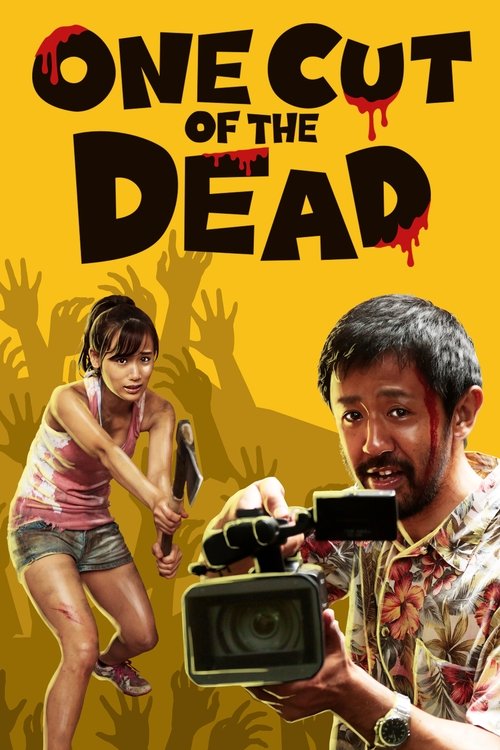
A low-budget horror movie crew gathers in a dusty, abandoned warehouse to shoot a zombie film, only to find the undead actually walking among them. Director Higurashi and his ragtag team of actors and technicians face real monsters while trying to keep their camera rolling. The production was a massive gamble for director Shinichiro Ueda, who spent just over fifty thousand dollars to make this story.
That tiny investment eventually grew into a twenty-seven million dollar box office hit that redefined what indie horror could achieve. The film blends slapstick comedy with genuine terror through a structure that keeps audiences guessing until the final reel.
Stream
Rent
Availability and pricing can change. Confirm on the provider's site before purchasing.
The story opens on November 4, 2017, at an industrial warehouse in Chiba Prefecture where the crew of Panpokopina is scrambling to finish their zombie movie. Director Satoru Higurashi stands behind the monitor, shouting instructions as the clock ticks toward midnight. He needs one perfect take to save his career before being forced out of the industry. His cast includes Nao, a pregnant former idol; Chinatsu, a makeup artist with a mysterious past; and Shinichiro Furusawa, a cameraman trying to redeem his reputation after multiple firings. The group has barely any money left for food or gas, and tensions run high as they rehearse a complex single-take sequence involving survivors cornered by the undead.
As the sun sets, the crew begins filming the climax. They move through dark corridors and cramped rooms, acting out a scripted battle against zombies played by extras in cheap costumes. Suddenly the rhythm breaks when the "zombies" stop following choreography. Their movements become erratic and violent, and blood appears on the set without any props. Panic spreads faster than the infection. Higurashi refuses to call cut, insisting that the camera must keep rolling even as the line between fiction and reality dissolves completely. The handheld footage captures raw fear as the cast runs for their lives, stumbling over equipment and screaming into microphones.
The survivors huddle together in the basement, trying to figure out why the monsters are so aggressive. They discover that the zombies seem to react to the sound of the camera and the direction of the lens. The narrative shifts from a standard horror survival story to a meta-commentary on the filmmaking process itself. Every decision they make affects the outcome of the scene, and the pressure to get the shot creates a unique dynamic where the characters must perform even while terrified. The tension builds as the group realizes they cannot escape the warehouse without finishing the take that started it all.
Hours pass as the night deepens. The crew faces impossible choices about who gets saved and who stays behind. The chaos outside mirrors the internal conflicts within the group, forcing everyone to confront their own failures and regrets. The camera becomes both a weapon and a shield, capturing moments of bravery and cowardice alike. As dawn approaches, the group prepares for a final stand that will determine whether they survive the night or become part of the film forever. The stakes have never been higher, and the audience waits to see if the "one cut" will ever happen.
"One Cut of the Dead" English subtitled Trailer
Critical Consensus
One Cut of the Dead masterfully blends horror and comedy while subverting genre expectations with a clever narrative. Its unique structure and heartfelt character development elevate it beyond typical zombie fare, making it a standout indie hit that resonates with audiences worldwide.
“A hilarious, heartwarming, and utterly original zombie comedy that proves you don't need a big budget to make a great film.”
Peter Debruge
Variety
“One Cut of the Dead is a triumph of ingenuity, turning a tiny budget into a massive emotional impact.”
David Ehrlich
IndieWire
“This film is a love letter to cinema, celebrating the magic of storytelling and the power of collaboration.”
A.O. Scott
The New York Times
“A perfect example of how constraints can breed creativity, resulting in a film that is both funny and deeply moving.”
Mark Kermode
The Guardian
Takayuki Hamatsu
Director Higurashi
Yuzuki Akiyama
Chinatsu
Kazuaki Nagaya
Kazuaki Kamiya
Harumi Shuhama
Nao
Mao
Mao Higurashi
Hiroshi Ichihara
Kasahara
Manabu Hosoi
Manabu Hosoda
Shuntarô Yamazaki
Toshisuke Yamago
Shinichiro Osawa
Shinichiro Furusawa
Donguri
Yoshiko Sasahara
Director
Shinichiro Ueda
Writers
Ryoichi Wada, Shinichiro Ueda
Composers
Nobuhiro Suzuki, Shôma Itô, Kyle Nagai
Cinematographer
Takeshi Sone
Producer
Koji Ichihashi
Sitges Film Festival (2018)
Best Film: Winner
Fantasia International Film Festival (2018)
Best Feature Film: Winner
Puchon International Fantastic Film Festival (2018)
Grand Prize: Winner
Austin Fantastic Fest (2018)
Best Screenplay: Winner
Japan Academy Prize (2019)
Outstanding Achievement in Animation: Nominated
Join the community
fans discussing