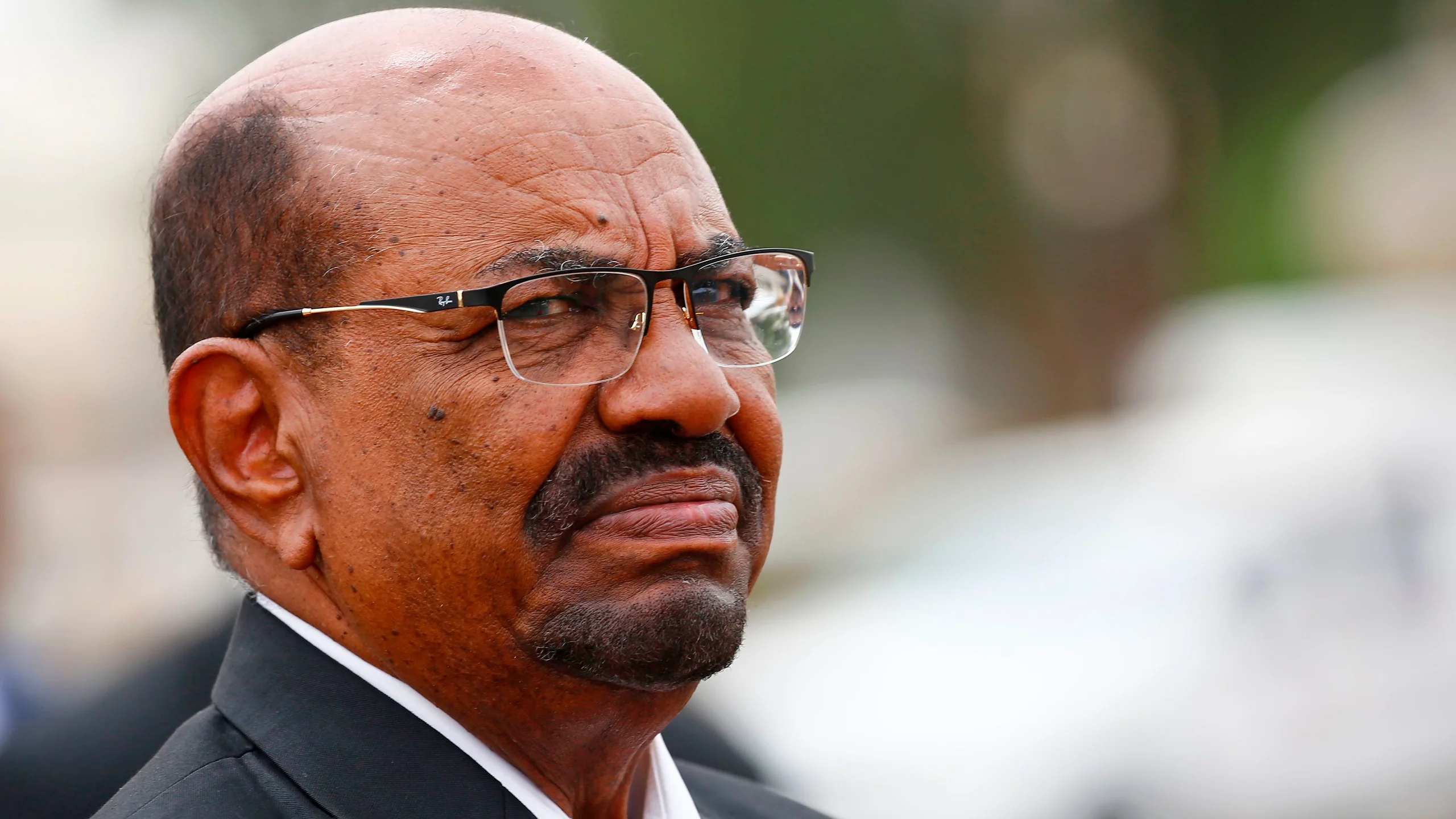
Omar al-Bashir
 Sudan
SudanAlso known as: Omar Hassan Ahmad al-Bashir, El Bashir
Birthday
January 1, 1944
Birth Sign
Capricorn
Birthplace
Hosh Bannaga, Sudan
Age
82 years old
About
Omar Hassan Ahmad al-Bashir is a former military officer and politician who served as the head of state of Sudan for nearly thirty years. Born in the northern village of Hosh Bannaga, he rose through the ranks of the Sudanese Army to become a brigadier general before leading a bloodless coup on June 30, 1989. This event ousted Prime Minister Sadiq al-Mahdi and installed al-Bashir as the Chairman of the Revolutionary Command Council, a title he later converted to President in 1993.
His three-decade rule ended abruptly on April 11, 2019, following months of mass protests led by the Forces of Freedom and Change. The demonstrations forced the military to depose him after he had consolidated power under the National Congress Party. Today, he remains in custody in Sudan, facing multiple domestic convictions for corruption while awaiting potential transfer to the International Criminal Court regarding charges from the Darfur conflict.
Early Life & Background
Born into a rural family in Hosh Bannaga, Omar Hassan Ahmad al-Bashir spent his early years in a region that would shape his future political and military outlook. He joined the Sudanese Army in the 1960s, where he received formal military education and training at the Sudan Military Academy. His career began with standard duties within the army hierarchy, but his trajectory shifted significantly during the late 1980s. During this period, he aligned himself with the National Islamic Front (NIF), an Islamist political movement that provided the ideological framework for his eventual rise to power.
The alliance with the NIF proved pivotal. While maintaining his loyalty to the military structure, al-Bashir increasingly advocated for an Islamist agenda within the armed forces. This positioning allowed him to build a network of support among key officers who shared his vision for the country. By 1989, he had positioned himself as a central figure capable of orchestrating a change in government. The groundwork laid during these years, combining military rank with political ideology, set the stage for the coup that would remove Prime Minister Sadiq al-Mahdi and install him as the leader of Sudan.
Career Growth
On June 30, 1989, al-Bashir led a military coup that successfully ousted Prime Minister Sadiq al-Mahdi. He initially assumed the role of Chairman of the Revolutionary Command Council for National Salvation before formally taking the title of President in 1993. To solidify his control, he founded the National Congress Party (NCP) in 1998, which became the dominant political force in the country for two decades. His administration oversaw significant events, including the signing of the Comprehensive Peace Agreement in 2005, which ended the Second Sudanese Civil War and paved the way for South Sudan's independence in 2011.
However, his tenure is most infamously associated with the outbreak of conflict in Darfur in 2003. The government's response involved the use of Janjaweed militias, leading to widespread atrocities against civilians. In 2009 and 2010, the International Criminal Court issued arrest warrants against him for war crimes, crimes against humanity, and genocide, making him the first sitting head of state to be indicted by the court. Despite these international pressures, he remained in power until April 11, 2019, when a popular uprising forced the military to depose him. Following his removal, he was held under house arrest and later transferred to a military hospital. In December 2019, a Sudanese court convicted him of corruption related to the 1989 coup and sentenced him to two years in prison. As of 2026, he remains incarcerated in Sudan, with reports indicating he is being held at a medical facility in Khartoum or northern Sudan for treatment.
Career Timeline
Public Image & Style
In international media, al-Bashir is portrayed as a dictator responsible for one of the worst humanitarian crises of the 21st century. His aesthetic was formal and traditional, often wearing military uniforms or suits to project an image of authority. Domestically, supporters viewed him as a strongman who protected Sudan's sovereignty, while opponents saw him as a tyrant. His social media presence was minimal and controlled, with official accounts used primarily for propaganda. The narrative surrounding him shifted dramatically after his ouster, with coverage focusing on his legal battles and the shadow his regime cast over peace talks in Sudan.
Fame & Fandom (iFAMOUS Rankings)
iFANN has not yet collected fame data for this person. While he commanded a vast nation for thirty years, there is no organized fandom associated with him. Some individuals may identify as loyalists due to shared Islamist ideologies or patronage networks, but this refers to political alignment rather than a cultural fanbase engaging in campaigns or charity drives. The term "Bashir loyalists" appears in political analysis to describe allies who supported his regime, but no formal fan organization exists. Unlike pop stars or athletes, his legacy is defined by political history and international justice rather than fan culture.
Interesting Facts and Legends
Omar al-Bashir holds the distinction of being the first African head of state to be indicted by the International Criminal Court. His visual identity often included a distinctive beard and turban, which became recognizable symbols of his leadership style. Despite his global notoriety, he rarely traveled outside Africa, limiting his international appearances to diplomatic visits in Arab and Muslim-majority countries. One of the most iconic moments of his downfall occurred in 2019 when images circulated globally showing him being dragged away by soldiers during the ouster. Another notable incident involved his appearance at the UN General Assembly in 2011, where he defended his record despite the pending genocide charges. A viral moment also occurred when he famously stated, "The Janjaweed are our brothers," drawing intense international condemnation during the height of the Darfur crisis.
Notable Quotes
“The Janjaweed are our brothers.”
“I am not a criminal.”
“They cannot touch me.”
Family & Personal Life
Al-Bashir has maintained an extremely low profile regarding his private affairs throughout his long public career. There are no verified public records or credible media reports detailing specific romantic partners, dating history, or marriages. While reports suggest he has several sons and daughters, the identities of their mothers and the nature of his marital status have never been publicly confirmed by reliable sources. The scarcity of information is consistent with the culture of secrecy surrounding Sudanese leadership during his era. Consequently, no detailed account of his household or family stories exists in the public domain.
Notable Connections
Relationships & Dating History
Omar al-Bashir has maintained an extremely low profile regarding his private life, leaving no verified public records of romantic relationships. There are no credible media reports or official biographies detailing specific dating history, engagements, or marriages. While he is known to have children, the identities of their mothers and his marital status remain unconfirmed by reliable sources. The scarcity of information is consistent with the culture of secrecy surrounding Sudanese leadership during his era. As of 2026, his relationship status is officially unknown to the public, though it is generally assumed he remains focused on his legal situation rather than any romantic entanglements.
Salary, Net Worth In 2026
$75 Million
iFANN Editorial Team estimate
Estimates for Omar al-Bashir's net worth remain speculative due to the opaque nature of Sudan's economy and his isolation from international financial systems. Unlike celebrity wealth calculations, there are no credible financial disclosures for al-Bashir. Some sources suggest his personal fortune could range from $50 million to $100 million, derived from state funds and alleged corruption during his tenure. However, others argue his actual liquid assets are negligible given his long-term imprisonment and the seizure of state assets. No major financial outlets provide a definitive 2026 figure. Research by the iFANN Editorial Team puts his estimated net worth at around $75 Million, reflecting the uncertainty and lack of verifiable data regarding his current holdings.
Awards & Accolades
View 1 records, honours and achievementsKnown For
Sudanese Civil War
2005 · Head of State
Darfur Conflict
2003 · President
1989 Coup
1989 · Leader
Keywords
Sources
Quick Facts
- Profession
- politician
- Born
- January 1, 1944
- Birthplace
- Hosh Bannaga
- Gender
- Male
- Birth Sign
- Capricorn
Personal Details
- Full Name
- Omar Hassan Ahmad al-Bashir
- Education
- Sudan Military Academy
Frequently Asked Questions
What is Omar al-Bashir currently doing?
Why was Omar al-Bashir arrested?
Is Omar al-Bashir still alive?
How many times was Omar al-Bashir elected president?
What is the ICC case against Omar al-Bashir?
Similar People
Join the community
fans discussing