 El Salvador
About
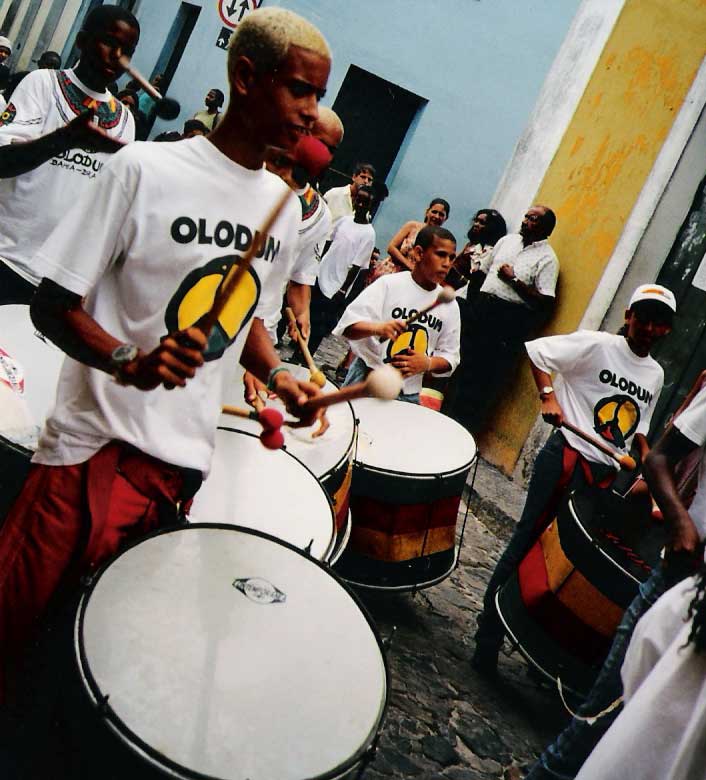
Olodum continues to be a powerful presence in the world of Afro-Brazilian music and culture. As an active bloco-afro, they are synonymous with the vibrant energy of Salvador's carnival, filling the streets with their signature samba reggae rhythms. The group's enduring appeal lies not only in their infectious music but also in their deep commitment to social advocacy and the celebration of Black identity in Brazil. Their work provides a vital platform for cultural expression and empowers youth through music and dance.
The current lineup, while evolving over the years, maintains the core spirit of Olodum. Their sound, characterized by intricate percussion and powerful vocals, remains a distinctive force. Fans connect with Olodum through their electrifying live performances and their role as cultural ambassadors, representing the rich heritage of Bahia to the global stage.
Formation Story
The story of Olodum begins in 1979, amidst the pulsating energy of Salvador's carnival. Founded by the visionary percussionist Neguinho do Samba, the group emerged as a collective aimed at celebrating and amplifying Afro-Brazilian culture. It wasn't just about creating music; it was about building a community, fostering pride, and providing a voice for a people often marginalized.
From its early days, Olodum was deeply rooted in the historic Pelourinho district of Salvador. The group's formation was a direct response to the need for cultural affirmation and social empowerment. The powerful rhythms of samba reggae, a genre Olodum helped pioneer, became the heartbeat of their movement. While specific details about early auditions or formal training are scarce, the collective's immediate impact on the carnival scene spoke volumes about their raw talent and potent message. Their debut was less a singular event and more a growing presence that quickly transformed the musical landscape of Bahia and beyond.
Members
Former Members
Neguinho do Samba
Founder, Percussionist
Musical Style
Olodum's sound is inextricably linked to the genre they helped define: samba reggae. This style is a powerful fusion, drawing on the infectious energy of samba, the syncopated rhythms of reggae, and the deep, resonant pulse of African drumming. Their music is characterized by complex, layered percussion arrangements that create an overwhelming, driving force, perfect for the street parades of Salvador's carnival.
The lyrical themes often touch upon Afro-Brazilian history, identity, social justice, and the celebration of Black culture. While their core sound remains rooted in samba reggae, Olodum has shown an ability to adapt and collaborate, as seen in remixes that bring their unique percussive power to contemporary sounds. Their approach is less about studio polish and more about the raw, communal energy of live performance.
Cultural Impact
Olodum's influence extends far beyond the realm of music; they are a significant social and cultural force in Brazil and internationally. As a *bloco-afro*, they have played a pivotal role in preserving and promoting Afro-Brazilian heritage, traditions, and identity. Their very existence and success challenged prevailing notions and brought the richness of Black culture in Salvador to the forefront.
The group's impact is evident in their role as a social movement, offering opportunities and a sense of belonging to at-risk youth through music, dance, and education. Olodum famously collaborated with Michael Jackson on his song "They Don't Care About Us," bringing their distinctive sound and visual identity to a global audience and highlighting the power of their message. Their presence is deeply intertwined with the identity of Salvador, particularly the historic Pelourinho district, making them a living symbol of the city's cultural soul.
Fandom Culture
While Olodum doesn't have a widely publicized, formal fandom name in the way K-pop groups do, their followers are deeply dedicated and connected to the group's cultural significance. Fans are often referred to as 'Olodumeiros' or simply as part of the broader community that celebrates Olodum's music and mission. The group's performances, especially during Salvador's Carnival, are massive communal events where the audience becomes an integral part of the music, singing along and dancing to the powerful samba reggae beats.
Traditions are centered around the spirit of celebration and cultural pride. Olodum's performances are characterized by a shared energy that transcends mere spectating. Projects often involve community engagement and support for the group's social initiatives, reflecting the fans' deep respect for Olodum's broader purpose beyond music.
Awards & Accolades
View 1 records, honours and achievementsTrivia
Meaning of the Name: The name 'Olodum' comes from the Yoruba language, meaning 'God of Gods' or 'Greatest God,' referencing the supreme deity Olodumaré in Candomblé traditions., Social Mission: Beyond music, Olodum operates as a non-governmental organization, dedicated to social inclusion and providing opportunities for at-risk youth in Salvador through music, singing, and dance., Cultural Hub: Olodum's headquarters and activities are deeply connected to the historic Pelourinho neighborhood in Salvador, making them a focal point for Afro-Brazilian culture in the city., Global Collaboration: The group famously participated in the music video for Michael Jackson's song 'They Don't Care About Us,' filmed in Salvador, bringing their powerful visual and musical identity to a worldwide audience.
Keywords
Sources
Quick Facts
- Formed
- 1979
- Origin
- Salvador, Bahia, Brazil
- Genres
- Samba Reggae, Afro-Brazilian Music, Percussion
- Group Type
- Bloco-Afro
- Status
- Active
- Founder
- Neguinho do Samba
Group Info
- Formed
- 1979
- Origin
- Salvador, Bahia, Brazil
- Status
- Active
Social Media
Also Known As
Join the community
fans discussing