

Ole Gunnar Solskjær
 Norway
association football player•association football coach
Birthday
February 26, 1973
Birth Sign
Pisces
Birthplace
Kristiansund Municipality, Norway
Age
53 years old
Height
6 ft 0 in (1.83 m)
About
Ole Gunnar Solskjær is a Norwegian football manager and former player, best known for his prolific career as a forward at Manchester United and his iconic nickname, the "Baby-faced Assassin." Born on February 26, 1973, in Kristiansund, Norway, he spent most of his playing days at Manchester United, where he became a club legend for his clinical finishing and knack for scoring crucial goals off the bench. He is regarded as the Premier League's greatest super-sub, and his 1999 Champions League final goal remains one of football's most iconic moments. As a manager, he transformed Molde into Norwegian champions and briefly revived Manchester United's attacking style while prioritizing youth development. After being sacked by Beşiktaş in August 2025, he works as a UEFA technical observer and occasional pundit. As of 2026, he is unattached and has been linked with the Norway national team job.
Solskjær's career is defined by his role as a "super-sub" at Manchester United, where he made 366 appearances and scored 126 goals. He won six Premier League titles, two FA Cups, and the UEFA Champions League in 1999. His most famous moment came in the 1999 Champions League final, where he scored the dramatic injury-time winner against Bayern Munich, securing the treble for United. After retiring in 2007 due to a knee injury, Solskjær moved into management. He led Molde to their first Tippeligaen titles in 2011 and 2012 and won the Norwegian Cup in 2013. He managed Cardiff City in 2014 before returning to Manchester United as caretaker manager in 2018. After a strong start, he was appointed permanently in March 2019 but was sacked in November 2021 following a poor run. He briefly managed Beşiktaş in 2025 before being sacked later that year. As of 2026, he is unattached and occasionally works as a pundit.
Early Life & Background
Ole Gunnar Solskjær grew up in the coastal town of Kristiansund, Norway, in a working-class family. His father, Øyvind (also spelled Øystein in some sources), was a Greco-Roman wrestling champion, which sparked Ole's early passion for sports. Young Ole trained in wrestling between ages eight and ten before abandoning it because he was "tossed around too much." He supported Liverpool as a boy and joined local club Clausenengen at age seven. Between 1990 and 1995, he scored an extraordinary 115 goals in 109 league appearances for Clausenengen, including a club-record 56 goals in the 1992–93 season, helping the side gain promotion to the Norwegian Second Division in 1993. After national service in the Norwegian Army (1992–93), he transferred to Molde in 1995, scoring 31 goals in 42 games and helping them finish second in the Tippeligaen and qualify for the UEFA Cup. These performances prompted Manchester United to sign him for £1.5 million in July 1996.
Career Growth
Solskjær made his senior debut for Clausenengen at age 17 in 1990. He scored 56 goals in a season for Clausenengen in 1992–93, helping the club gain promotion. In 1995, he joined Molde and helped them secure UEFA Cup qualification. He transferred to Manchester United in July 1996 for £1.5 million, scoring on his debut as a substitute against Blackburn Rovers and finishing his debut season as top scorer with 18 league goals, winning his first Premier League title. His most iconic moment came in the 1999 UEFA Champions League final, where he scored the injury-time winner against Bayern Munich, completing a historic treble. He also won the Intercontinental Cup in 1999. Over his playing career, he won six Premier League titles (1996–97, 1998–99, 1999–2000, 2000–01, 2002–03, 2006–07), two FA Cups (1996, 2004), four Community Shields, and the Champions League. He earned 67 caps and 23 goals for Norway, appearing at the 1998 World Cup and Euro 2000. He suffered a serious knee injury in 2003 that effectively ended his playing career, retiring in 2007. He remained at United as a coach, later managing the reserves to the Central League North title in 2010. As a manager, Solskjær led Molde to back-to-back Tippeligaen titles in 2011 and 2012, plus the Norwegian Cup in 2013. He had a brief spell as Cardiff City manager in 2014, then returned to Molde from 2015 to 2018. At Manchester United, he won 14 of his first 19 matches as caretaker, was named permanent manager in March 2019, and reached the 2021 Europa League final. He achieved a 54.5% win rate in 168 matches as United manager, though inconsistency ultimately led to his sacking in November 2021. In 2025, he had a short-lived managerial role at Beşiktaş, being sacked in August 2025.
Career Timeline
Public Image & Style
Ole Gunnar Solskjær is widely portrayed as humble, self-possessed, and family-oriented, with a thoughtful tactical mind. His youthful appearance earned him the enduring nickname 'Baby-faced Assassin,' reflecting his ice-cold finishing. Media and fans celebrate his super-sub legacy, often sharing memes and chants that highlight his knack for dramatic late goals. He maintains a low-key social media presence under @olegs26_ole, with modest follower counts. Fandom culture revolves around his iconic 1999 Champions League winner and his status as Manchester United's greatest super-sub.
Fame & Fandom (iFAMOUS Rankings)
Ole Gunnar Solskjær stands as the 9th most famous person from Norway, a position he has held steady in recent cycles according to the iFANN Global Fame Rankings. This standing places him firmly within the upper echelons of national recognition, reflecting a legacy that transcends his playing days. His enduring presence is tracked by these rankings, which monitors attention across media coverage and consumption signals worldwide. While the broader public knows him for his dramatic goals, the Manchester United fanbase maintains a profound emotional investment in his career trajectory. There is no single formal name for his personal supporters; instead, he is cherished by the wider institutions of Molde, Cardiff City, and Beşiktaş, with his strongest bond remaining at Old Trafford. Fans frequently discuss his potential return to management, viewing him as a savior figure during times of crisis. The narrative of his "Almost Return" in early 2026, where negotiations for an interim role sparked intense debate, highlights how deeply his mythos is woven into the club's identity. Even without a dedicated fan society or organized chart campaigns, his influence remains palpable through social media interactions and the persistent hope that he might guide the team back to glory.
Interesting Facts and Legends
Solskjær scored four goals in 12 minutes against Nottingham Forest in February 1999, marking the fastest four-goal haul in English top-flight history. He survived a severe knee injury in 2003 that effectively ended his playing career and holds the Norwegian record for most goals in a season with 56 at Clausenengen during 1992–93. His youthful appearance earned him the enduring nickname 'Baby-faced Assassin.' He completed mandatory military service in the Norwegian Army from 1992 to 1993 and became the first father-daughter pair to play for Manchester United alongside his daughter Karna. Ranked #1 Best Super-Sub in Premier League History by The Guardian in 2019 and #28 in FourFourTwo's Greatest Imports list in 2020, he was inducted into the Manchester United Hall of Fame and named to the PFA Team of the Century in 2007. He won the Manchester United Players' Player of the Year award in 1998 and maintains a low-key social media presence under @olegs26_ole. A story fans still retell involves his debut goal against Newcastle United, where a stunning volley off the bench cemented his status as a fan favorite. The legend of the 1999 Champions League final remains central to his lore, describing how he scored the injury-time winner against Bayern Munich to complete the historic Treble, an event that defined the club's identity.
Notable Quotes
“My role entails travelling to matches and analysing the technical quality and tactical approach closely, as well as picking a Player of the Match.”
Family & Personal Life
Ole Gunnar Solskjær was born to father Øyvind (a Greco-Roman wrestling champion) and mother, whose name is not publicly known. He has no known siblings. He married his childhood sweetheart, Silje, in 2004. They have three children: Noah (born 2000, professional midfielder currently at Kristiansund), Karna (born 2003, forward who made one senior appearance for Manchester United Women and plays for AaFK Fortuna), and Elliot (born 2006). The family has relocated multiple times due to his coaching career, including moves to Norway, England, Wales, and Turkey, but is now based in Norway. Solskjær was a UNICEF Goodwill Ambassador in 2001.
Notable Connections
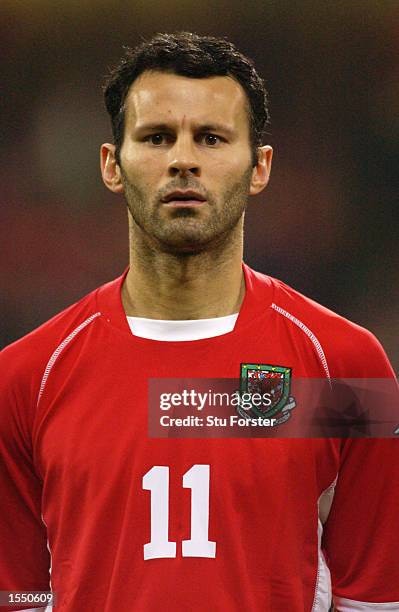
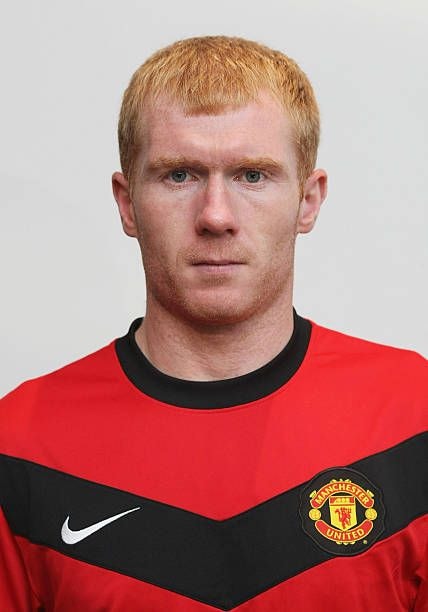
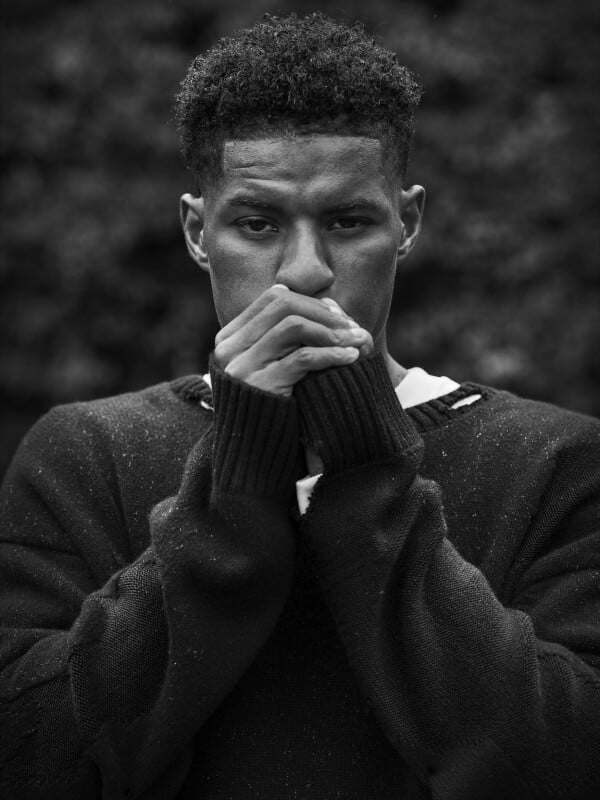
Solskjær was mentored by Sir Alex Ferguson at Manchester United and played alongside legends like Ryan Giggs and Paul Scholes. As a manager, he helped develop young players like Marcus Rashford. His son Noah is a professional footballer for Kristiansund.
Relationships & Dating History
Ole Gunnar Solskjær has maintained a remarkably private personal life, with no public relationships outside his marriage. He met his wife, Silje, as a teenager in Norway in the early 1990s. The couple dated for several years before marrying in 2004. They have three children together: Noah (born 2000), Karna (born 2003), and Elliot (born 2006). Throughout his career, Silje has been a constant support, moving with him to Manchester, Cardiff, and Istanbul. There have been no reports of separations, divorces, or other relationships. As of 2026, Solskjær remains married to Silje, and the family resides in Norway.
- MarriedSilje Solskjær2004 - presentCurrentMet as teenagers in Norway; married in 2004; three children together.
Salary, Net Worth In 2026
$22 Million
iFANN Editorial Team estimate
Per iFANN's editorial analysis, Ole Gunnar Solskjær's net worth is estimated at $22 million as of 2026. This figure reflects his successful tenure as a player, his various managerial roles, and strategic endorsements. During his eleven-year stint at Manchester United, he earned approximately £20 million ($25 million) in salary, bonuses, and image rights. His managerial career, particularly his time leading Molde FK and Manchester United, contributed significantly to his wealth, with reports indicating a weekly salary of £100,000 at United, totaling around $5.2 million annually. Endorsements and personal appearances have further bolstered his financial portfolio. Investments and real estate holdings, including properties in both Norway and England, form a substantial part of his assets. While some external sources cite a combined net worth with his wife Silje, the individual estimate for Ole Gunnar Solskjær remains distinct at $22 million.
Awards Won (18)
Solskjær won six Premier League titles, two FA Cups, and the UEFA Champions League as a player with Manchester United. As a manager, he led Molde to two Tippeligaen titles and the Norwegian Cup. He also won the Intercontinental Cup and four FA Community Shields.
2007 · Winner
Manchester United
2003 · Winner
Manchester United
2001 · Winner
Manchester United
2000 · Winner
Manchester United
1999 · Winner
Manchester United
1997 · Winner
Manchester United
2004 · Winner
Manchester United
1996 · Winner
Manchester United
Keywords
Sources
Quick Facts
- Profession
- association football player, association football coach
- Born
- +1973-02-26
- Birthplace
- Kristiansund Municipality
- Gender
- Male
- Birth Sign
- Sagittarius
- Birth Sign
- Pisces
Personal Details
- Full Name
- Ole Gunnar Solskjær
- Height
- 6 ft 0 in (1.83 m)
- Spouse
- Silje Solskjær
- Children
- 3
Frequently Asked Questions
How old is Ole Gunnar Solskjær?
What is Ole Gunnar Solskjær's net worth in 2026?
Is Ole Gunnar Solskjær still managing in 2026?
Why is Ole Gunnar Solskjær called the Baby-faced Assassin?
How many Premier League titles did Ole Gunnar Solskjær win?
Social Media
Join the community
fans discussing