Odd Nerdrum
 Norway
Also known as: Odd Sønni Nerdrum, The Kitsch Master
Birthday
April 8, 1944
Birth Sign
Aries
Birthplace
Helsingborg, Sweden
Age
82 years old
About
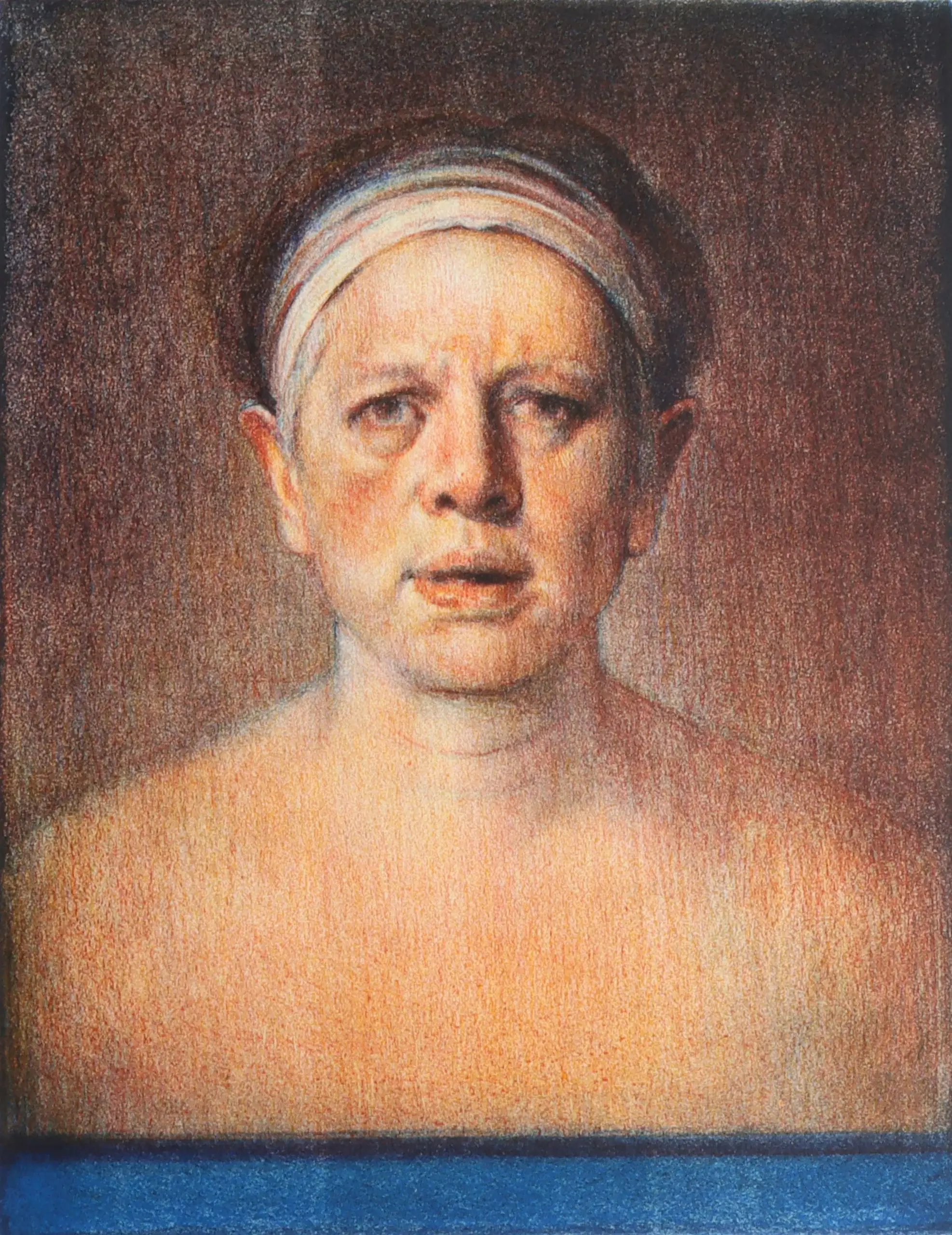
Odd Nerdrum is a Norwegian figurative painter celebrated for his rejection of modern abstraction in favor of classical techniques reminiscent of Rembrandt and Caravaggio. Born in Helsingborg, Sweden, on April 8, 1944, he moved to Norway as a child and established himself as the founder of the "Kitsch Movement." This philosophical stance distinguishes his work from the conceptual art dominating the late 20th century by prioritizing beauty, technical skill, and emotional resonance over intellectual puzzles. His paintings often feature figures dressed in historical or timeless attire, creating scenes that feel both familiar and dreamlike.
While he has achieved significant international acclaim and high auction prices, his career has been marked by controversy within Norway, where his anti-modernist views have polarized the public and institutions. Nerdrum famously declared his work to be "kitsch" rather than "art," a redefinition intended to challenge established hierarchies. As of 2026, he remains an active artist known for his distinct visual language and his refusal to conform to contemporary trends, maintaining a low profile despite his global recognition among collectors and art historians.
Early Life & Background
Odd Nerdrum was born Odd "Sønni" Nerdrum in Helsingborg, Sweden, before moving to Norway during his childhood. His early education took place at the Oslo Waldorf School, an institution known for its anthroposophical approach which influenced his later skepticism of purely rational worldviews. He pursued formal artistic training at the Art Academy of Oslo, now the Oslo National Academy of the Arts. A pivotal moment in his early development occurred in 1965 when he studied briefly with the influential German conceptual artist Joseph Beuys in Düsseldorf. This experience proved short-lived; Nerdrum soon found himself at odds with the prevailing avant-garde philosophies of the time.
Disillusioned with modern art, he embarked on a path of self-study, dedicating himself to mastering the techniques of the Old Masters. His philosophical leanings, deeply rooted in anthroposophy, led him to question modern technology and emphasize the spiritual dimensions of nature and humanity. During the 1970s and 1980s, he developed his signature style characterized by narrative depth and dramatic lighting while beginning to exhibit internationally. He gained traction outside Norway even as he faced resistance domestically, setting the stage for his eventual declaration of the Kitsch Movement in the following decades.
Career Growth
Nerdrum's career is defined by his unwavering commitment to figurative painting during an era dominated by abstraction and conceptualism. In the 1990s, he began to articulate his philosophy more explicitly, publishing On Kitsch, a manifesto that detailed his theoretical framework. He argued that kitsch prioritized beauty and storytelling over the intellectual puzzles of modern art. This declaration transformed him into a polarizing figure who challenged the very definition of art.
His major milestones include achieving significant commercial success with high-profile solo exhibitions in New York, London, and Tokyo throughout the 2000s and 2010s. Works such as Twilight and Daddy's Girl became focal points of debate regarding the boundaries of art. A defining moment in his public image occurred in 2016 when he was barred from leaving Norway due to pending tax fraud charges, preventing him from attending the opening of his own solo exhibition at the Booth Gallery in New York. Despite these legal challenges, he continued to produce work and engage in residencies, including a summer residency at Stephen F. Austin State University in 2022. By 2024, he maintained relevance with continued critical attention, including features in The New Criterion discussing his technique of painting like the Old Masters.
Career Timeline
Public Image & Style
Odd Nerdrum projects the persona of a solitary, contemplative artist who operates outside the mainstream art world. His distinctive appearance and demeanor align with his reputation as a master of the Old Masters' techniques, often described as having a look consistent with a Renaissance figure trapped in the modern era. He avoids social media trends and public fan interactions, choosing instead to let his work speak for itself. Media perception of him oscillates between admiration for his technical brilliance and criticism of his anti-modernist stance. His refusal to engage with the conceptual art establishment has earned him a reputation as a stubborn traditionalist who values execution over ideas. This aloofness adds to his mystique, making him a figure of intrigue rather than a celebrity seeking validation from the industry.
Fame & Fandom (iFAMOUS Rankings)
Odd Nerdrum stands as a solitary figure in the global art landscape, a man whose reputation is built on technical mastery rather than viral momentum. According to iFANN's Global Fame Engine data as of September 2026, he does not currently hold a placement in the published Global Top 1,000 rankings or any Top-100 scope list. This absence of a numerical rank reflects a specific type of fame: one that thrives in the shadows of controversy and niche appreciation rather than the bright glare of mass-market celebrity metrics. His standing is defined by a polarizing legacy that oscillates between admiration for his Rembrandtesque technique and criticism of his anti-modernist philosophy. The lack of a formal ranking underscores that his influence operates outside the standard channels of global pop culture consumption. Instead of charting alongside musicians or actors, Nerdrum's presence is felt through the quiet reverence of collectors and the heated arguments of art historians who dissect his definition of kitsch. He remains an international curiosity, a Norwegian painter celebrated abroad while facing scrutiny at home. His audience consists of those who seek out the obscure and the traditional, a group that values the tangible over the conceptual. There is no organized movement driving his visibility; his name circulates because of the art itself, not because of a coordinated campaign or a dedicated fanbase seeking to elevate his numbers. In a world obsessed with instant recognition, Nerdrum persists as a figure of endurance, known for what he creates rather than how loudly he is heard.
Interesting Facts and Legends
One of the most retold stories involving Nerdrum concerns his painting Twilight, which depicts a woman defecating in the woods. This piece became a focal point in debates about his definition of kitsch and the boundaries of acceptable subject matter in high art. It is often cited by fans and critics alike as the ultimate example of his provocative yet technically masterful style. Another pillar of his lore is the story of being unable to attend his own exhibition in New York in 2016 because he was barred from leaving Norway due to tax fraud charges. This incident cemented his mythology as a persecuted master, framing his life as a struggle between artistic integrity and state power. Nerdrum uses the term "kitsch" ironically to champion beauty and technical skill over modern conceptualism. Unlike many contemporary artists, he does not engage in viral marketing or frequent personal updates, maintaining an aura of mystery through his official website. There is no documented organized fandom with a collective name supporting his career.
Notable Quotes
“I am a kitsch painter.”
“Art is not about the idea, it is about the execution.”
“The world is full of ideas; what is lacking is the ability to make them visible.”
Family & Personal Life
Odd Nerdrum is married to Turid Spildo, and the couple has maintained a relatively private life. They are often associated with his artistic endeavors, though they keep their domestic affairs out of the public eye. There is no public record of previous marriages or long-term relationships prior to his marriage to Spildo. While Nerdrum is known for maintaining a distant relationship with his audience, preferring to communicate his philosophy through writings rather than public interaction, his family remains a constant presence behind the scenes. Some sources suggest he may have a daughter, a detail often referenced in discussions about his painting Daddy's Girl, though this remains unconfirmed by the artist himself. The couple resides in Norway, where Nerdrum continues to work in his studio.
Notable Connections
Relationships & Dating History
Odd Nerdrum is married to Turid Spildo, and the couple has maintained a relatively private life together. There is no public record of previous marriages or long-term relationships prior to his marriage to Spildo. The pair has lived together for many years, keeping their domestic affairs away from the spotlight. While Nerdrum is known for maintaining a distant relationship with his audience, preferring to communicate his philosophy through writings rather than public interaction, his family remains a constant presence behind the scenes. Some sources suggest he may have a daughter, a detail often referenced in discussions about his painting Daddy's Girl, though this remains unconfirmed by the artist himself. As of 2026, he remains married to Turid Spildo.
- MarriedTurid SpildoCurrentCurrent spouse; married for many years.
Salary, Net Worth In 2026
$3.6 Million
iFANN Editorial Team estimate
iFANN currently estimates Odd Nerdrum's net worth at approximately $3.6 million based on his career earnings and asset valuation. His wealth is primarily derived from the sale of paintings, which can range from $10,000 to over $100,000 depending on size and provenance. He also earns income from teaching workshops, lectures, and book royalties. Real estate holdings are believed to include a studio and residence in Norway, though specific valuations are not public. The tax fraud case in the mid-2010s likely impacted his liquid assets and ability to invest freely during that period, but he has continued to sell works successfully in the international market. Estimates from various art market reports and collector forums generally cluster around the $2 million to $5 million range.
Awards & Accolades
View 2 records, honours and achievementsKnown For
Daddy's Girl
2014 · Painter
Twilight
· Painter
On Kitsch
1990 · Author
Keywords
Sources
Quick Facts
- Profession
- painter
- Born
- April 8, 1944
- Birthplace
- Helsingborg, Sweden
- Gender
- Male
- Spouse
- Turid Spildo
- Birth Sign
- Aries
Personal Details
- Full Name
- Odd "Sønni" Nerdrum
- Spouse
- Turid Spildo
- Education
- Oslo Waldorf School; Art Academy of Oslo
Frequently Asked Questions
Where was Odd Nerdrum born?
Is Odd Nerdrum still alive?
What is Odd Nerdrum's "Kitsch" movement?
Why was Odd Nerdrum arrested?
Who is Odd Nerdrum married to?
Similar People
Join the community
fans discussing