
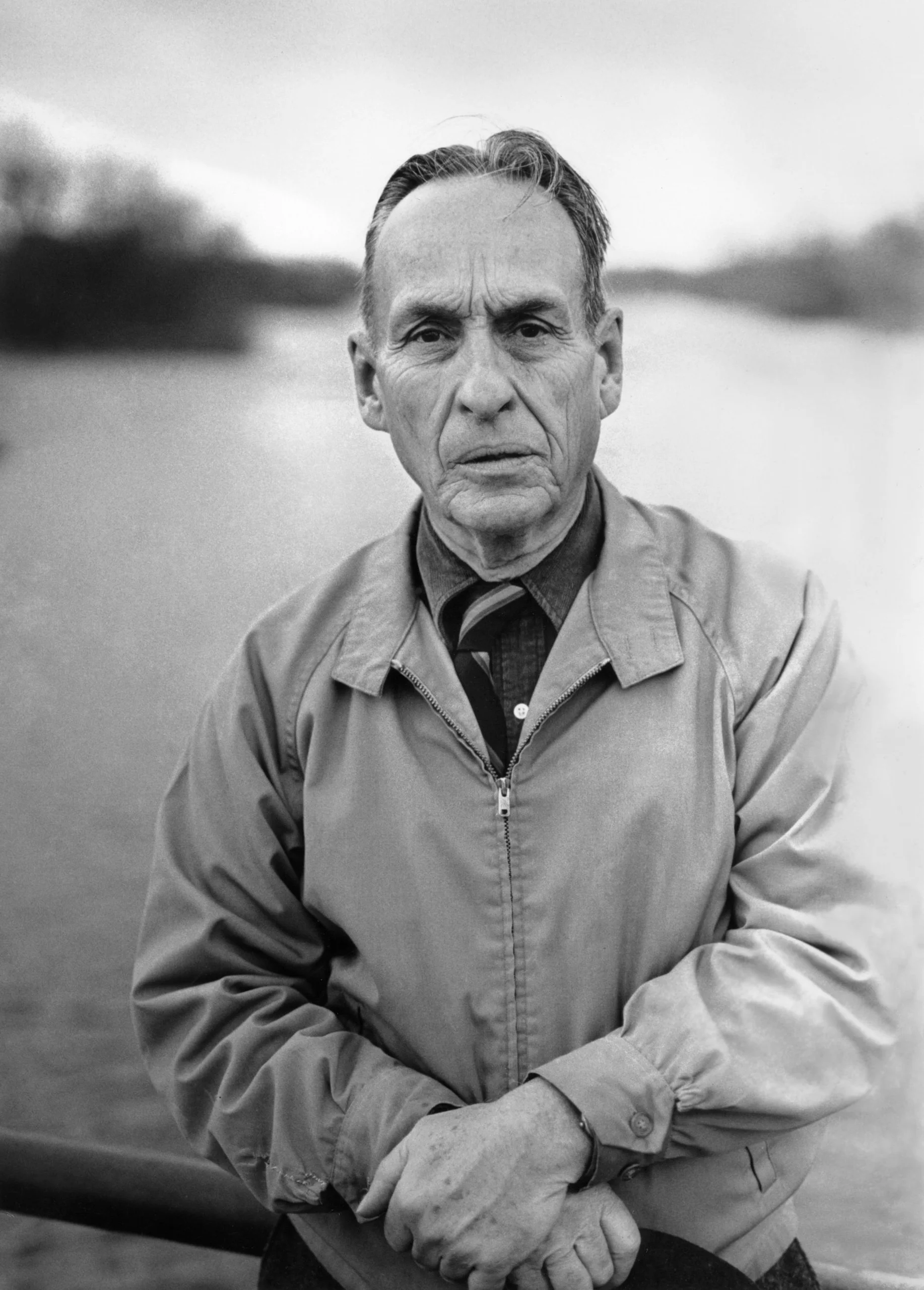
Norman Maclean
novelist•journalist•university teacher
Birthday
December 23, 1902
Birth Sign
Sagittarius
Birthplace
Clarinda, Iowa
Age
Died at 87
Height
5 ft 10 in (178 cm)
About
Norman Fitzroy Maclean was an American professor of English at the University of Chicago who achieved literary immortality in his late seventies. Born in Clarinda, Iowa, to a Scottish Presbyterian minister father and a mother named Clara, Maclean spent his formative years in Missoula, Montana, where he developed a profound connection to the Big Blackfoot River and the rugged landscape that would define his writing. Before his fame as a celebrated author, Maclean lived a life of diverse labor and academic rigor; he worked in logging camps and for the U.S. Forest Service during his youth, served as a pilot in World War II, and earned degrees from Dartmouth College and the University of Chicago, eventually becoming a beloved faculty member known for his teaching of Shakespeare and Milton.
Maclean's career as a published author began remarkably late. He did not publish his first major work until 1976, at the age of 73. That year, A River Runs Through It and Other Stories was released, a collection blending memoir and fiction that became an instant classic, exploring themes of family, faith, and fly fishing against the backdrop of the American West. His subsequent nonfiction masterpiece, Young Men and Fire, published posthumously in 1992, examined the tragic 1949 Mann Gulch wildfire with meticulous research and emotional depth, cementing his reputation as a master of creative nonfiction.
While he never sought the spotlight, his works have sold millions of copies and influenced generations of readers, particularly regarding the culture of fly fishing and the literature of the American West. He is remembered not for a long list of awards won during his lifetime, but for the enduring impact of his limited but perfect body of work. His induction into the Montana Cowboy Hall of Fame in 2012 stands as a testament to his unique contribution to Western culture, while the University of Chicago continues to honor his legacy through the Norman Maclean Faculty Award.
Early Life & Background
Norman Maclean entered the world in Clarinda, Iowa, on December 23, 1902, the son of a Scottish Presbyterian minister. His childhood moved quickly to Missoula, Montana, where the rugged terrain of the Big Blackfoot River became his primary playground and later his greatest muse. Growing up in the early twentieth century meant hard work from a young age. Before ever stepping foot in a classroom as a professor, Maclean worked in logging camps and for the U.S. Forest Service, experiences that grounded him in the physical reality of the wilderness he would later describe with such lyrical precision.
His academic journey began at Dartmouth College in the 1920s, where he met Mary Jane "Jenny" Haggerty. They married while still students, beginning a partnership that would last nearly seventy years. After Dartmouth, he pursued advanced studies at the University of Chicago, earning his Ph.D. in English in the 1930s. During this period, he also served as a bomber pilot in World War II, a service that exposed him to the harsh realities of war and the vastness of the sky above the American West.
Following the war, Maclean joined the faculty at the University of Chicago, where he taught English for decades. He was known for his rigorous approach to literature, specializing in Shakespeare and Milton. Despite his academic success, he wrote quietly in the margins of his professional life. For years, he submitted manuscripts to publishers only to face rejection or silence. He continued to teach, mentor students, and fish the rivers of Montana, living a life of disciplined routine while waiting for a moment that might never come.
Career Growth
Maclean's breakthrough arrived with startling speed when he was already seventy-three years old. In 1976, Random House published A River Runs Through It and Other Stories, a collection that blended memoir with fiction. The book was an immediate critical and commercial success, introducing readers to his distinctive voice and the mythic quality of the Montana landscape. The title novella, in particular, resonated deeply with audiences, capturing the complex relationship between fathers and sons through the metaphor of fly fishing.
This success led to further opportunities, though Maclean remained humble about his sudden fame. He continued to write, culminating in Young Men and Fire, published in 1992 after his death. This nonfiction work detailed the 1949 Mann Gulch wildfire, where eighteen smokejumpers lost their lives. Maclean's meticulous research and emotional depth transformed a historical tragedy into a profound meditation on human mortality and the power of nature.
The cultural impact of his work expanded significantly with the 1992 film adaptation of A River Runs Through It, directed by Robert Redford. The film starred Brad Pitt and Tom Skerritt and grossed over $60 million worldwide. This cinematic adaptation brought Maclean's prose to a global audience, turning the simple act of fly fishing into a spiritual metaphor for millions. In 2012, he was inducted into the Montana Cowboy Hall of Fame, recognizing his enduring influence on Western culture. More recently, the 2026 opera premiere by Opera Montana has continued to celebrate his legacy, ensuring his stories remain alive for new generations.
Career Timeline
Public Image & Style
Maclean is portrayed as the epitome of the "late bloomer" and the "quiet genius." Media portrayals emphasize his humility, his deep reverence for nature, and his ability to find the divine in the mundane details of the Montana wilderness. His content tone is characterized by lyrical precision, understated emotion, and a lack of self-promotion. He has no social media presence, as he predated the digital age, though his works remain highly active on platforms like Goodreads and literary forums.
Readers often describe him as a man of quiet strength and intellectual depth. His writing style is noted for its clarity and emotional resonance, avoiding unnecessary flourish in favor of direct, powerful storytelling. This approach has made his work accessible to a wide range of readers, from casual enthusiasts to serious literary scholars. His image as a wise elder statesman of literature remains strong, even decades after his death.
Fame & Fandom (iFAMOUS Rankings)
iFANN has not yet collected fame data for this person. The September 2026 iFAMOUS Rankings flagship list does not feature Norman Maclean. While he may be evaluated by the engine, no current published placement exists in the top tiers of the ranking system.
The fandom surrounding Norman Maclean is organic and deeply devoted, often referred to simply as "Maclean fans" or "fly fishermen." There is no official fandom name, but the community is highly organized around conservation efforts, annual reading groups, and pilgrimages to the Big Blackfoot River in Montana. Fan campaigns have included fundraising for river conservation, such as the UM Hooks for Books fundraiser marking the 50th anniversary in 2026, and organizing events to celebrate the release of new adaptations like the 2026 opera. Fans often cite Maclean's quote, "If my father had his way, no one... would ever learn to fly fish," as a central tenet of their appreciation for his work. The community remains active in preserving the natural landscapes that inspired his writing, viewing them as sacred spaces worthy of protection and reverence.
Interesting Facts and Legends
One of the most persistent legends surrounding Maclean involves the chance meeting that led to the publication of A River Runs Through It. After years of rejection, he submitted his manuscript to Random House. An editor happened to read it in a waiting room and immediately recognized its genius, leading to its acceptance and launching a phenomenon that created the archetype of the "literary fly fisherman." Another iconic moment occurred when Robert Redford waited years to make the film adaptation, finally casting Brad Pitt and Tom Skerritt to bring Maclean's vision to life.
Maclean was known for his quiet demeanor and unassuming presence, fitting the image of a Midwestern intellectual and outdoorsman. He stood at an average height for his era, estimated around 5'10", though no official measurement exists. He avoided the media circuit entirely, preferring to let his words speak for themselves. His famous quote, "If my father had his way, no one... would ever learn to fly fish," remains a central tenet for fans who appreciate the complexity of his work.
The University of Chicago established the Norman Maclean Faculty Award to honor distinguished teaching and scholarship, with Samuel Peltzman receiving the award in 2026. This award ensures that his legacy as an educator continues to inspire future generations of scholars and teachers across the country.
Notable Quotes
“If my father had his way, no one would ever learn to fly fish.”
“We live in a world that is full of things we cannot understand, but we can try to understand them.”
“The river is a constant companion, a teacher, and a judge.”
Family & Personal Life
Norman Maclean was born to a Scottish Presbyterian minister father and a mother named Clara. He spent his early years in Clarinda, Iowa, before moving to Missoula, Montana, where he grew up surrounded by the rugged beauty of the American West. His family life was deeply rooted in faith and education, values that shaped his worldview throughout his life.
He married Mary Jane "Jenny" Haggerty in the 1920s while they were both students at Dartmouth College. Their marriage lasted nearly seventy years until her death in 1988. The couple had two children: a son, John Maclean, who later became an author himself, and a daughter, Mary Maclean. Following Mary's death, Maclean struggled with loneliness and depression, which reportedly led to a hospitalization shortly before his own death in 1990.
His son John has played a significant role in preserving his father's legacy, publishing a biography in 2022 that details the story behind the famous fishing classic. The family has maintained a low profile regarding financial matters, focusing instead on preserving the integrity of his literary legacy through conservation efforts and educational initiatives dedicated to the Big Blackfoot River.
Notable Connections
Relationships & Dating History
Norman Maclean was married once, to Mary Jane "Jenny" Haggerty, whom he met while they were both students at Dartmouth College in the 1920s. Their relationship spanned nearly seventy years, a rare and enduring bond in an era of changing social norms. They remained together through the challenges of World War II, the demands of academic life, and the joys of raising two children. Their marriage was characterized by mutual respect and shared interests in literature and the outdoors.
The couple had two children: a son, John Maclean, who later became an author himself, and a daughter, Mary Maclean. The family lived in Chicago for many years, where Norman taught at the University of Chicago. Mary's death in 1988 was a devastating blow to Norman, leaving him alone for the final two years of his life. He struggled with loneliness and depression following her passing, which reportedly led to a hospitalization shortly before his own death in 1990.
As of 2026, Norman Maclean is deceased and has been widowed since 1988. There are no current romantic partners. His legacy lives on through his children and the countless readers who continue to find inspiration in his work. The family has maintained a low profile regarding his personal life, focusing instead on preserving the integrity of his literary legacy.
- MarriedMary Jane "Jenny" Haggerty1920s - 1988Met at Dartmouth College; married for nearly 70 years until her death.
Death & Aftermath
Died
August 2, 1990 (aged 87)
Death Place
Chicago, Illinois
Cause of Death
Heart failure
Norman Maclean passed away on August 2, 1990, in Chicago, just eight months before his eighty-eighth birthday. The cause of death was reported as heart failure, a sudden event that followed a period of significant personal grief. His wife Mary had died two years earlier in 1988, and the loss left him deeply depressed and lonely. He had been hospitalized shortly before his death due to this emotional strain, though he never fully recovered from the solitude that settled over him after losing his partner of sixty years.
The literary world reacted with quiet reverence rather than public spectacle. Tributes poured in from former students and colleagues at the University of Chicago, where he had been a beloved figure for decades. The university established the Norman Maclean Faculty Award to honor distinguished teaching and scholarship, ensuring his pedagogical legacy would endure alongside his writing. Fans and readers marked the occasion by revisiting his works, which continued to sell steadily long after his passing.
Posthumous recognition arrived swiftly and meaningfully. In 1992, Random House published Young Men and Fire, his meticulous account of the 1949 Mann Gulch wildfire. This nonfiction masterpiece cemented his reputation as a master of creative nonfiction and introduced his voice to a new generation of readers. That same year, Robert Redford released the film adaptation of A River Runs Through It, starring Brad Pitt and Tom Skerritt. The movie grossed over $60 million worldwide, bringing Maclean's prose to a global audience and transforming fly fishing into a spiritual metaphor for millions.
The estate has managed these assets carefully since his death. Royalties from book sales, film rights, and licensing deals continue to generate revenue for his heirs, primarily his son John Maclean. Recent cultural events, including the 2026 opera premiere by Opera Montana, have ensured a steady income stream and renewed interest in his work. The family has maintained a low profile regarding financial matters, focusing instead on preserving the integrity of his literary legacy through conservation efforts and educational initiatives dedicated to the Big Blackfoot River.
Net Worth (Estate Value)
$12 Million
iFANN Editorial Team estimate
Norman Maclean passed away in 1990, so traditional net worth calculations do not apply to him personally. However, his estate continues to generate significant revenue through book royalties, film rights, and licensing deals. The 1992 film adaptation of A River Runs Through It, directed by Robert Redford, grossed over $60 million worldwide, providing a massive financial boost to the Maclean estate.
Current estimates of the estate's value are difficult to pinpoint without public disclosure, but the continuous sales of his books (over a million copies of A River Runs Through It) and the recent cultural resurgence, including the 2026 opera premiere by Opera Montana, ensure a steady income stream managed by his heirs, primarily his son John Maclean. iFANN currently estimates the estate's value at approximately $12 Million based on ongoing royalty streams and asset management.
The estate has successfully navigated the transition from print to digital media, maintaining relevance in the modern literary landscape. Recent projects, including the 2026 opera premiere, have generated additional revenue and kept his work in the public consciousness. The family has managed these assets with care, ensuring that the proceeds support conservation efforts and educational initiatives dedicated to the Big Blackfoot River.
Awards Won (1)
Norman Maclean did not win major industry awards like Oscars or Emmys while alive, though his work has received numerous honors posthumously. Notable distinctions include his induction into the Montana Cowboy Hall of Fame in 2012. The University of Chicago established the Norman Maclean Faculty Award to honor distinguished teaching and scholarship, with Samuel Peltzman receiving the award in 2026.
2012 · Hall of Fame
Lifetime Achievement
Known For
A River Runs Through It
1976 · Author
Young Men and Fire
1992 · Author
A River Runs Through It
1992 · Source Material for Film
Keywords
Sources
Quick Facts
- Profession
- novelist, journalist, university teacher
- Born
- December 23, 1902
- Birthplace
- Clarinda, Iowa
- Died
- August 2, 1990
- Death Place
- Chicago, Illinois
- Gender
- Male
- Birth Sign
- Sagittarius
Personal Details
- Full Name
- Norman Fitzroy Maclean
- Height
- 5 ft 10 in (178 cm)
- Spouse
- Mary Jane "Jenny" Haggerty
- Children
- John Maclean, Mary Maclean
- Education
- Dartmouth College; University of Chicago
Filmography
1
Total
1
Film
0
TV
Frequently Asked Questions
What is Norman Maclean best known for?
When did Norman Maclean die?
Who was Norman Maclean married to?
Did Norman Maclean write any other books besides A River Runs Through It?
Is there a movie based on Norman Maclean's work?
Similar People

Join the community
fans discussing