 Germany
About
Nina Hagen Band remains a pivotal chapter in the story of European rock, celebrated for its fearless genre-bending approach. The group operated from 1978 to 1980, serving as the live and studio backbone for the artist known as the Godmother of Punk. While the lineup shifted frequently due to the nature of session work, the core identity remained rooted in Hagen's ability to channel opera technique into punk fury. This combination created a sound that was both technically dazzling and dangerously rebellious.
Today, the band is remembered not just for their three studio albums but for the sheer audacity of their existence during the height of the Cold War. They proved that German artists could participate in the global punk movement without sacrificing their own cultural voice or musical heritage. Their recordings continue to find new audiences through streaming platforms and film soundtracks, cementing their status as pioneers of the Neue Deutsche Welle scene.
Formation Story
The story begins in 1978 when Christiane Nina Hagen made the daring decision to flee East Berlin for the West. Having trained in classical theater and opera in the German Democratic Republic, she grew frustrated with the strict censorship and artistic limitations imposed by the communist regime. Her escape was not merely a political act but a creative liberation that demanded a new musical direction. She needed a band that could match her avant-garde vision, one capable of handling everything from high notes to shouted screams.
Hagen assembled her team in West Berlin shortly after arriving in the city. She auditioned musicians who were willing to experiment beyond traditional rock structures. The original lineup included guitarist Gerd Döring, bassist Rolf Giese, keyboardist Jürgen Engler, and drummer Peter Scherer. These musicians came together to record the self-titled debut album Nina Hagen Band, which dropped in August 1978. The recording sessions were intense, designed to capture the raw energy of their live performances rather than polish them into something safe.
The band's early days were defined by a chaotic mix of influences. They played punk, reggae, and cabaret, often within the same set. This eclectic approach caught the attention of CBS Records, who signed them quickly. The debut single Nur zu dir became an instant anthem, showcasing Hagen's six-octave range and the band's tight, driving rhythm section. By 1979, they had expanded their sound with synthesizers and funk elements on their second album, further solidifying their place at the forefront of the German new wave movement.
Members
Former Members
Gerd Döring (Gerd Döring)
Guitarist · 1978–1979
Rolf Giese (Rolf Giese)
Bassist · 1978–1979
Jürgen Engler (Jürgen Engler)
Keyboardist · 1978–1979
Peter Scherer (Peter Scherer)
Drummer · 1978–1979
Musical Style
The sound of the Nina Hagen Band is best described as a volatile collision of genres. On their debut, the group leaned heavily into punk rock and reggae, driven by aggressive guitar riffs and Hagen's operatic vocals. Tracks like Nur zu dir featured spoken-word sections and sudden shifts in tempo that defied standard song structures. This theatricality drew from Hagen's background in classical singing, allowing her to belt out high notes with the power of a soprano while dropping to a guttural growl reminiscent of punk singers.
As the band evolved, their style shifted toward a more polished new wave aesthetic. The 1979 album Nun komm' die Hagen introduced synthesizers and funk rhythms, creating a darker, more atmospheric texture. By the time of their final album Fearless in 1980, the group had incorporated electronic elements that foreshadowed the industrial and gothic movements of the 1980s. Their production was never sterile; it always retained a sense of danger and unpredictability that kept listeners on edge.
Discography
| Title | Year |
|---|---|
| Nina Hagen Band | 1978 |
| Nun komm' die Hagen | 1979 |
| Fearless | 1980 |
Tours
First US Tour
1979 · 15 shows
Cultural Impact
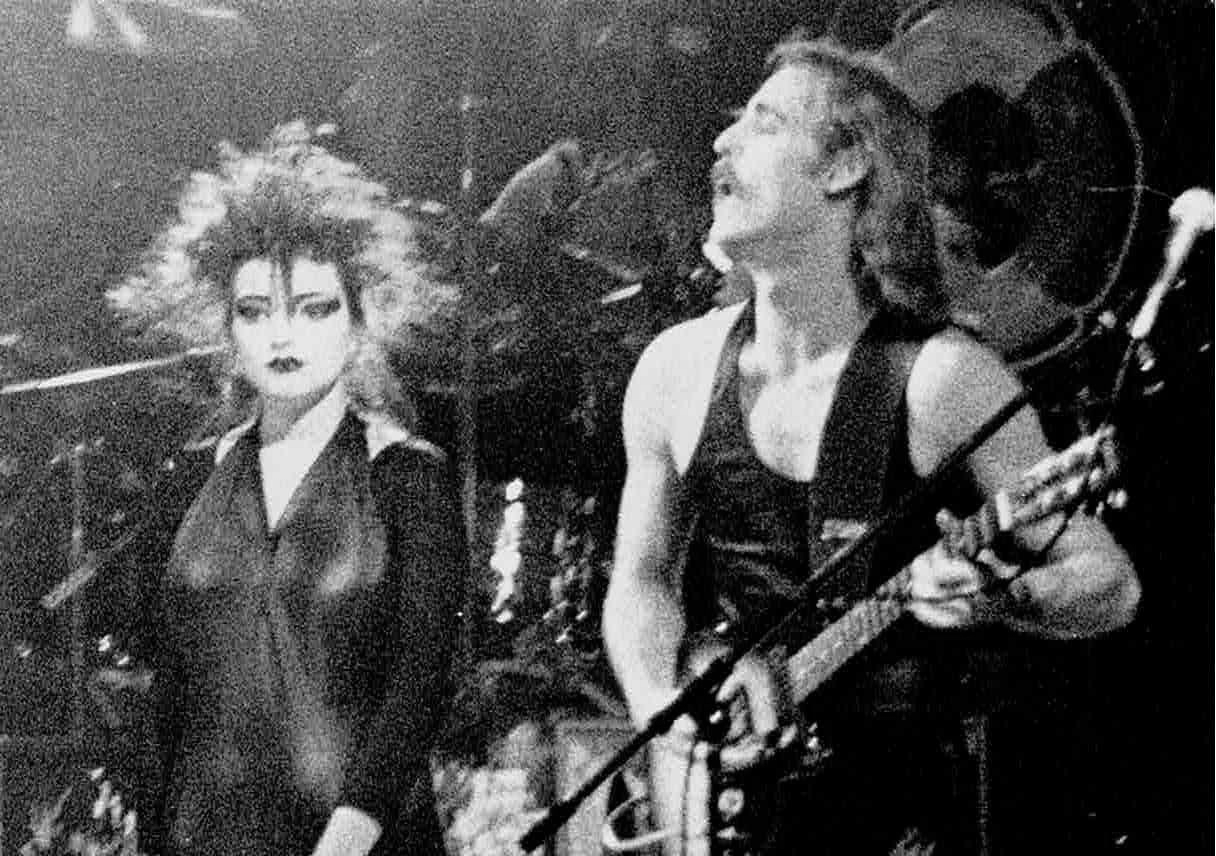
The Nina Hagen Band broke significant ground for women in rock music. Before Hagen, female frontmen in rock were often relegated to pop or soft rock roles. Hagen's presence on stage, wild hair, heavy makeup, and a voice that could shatter glass, challenged these stereotypes immediately. She became a symbol of freedom for young people in Germany, particularly those living under the shadow of the Iron Curtain. Her music offered a glimpse of what life might be like outside the constraints of authoritarian rule.
Influence on the broader music industry cannot be overstated. Bands like Siouxsie and the Banshees and later acts such as PJ Harvey have cited Hagen as a key inspiration. Her ability to merge high art with low culture paved the way for the alternative rock explosion of the 1990s. Even today, her vocal techniques are studied by singers across multiple genres, proving that her impact extends far beyond the punk scene of the late 1970s.
Fandom Culture
Unlike modern K-pop or pop groups, the Nina Hagen Band did not have an organized fandom with official names, lightsticks, or fan clubs. Fans in the late 1970s identified simply as followers of the punk scene or enthusiasts of Neue Deutsche Welle. There were no scheduled fan meetings or official merchandise lines typical of today's industry. Instead, the community formed around shared appreciation for Hagen's rebellious spirit and the band's revolutionary sound.
Over the decades, the fanbase has grown organically through reissues, documentaries, and online communities. Current fans often gather at tribute concerts or discuss the band's discography on forums dedicated to vintage punk. The lack of formal structure allowed the music to speak for itself, creating a loyal following based purely on artistic merit rather than marketing campaigns.
Awards Won (6)
While the Nina Hagen Band did not win Western awards like Grammys during their active years, Nina Hagen received significant recognition in Germany. She won multiple ECHO Awards for Best Newcomer and Best Female Artist in the late 1970s and 1980s. In 2016, she was honored with the Bambi award for lifetime achievement. The band is also frequently cited in historical lists for their pioneering role in punk and new wave.
Best Female Artist
for: Nun komm' die Hagen
Best Newcomer
for: Nina Hagen Band
Lifetime Achievement
for: Career
Milestones
Formation of the band and release of debut album in West Berlin
First major US tour establishing international reputation
Release of Fearless marking the end of the classic lineup
Trivia
Keywords
Sources
Quick Facts
- Origin
- West Berlin
- Status
- Disbanded (circa 1980)
- Primary Genre
- Punk Rock / New Wave
- Key Member
- Nina Hagen
Group Info
- Formed
- 1978-01-01
- Debut
- 1978-08-31
- Debut Song
- Nur zu dir
- Origin
- West Berlin, Germany
- Company
- Independent Management (late 70s)
- Label
- CBS Records
- Status
- Disbanded (1980-12-31)
Social Media
Also Known As
Join the community
fans discussing