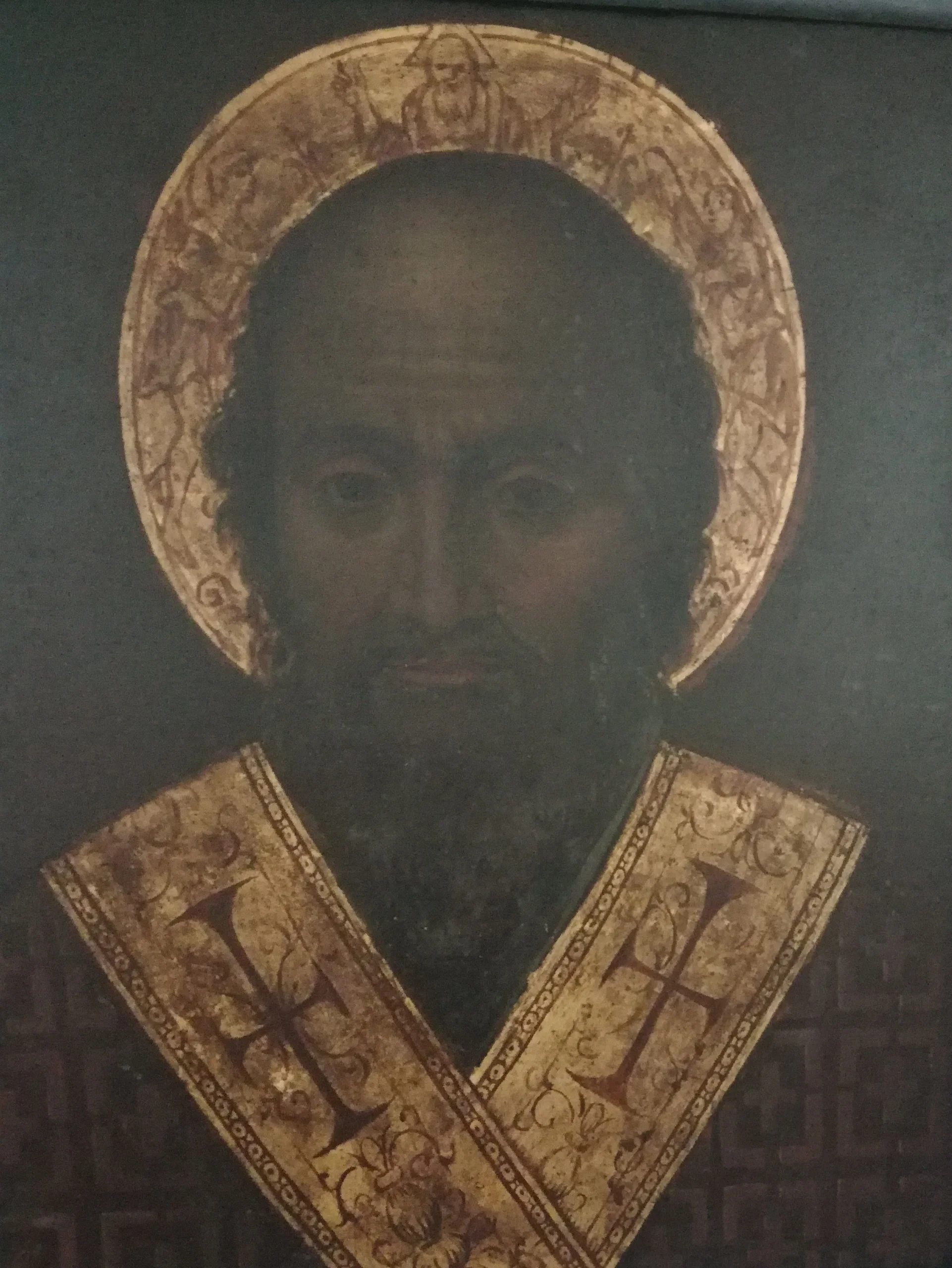
Nicola Di Bari
 Italy
ItalyAlso known as: Michele Scommegna
Birthday
September 29, 1940
Birth Sign
Libra
Birthplace
Zapponeta, Apulia, Italy
Age
85 years old
About
Nicola Di Bari is an Italian singer-songwriter and film actor whose warm, melodic voice helped define the sound of Italian pop in the 1960s and 1970s. Born Michele Scommegna, he became one of the most recognizable voices of his generation, known for hits like “La prima cosa bella” and “Chitarra suona più piano.” Over a career spanning more than six decades, he has released dozens of albums, performed at the Sanremo Music Festival multiple times, and appeared in over 30 films.
Di Bari’s music blends traditional Italian melody with a gentle, introspective style that has earned him a devoted following across Europe and Latin America. He is also fluent in Spanish, which helped him build a substantial audience in the Spanish-speaking world. As of 2026, he remains active in the cultural sphere, with his classic recordings still attracting hundreds of thousands of monthly listeners on streaming platforms and his YouTube channel drawing over 160,000 subscribers.
Early Life & Background
Michele Scommegna was born in Zapponeta, a frazione of Bitonto in the Apulia region of southern Italy, on September 29, 1940. He was the youngest of ten children, growing up in a large, traditional family that shaped his strong connection to his roots and the folk traditions of the region. His childhood was marked by the rural life of Apulia, and he developed an early passion for music, listening to the songs that were popular in Italy at the time.
After finishing his schooling, Di Bari worked a series of odd jobs while nurturing his musical ambitions. He eventually moved to Rome, the heart of the Italian entertainment industry, to pursue a career as a singer. In the early 1960s, he adopted the stage name Nicola Di Bari, a nod to the nearby city of Bari, and began performing in clubs and music venues. His big break came in 1965 when he appeared at the Sanremo Music Festival, a key platform for emerging Italian artists. Though he did not win that year, his participation opened doors, and his 1966 single “La prima cosa bella” became a massive hit, launching his career.
Career Growth
Following the success of “La prima cosa bella,” Nicola Di Bari became a staple of Italian pop music throughout the late 1960s and 1970s. He returned to Sanremo several times, and in 1971 he won the festival with the song “Il cuore è uno zingaro,” a duet with Nada that remains one of his signature performances. He continued to score hits with songs like “Chitarra suona più piano” and “Sei come sei,” and his albums sold steadily across Italy.
In the 1970s, Di Bari expanded into acting, appearing in over 30 films between 1970 and the mid-1980s. Notable credits include the giallo thriller Non si sevizia un paperino (1972) and the drama Le tribolazioni di un impiegato (1970). He also recorded Spanish-language versions of his songs, which became popular in Latin America, and he toured extensively in Spain and South America. Throughout the 1980s and 1990s, he continued to release new material and compilation albums, including Serie Platino (1995). In the 2000s and 2010s, he received lifetime achievement honors from Italian cultural institutions, and in 2022 he released two new albums, Innamorarsi and Encanto, on digital platforms.
Career Timeline
Public Image & Style
Nicola Di Bari’s public image is that of a gentle, introspective artist whose music resonates with themes of love, loss, and nostalgia. He is often associated with the elegant, serious demeanor of 1960s Italian pop stars, and his stage presence is marked by a calm, understated charisma. Fans, particularly those who grew up in the golden age of Italian song, regard him as a symbol of that era, and his music continues to be played at tribute concerts and nostalgic events. His social media presence, including a YouTube channel with over 160,000 subscribers, reflects a dedicated fan base that spans generations, with older fans sharing archival footage and younger listeners discovering his classics through streaming. He is not known for flashy behavior or scandals, and his reputation as a thoughtful, private artist has only grown with time.
Fame & Fandom
Nicola Di Bari commands a legacy defined not by the frenetic mobilization of modern fandoms, but by the enduring loyalty of listeners who have followed his career since the 1960s. Unlike contemporary stars with organized armies and specific nomenclatures, his audience operates as a demographic of devoted admirers of classic Italian *canzone*, united by a shared appreciation for his melodic ballads rather than active campaign-driven rituals. The singer is often referred to within cultural discourse as one of the "sacred monsters" of Italian pop, a designation reflecting his monumental status and influence rather than a formal club title. His mythology is built on four decades of sustained output, including rare success in the Spanish-speaking market where albums like "15 Exitos En Espanol" cemented his reputation across linguistic barriers. There are no documented accounts of crowds fainting or streets shutting down in his honor; instead, his legend rests on the quiet consistency of a voice that has resonated through generations without the need for viral disruption. While he maintains a presence in tribute concerts and nostalgic events, the structure of his fanbase remains organic, lacking the formalized social media infrastructure or branded merchandise drives seen in current pop culture. He is recognized as a foundational pillar of the genre, where his artistic contributions speak louder than any single event could. According to the August 2026 evaluation by iFANN, Nicola Di Bari is currently evaluated but does not hold a placement in the published rankings (Global Top 1,000 or a Top-100 scope list). The Global Fame Engine has confirmed this status, noting that the fanbase has no formal name.
Interesting Facts and Legends
Born Michele Scommegna, the artist adopted the stage name Nicola Di Bari to honor the city near his birthplace, a choice that became synonymous with his identity. He possesses fluency in Spanish, a skill that facilitated extensive recordings in that language and secured a robust following throughout Latin America. A lifelong supporter of the Bari football club, he frequently discusses his passion for the sport in interviews. On stage, he established a trademark style of wearing elegant suits during the 1960s, projecting an image of refined seriousness that complemented his introspective musical themes. Beyond music and acting, he has quietly pursued painting as a hobby for decades, revealing a lesser-known artistic talent. He previously held the record for the most appearances at the Sanremo Music Festival without a victory until securing his first win in 1971, having participated repeatedly in the late 1960s. His career narrative is further enriched by his classification as a "sacred monster" of Italian pop, a term used to describe his immense, almost mythical contribution to the genre. This status replaces the need for dramatic folklore, as his longevity itself serves as the defining story of his life in the arts.
Notable Quotes
“Music is the language that unites people, and I have always tried to sing with the heart.”
“I never chased fame, I just wanted to express the feelings that moved me.”
“My voice is my gift, and I have used it to tell stories of love and life.”
“Singing in Spanish felt natural; it opened a door to a whole new audience.”
Family & Personal Life
Nicola Di Bari grew up as the youngest of ten children in a close-knit family in Zapponeta. His parents were farmers, and the family’s modest background instilled in him a strong work ethic and a deep appreciation for his Southern Italian heritage. He has rarely spoken publicly about his siblings, but he has mentioned that his large family was a source of emotional support throughout his career. As of 2026, Di Bari is not known to be married and has no publicly documented children. He has kept his personal life private, and little is known about his current household. He has expressed a lifelong bond with his hometown and often returns to Apulia for visits.
Notable Connections
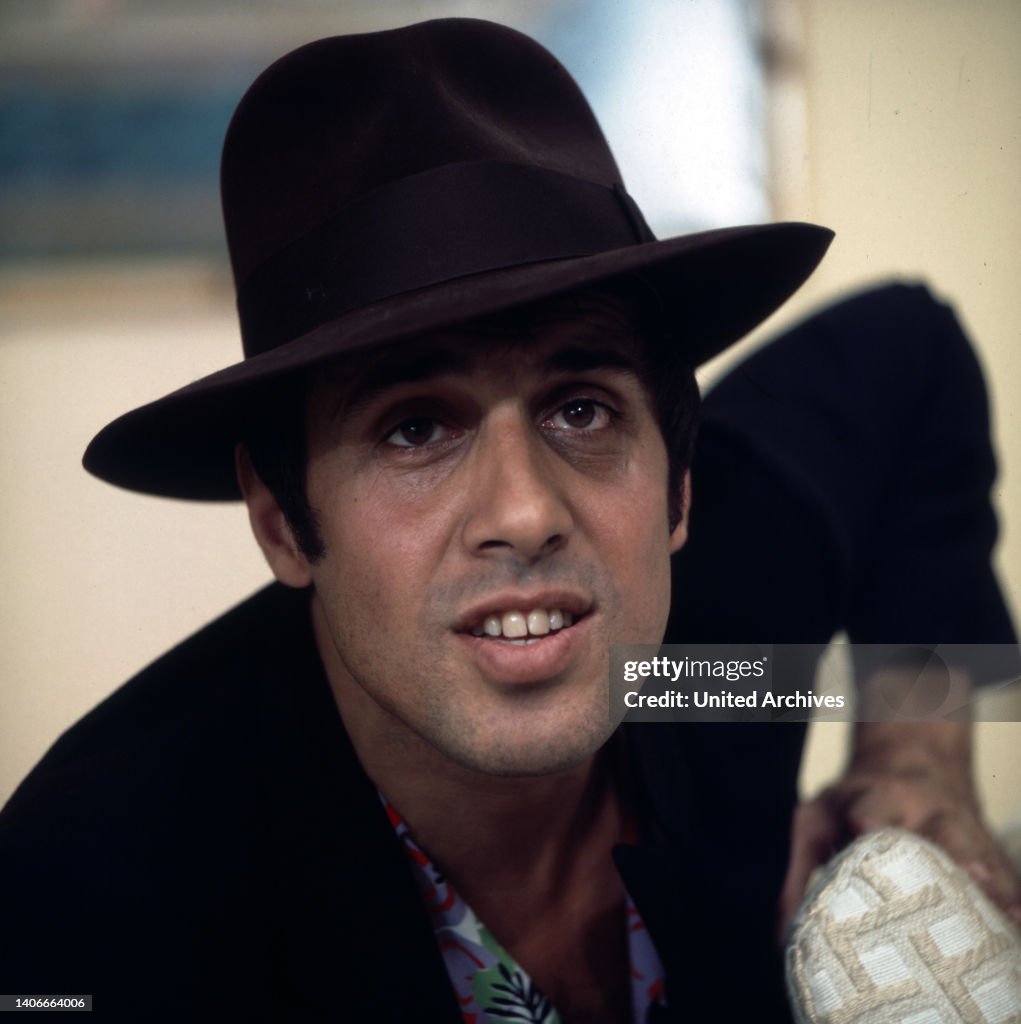
Nicola Di Bari is often associated with other Italian pop legends of his era, such as Domenico Modugno, Mina, and Adriano Celentano. He also collaborated with singer Nada on his Sanremo-winning duet “Il cuore è uno zingaro.” In the film world, he worked with director Lucio Fulci on Non si sevizia un paperino and with other Italian filmmakers of the 1970s. His music has been covered by numerous artists, and he is considered a key figure in the Italian canzone tradition.
Relationships & Dating History
Nicola Di Bari has kept his romantic life largely out of the public eye. Throughout his long career, there have been no well-documented long-term relationships, marriages, or children. He has been linked to a few women in the Italian press over the years, but these were never confirmed by the artist himself. In interviews, he has often described himself as married to his music, and he has expressed a preference for a private personal life. As of 2026, Di Bari is reportedly single and has never been married.
Salary, Net Worth In 2026
$10 Million
iFANN Editorial Team estimate
Per iFANN's editorial analysis, Nicola Di Bari's net worth in 2026 is estimated at $10 Million. This figure reflects the accumulation of wealth over a career spanning more than six decades in both music and film. Primary revenue streams include record sales, streaming royalties, and performance rights generated by a vast catalog of hits that remain staples on radio and digital platforms. Additional income is derived from licensing his compositions for films, commercials, and cover versions. His Spanish-language recordings have proven particularly lucrative, contributing significantly to his earnings in Latin America where he retains a dedicated listener base. Although his acting roles were less commercially dominant than his musical work, they provided a supplementary source of income. As of 2026, Di Bari continues to receive royalties from his albums, with his presence on streaming services ensuring a consistent financial flow. The reissue of his classic albums on CD and vinyl has also generated revenue among collectors, supporting the steady growth of his assets without reliance on major business diversification.
Awards Won (2)
Nicola Di Bari has received several honors throughout his career, primarily in Italy. He won the Sanremo Music Festival in 1971 with “Il cuore è uno zingaro,” a major achievement in Italian music. He has also been recognized with lifetime achievement awards from cultural institutions and cities in Italy, celebrating his contribution to Italian pop music.
1971 · Winner
Il cuore è uno zingaro
2010 · Lifetime Achievement
Career
Known For
La prima cosa bella
1966 · Performer
Il cuore è uno zingaro
1971 · Performer
Non si sevizia un paperino
1972 · Actor
Chitarra suona più piano
1972 · Performer
Keywords
Sources
Quick Facts
- Profession
- singer, film actor, composer
- Born
- September 29, 1940
- Birthplace
- Zapponeta, Apulia, Italy
- Gender
- Male
- Birth Sign
- Libra
- Net Worth
- $10 Million
Personal Details
- Full Name
- Michele Scommegna
Filmography
30
Total
30
Film
0
TV
Frequently Asked Questions
What is Nicola Di Bari's real name?
Is Nicola Di Bari married or does he have children?
What are Nicola Di Bari's biggest hits?
Did Nicola Di Bari act in movies?
How old is Nicola Di Bari in 2026?
Social Media
Similar People

Join the community
fans discussing