 Japan
JapanAbout
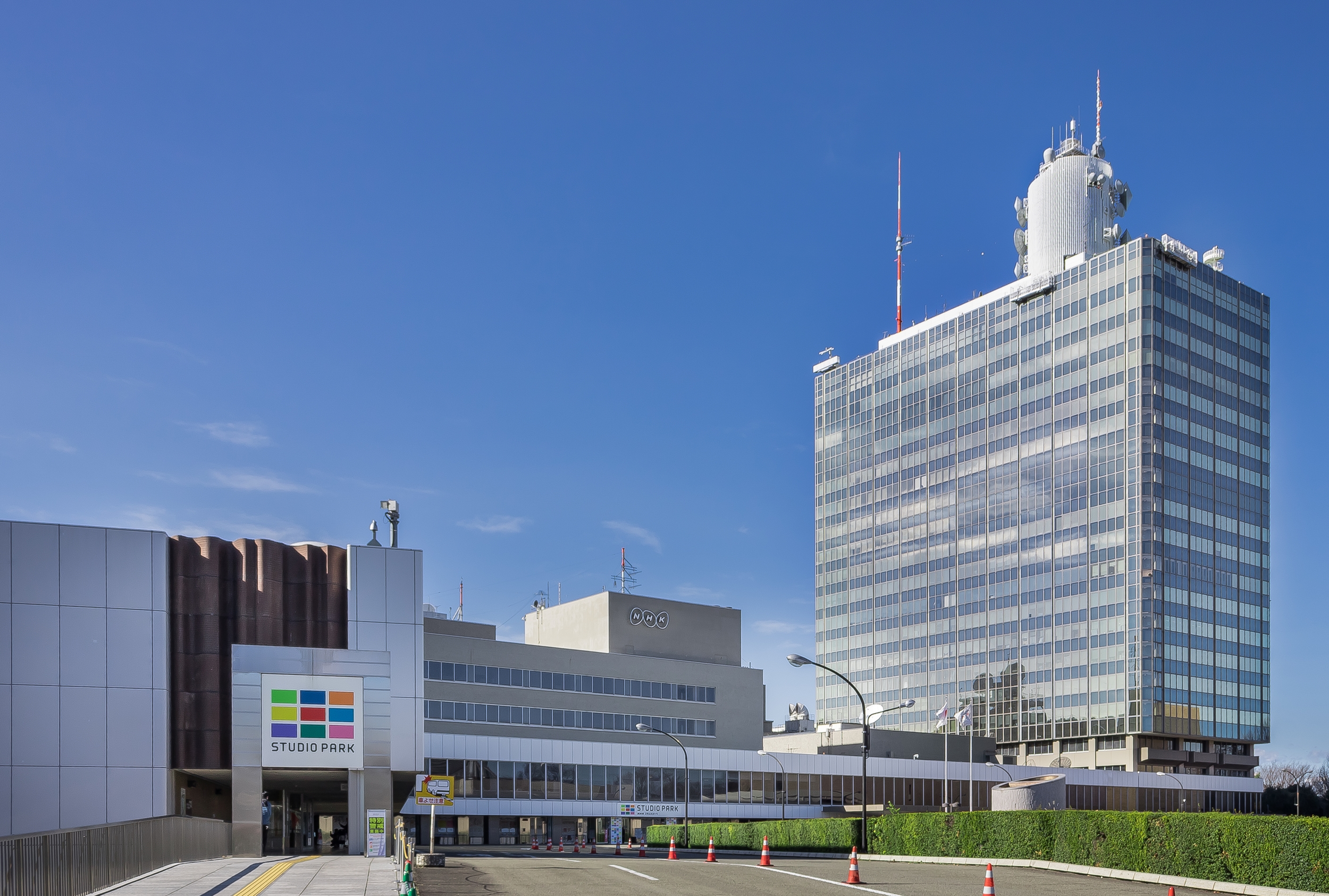
NHK, or Nippon Hōsō Kyōkai, is Japan's sole public service media organization, chartered under the Broadcasting Act of 1950 and funded primarily through television license fees paid by Japanese households. This funding model, inspired by the BBC, is designed to guarantee editorial independence and a steadfast commitment to public service. NHK operates an extensive network of terrestrial and satellite television channels, including General TV, Educational TV, BS Premium 4K, and BS8K, alongside radio services (Radio 1, Radio 2, and FM) and a robust international arm, NHK WORLD-JAPAN, which broadcasts in 17 languages. The organization's reach and influence are immense, making it a central pillar of Japanese media and a trusted source for news, cultural programming, and emergency information during natural disasters.
NHK's reputation rests on its impartial news coverage, high-quality documentaries, educational programming, and cultural contributions. It has been a pioneer in broadcast technology, notably developing High-Definition TV (HDTV) and leading the charge into 8K Ultra-High-Definition TV. The NHK Science & Technology Research Laboratories (STRL) continues to push boundaries, recently creating the world's first power-generating blue OLED. Beyond technology, NHK's cultural impact is profound, from its long-running dramas and children's shows to its sponsorship of the Japan Prize, an international educational media contest. The NHK Broadcasting Culture Research Institute (BUNKEN), established in 1946, conducts influential surveys like the National Time Use Survey, providing valuable data on Japanese society.
Mission
NHK's mission is to serve as Japan's public service media organization, providing impartial, high-quality programming that informs, educates, and enriches the public. It is dedicated to protecting lives during disasters by disseminating accurate and timely emergency information, a role underscored by its founding in the wake of the Great Kantō Earthquake. NHK aims to widen horizons through diverse content, including news, documentaries, educational shows, and cultural programs, both domestically and internationally via NHK WORLD-JAPAN. The organization is committed to technological innovation to enhance its services and maintain its reputation as a trusted source of information in an ever-changing media landscape.
History
The story of NHK begins with disaster. The Great Kantō Earthquake of 1923 wreaked havoc on Tokyo, and in the chaos, rumors and disinformation spread almost as fast as the flames. This tragedy convinced government officials and intellectuals that Japan needed a reliable national broadcaster to deliver accurate information and protect lives. Count Gotō Shinpei, a prominent statesman, took up the cause and founded the Tokyo Broadcasting Station (JOAK) in 1924. On March 22, 1925, JOAK aired Japan's first radio broadcast, a momentous event that reached a small but eager audience. Separate stations in Osaka (JOBK) and Nagoya (JOCK) soon followed.
On August 6, 1926, the three stations merged to form the Nippon Hōsō Kyōkai (NHK), modeled closely on the BBC. NHK operated as a state-controlled broadcaster during the war years, but after World War II, it was reorganized under the Broadcast Law of 1950, which established it as a public broadcaster funded by license fees. Television arrived on February 1, 1953, with the launch of NHK General TV, and color broadcasts began in 1960. NHK covered the 1964 Tokyo Olympics, showcasing its technological capabilities to the world. The following decades saw rapid expansion: Educational TV launched in 1959, satellite broadcasting began in the 1980s, and NHK became a global leader in HDTV and later 8K. In 2025, Tatsuhiko Inoue took the helm as president, steering the organization into a new era of digital and international growth.
Subdivisions
NHK Enterprises, Inc.
Content production and distribution subsidiary, formed in 2005 from a merger. Reported sales of 63.4 billion yen in FY2025.
NHK Media Holdings, Inc.
Holding company that is the main shareholder of NHK Enterprises and other affiliates.
Notable People
Gotō Shinpei
Founder · 1924-1926
Founded the Tokyo Broadcasting Station, the forerunner to NHK, after the Great Kantō Earthquake.
Tatsuhiko Inoue
President · 2025-present
Current president, appointed in December 2025.
Ryoichi Ueda
Chairman
Former chairman of the board of governors.
Terunobu Maeda
Chairman
Former chairman of the board of governors.
Nobuo Inaba
Chairman
Former chairman of the board of governors.
Milestones
1923
Great Kantō Earthquake spurs the idea for a national broadcaster to combat disinformation.
1924
Tokyo Broadcasting Station (JOAK) founded under Count Gotō Shinpei.
1925-03-22
First radio broadcast in Japan from JOAK.
1926-08-06
Merger of Tokyo, Osaka, and Nagoya stations to form NHK.
1950-06-01
NHK reorganized as a public broadcaster under the Broadcast Law.
1953-02-01
Television broadcasting begins with NHK General TV.
1960
Color broadcasting commences.
1964
NHK broadcasts the 18th Olympic Games in Tokyo.
2005
NHK Enterprises formed from a merger of subsidiaries.
2025-12
Tatsuhiko Inoue appointed as president.
Departments
Sources
Organization Info
- Founded
- 1926-08-06
- Headquarters
- 2-2-1 Jinnan, Shibuya-ku, Tokyo 150-8001, Japan
- Country
- Japan
- President
- Tatsuhiko Inoue
- Type
- Media
- Employees
- 10,333
- Founder
- Gotō Shinpei
- Annual Revenue
- ¥733.6 billion (FY2023)
Financials
- Revenue
- ¥733.6 billion (FY2023)
- Employees
- 10333
Official Website
www.nhk.or.jp
Join the community
fans discussing