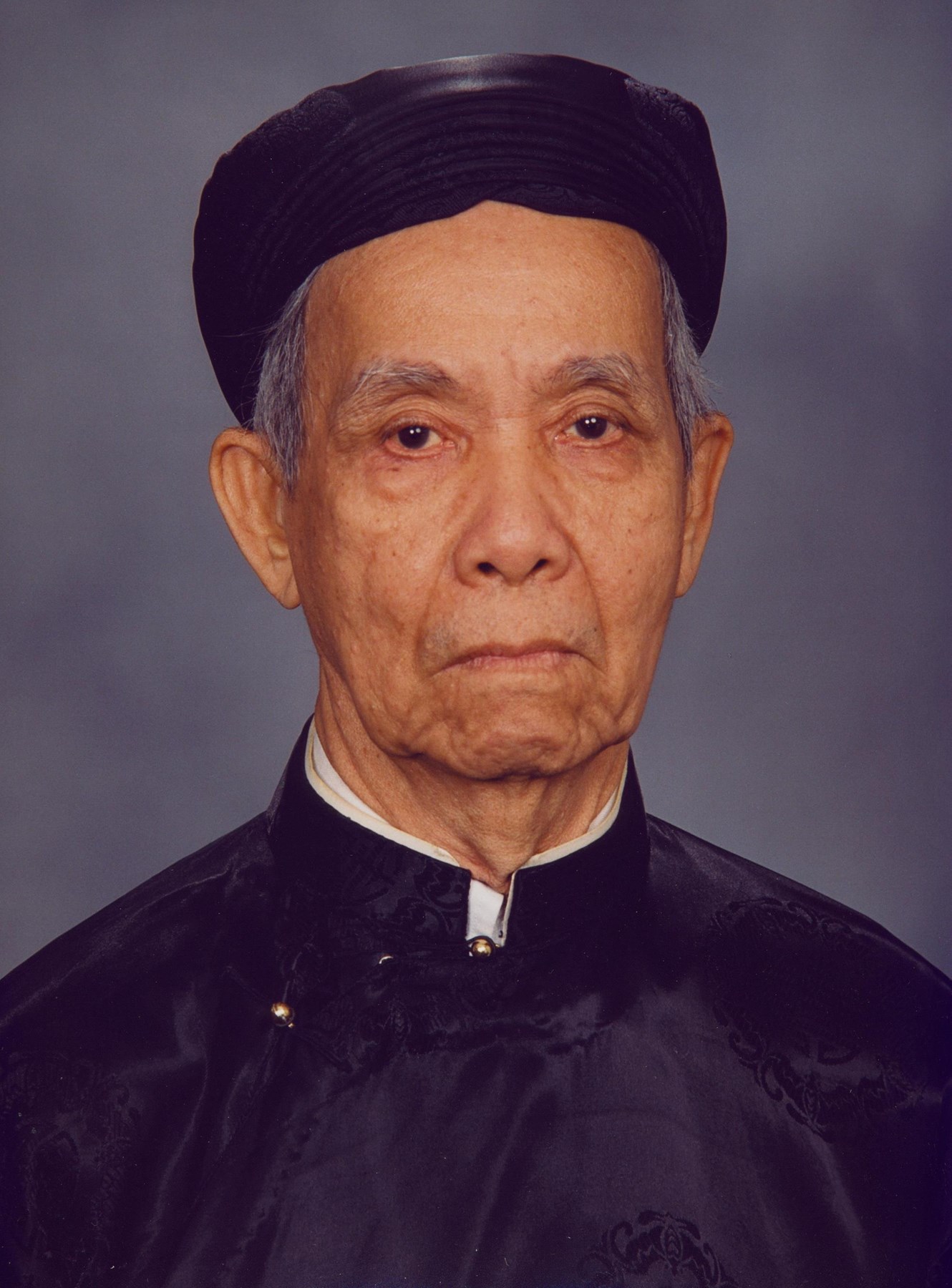
Nguyễn Nhạc
 Vietnam
Also known as: Thái Đức, Nguyễn Văn Nhạc
Birthday
1743
Birth Sign
Capricorn
Birthplace
Bình Định
Age
Died at 50
About
Nguyễn Nhạc (1743–1793) was a Vietnamese monarch and the founder of the Tây Sơn dynasty, a transformative force that ended decades of civil war and unified Vietnam. As the eldest of the three Tây Sơn brothers, he spearheaded the uprising that toppled the Nguyễn Lords in the south and the Trịnh Lords in the north, establishing a brief but impactful reign. His strategic vision and pragmatic governance laid the groundwork for a dynasty that, despite its short duration, reshaped the nation's political landscape.
Today, Nguyễn Nhạc is remembered as a pivotal figure in Vietnamese history, celebrated for his role in unifying the country and for his distinctive diplomatic approach. His legacy lives on through school curricula, historical commemorations, and the enduring story of the Tây Sơn brothers. Though he stepped down as emperor in 1788, his influence shaped the course of the dynasty until his death in 1793, and he remains a subject of ongoing historical interest and national pride.
Early Life & Background
Born in 1743 in Bình Định province, Nguyễn Nhạc grew up as the eldest son in a wealthy family, a status that provided the resources and connections for his later endeavors. Before his rise, he worked as a tax collector for the Nguyễn Lords, a position that exposed him to the corruption and oppression of the ruling administration. This experience fueled his disillusionment and ultimately drove him to lead a rebellion against the established order.
In 1771, the Year Tân Mão, he was unanimously acclaimed as Tây Sơn Vương (King of Tây Sơn) by his followers, marking the formal start of the Tây Sơn uprising. His early leadership combined military acumen with political savvy, attracting support from peasants and local elites alike. The movement quickly gained momentum, setting the stage for his eventual coronation and the sweeping changes that followed.
Career Growth
Nguyễn Nhạc's leadership transformed the Tây Sơn movement into a formidable force. In 1778, the Year Mậu Tuất, he proclaimed himself Emperor, adopting the reign title Thái Đức and establishing his capital at Quy Nhơn. He appointed his brother Nguyễn Huệ as Long Nhương tướng quân (General of the Soaring Dragon) and Nguyễn Lữ as Tiết chế (Military Commander), consolidating his family's control over the military.
The Tây Sơn forces defeated the Nguyễn Lords in the south and pushed northward against the Trịnh Lords, culminating in the unification of Vietnam under Tây Sơn control. In 1788, Nguyễn Nhạc stepped down as emperor when his younger brother Nguyễn Huệ proclaimed himself Emperor Quang Trung, and Nguyễn Nhạc assumed the title King of Tây Sơn. He died in 1793 in Quy Nhơn, leaving behind a unified Vietnam and a complex legacy of family rivalry and political achievement. The Tây Sơn dynasty lasted 30 years (1771–1801), with Nguyễn Nhạc on the imperial throne for 16 years (1778–1793).
Career Timeline
Public Image & Style
In Vietnamese historical memory, Nguyễn Nhạc is celebrated as the strategic founder of the Tây Sơn dynasty, often contrasted with his more militarily famous brother Nguyễn Huệ. He is portrayed as the "soul" of the Tây Sơn movement, a unifier who ended centuries of division. His pragmatic approach to governance and diplomacy is a recurring theme in historical accounts.
Media portrayals emphasize his role in unifying Vietnam, and he is a staple in school curricula. Vietnamese history enthusiasts and fan communities discuss his legacy on platforms like Facebook, where pages like "Việt Sử Kiều Hùng" have dubbed him the "playful king" for his unconventional policies. He is consistently ranked among the most significant figures of the Tây Sơn era in Vietnamese historical discourse. There is no formal fandom name, but his status as a national historical figure is undisputed.
Fame & Fandom (iFAMOUS Rankings)
The legacy of Nguyễn Nhạc is sustained not by the frenzied, modern mechanisms of fandom but by a deep, generational reverence embedded in Vietnamese national identity. While there is no organized fanbase with a specific name, nor any contemporary campaigns or social media rituals to speak of, the audience for his story is vast and devoted, comprising historians, students, and citizens who view him as the pragmatic soul of their nation's unification. This unique form of adoration treats historical fact as living legend, where the stories of his rise from a salt smuggler to Emperor are retold with the same fervor usually reserved for pop culture icons. His narrative resonates through school curricula and museum exhibits, creating a passive yet powerful following that keeps his memory alive across centuries without the need for viral trends or official endorsements. The iFANN Global Fame Rankings captures this enduring influence by measuring global attention across media coverage, search, and consumption signals worldwide, placing him firmly among the most significant figures of his region. Nguyễn Nhạc is currently the 87th most famous person in Vietnam, a standing he has held steady since the previous cycle.
Interesting Facts and Legends
Nguyễn Nhạc adopted the reign title Thái Đức, which remains his primary historical alias and is often used interchangeably with his given name in scholarly texts. He is famously associated with the policy of "nội xưng Đế, ngoại xưng Vương" (internally Emperor, externally King), a diplomatic strategy that defined his pragmatic approach to foreign relations and internal governance. As the eldest of the three Tây Sơn brothers, his decision to step down in 1788 was a critical moment that averted a potential fratricidal conflict, though underlying tensions persisted within the family. Despite his immense historical significance, no verbatim quotes from Nguyễn Nhạc have survived to the present day. A February 2026 feature article from Vietnam.vn titled "Emperor Thái Đức Nguyễn Nhạc: The founder of the Tây Sơn dynasty" revisited his pivotal role, and the Vietnam National Museum of History continues to highlight his reign. Legends surrounding his life emphasize his bold leadership style, often described in modern commentary as "chất chơi," reflecting his generous and decisive nature compared to other feudal rulers. Historical accounts verify that after ascending the throne as Emperor Thái Đức in 1778, he appointed his younger brother Nguyễn Huệ as "Long Nhương Tướng quân" (Dragon-Tiger General) and Nguyễn Lữ as "Tiết chế" (Commander-in-Chief), establishing a unique family-based power structure that defined the early Tây Sơn dynasty.
Family & Personal Life
Nguyễn Nhạc was the eldest of three brothers, with Nguyễn Lữ and Nguyễn Huệ as his younger siblings. Their family was wealthy, and their father's status likely provided the resources and connections that helped launch the Tây Sơn uprising. Nguyễn Nhạc married Ja Dok, a woman of the indigenous Jarai people, in a union that cemented alliances in the highlands and secured support from indigenous communities.
Details about his children are sparse in historical records, though he did have children whose names are not well-documented. His relationship with his brothers was complex, marked by both cooperation and rivalry. After Nguyễn Huệ proclaimed himself Emperor Quang Trung in 1788, the brothers maintained a fragile peace, with Nguyễn Nhạc ruling as King of Tây Sơn until his death in 1793.
Notable Connections
Nguyễn Nhạc is closely associated with his brothers Nguyễn Huệ and Nguyễn Lữ, who together formed the Tây Sơn leadership. Nguyễn Huệ, later Emperor Quang Trung, succeeded him as the most prominent military leader. Nguyễn Lữ served as a military commander. His spouse, Ja Dok, was a Jarai woman, and their marriage was a key political alliance.
Relationships & Dating History
Nguyễn Nhạc's only documented relationship was with Ja Dok, a woman of the Jarai people, whom he married as part of a political alliance during his early years in the highlands. The marriage helped secure support from indigenous communities. There are no records of other romantic relationships.
At the time of his death in 1793, he was married to Ja Dok. As a historical figure, no modern dating history applies.
- MarriedJa Dok? - 1793Married as part of a political alliance with the Jarai people; she was his spouse at the time of his death.
Death & Aftermath
Died
1793 (aged 50)
Death Place
Quy Nhơn
Cause of Death
Reported complications from political stress and confinement
Nguyễn Nhạc spent his final years in confinement within the region of Quy Nhơn after a bitter rift with his younger brother, Emperor Quang Trung, forced him to surrender his imperial authority in 1788. The political fallout from this internal civil war left the former emperor under house arrest until he passed away in 1793 at the age of fifty., historical chronicles attribute his decline to the severe stress of his deposition and the loss of power rather than a sudden natural event. Contemporary reactions were limited to the court factions and military leaders who navigated the fragile stability of the Tây Sơn dynasty during those turbulent years. Specific details regarding his funeral rites remain obscure given the chaotic nature of the period, though royal protocol likely dictated a private burial without public fanfare.
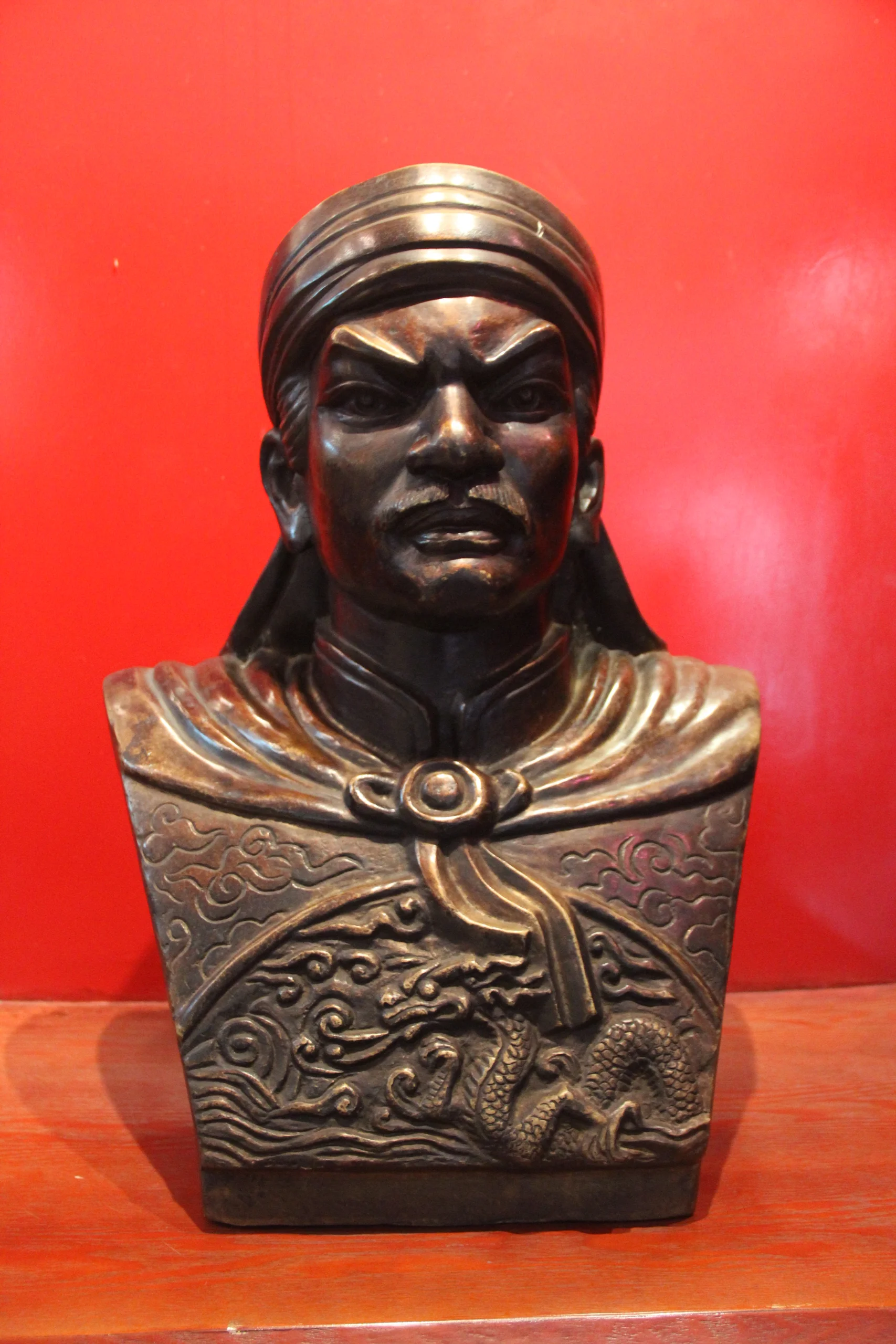
Today, Nguyễn Nhạc is remembered as the founding father of the Tây Sơn dynasty and the first emperor to temporarily unify Vietnam. Modern commemoration includes statues in Quy Nhơn and Phú Yên that honor his role as the soul of the movement, while his legacy persists in historical accounts like 'Tales of Historical Figures' and scholarly articles on his diplomatic approach. The eventual collapse of the dynasty in 1801 saw the family estate absorbed by the succeeding Nguyễn dynasty, yet his contributions to ending decades of civil war remain a pivotal chapter in Vietnamese history.
Net Worth (Estate Value)
N/A
iFANN Editorial Team estimate
As an 18th-century monarch, Nguyễn Nhạc's wealth was intrinsically tied to land ownership, tribute collection, and direct control of the Tây Sơn treasury. No modern estimates exist for his personal fortune, and any valuation would be purely speculative given the era. His reign saw the consolidation of resources from conquered territories, but the eventual collapse of the dynasty in 1801 meant much of this accumulated wealth was lost to history. Today, his legacy is primarily historical, with no financial estate remaining to be measured. Modern net worth calculations do not apply to historical figures of his era, and per iFANN's editorial analysis, the figure is N/A.
Awards & Accolades
View 1 records, honours and achievementsKnown For
Tây Sơn dynasty
1771 · Founder and Emperor Thái Đức
Keywords
Sources
Quick Facts
- Profession
- Monarch
- Born
- 1743
- Birthplace
- Bình Định
- Died
- 1793
- Death Place
- Quy Nhơn
- Gender
- Male
- Spouse
- Ja Dok
Personal Details
- Spouse
- Ja Dok
Frequently Asked Questions
Nguyễn Nhạc là ai?
Nguyễn Nhạc và Nguyễn Huệ có quan hệ gì?
Nguyễn Nhạc mất năm bao nhiêu?
Nguyễn Nhạc sinh năm bao nhiêu?
Vợ của Nguyễn Nhạc là ai?
Similar People
Join the community
fans discussing