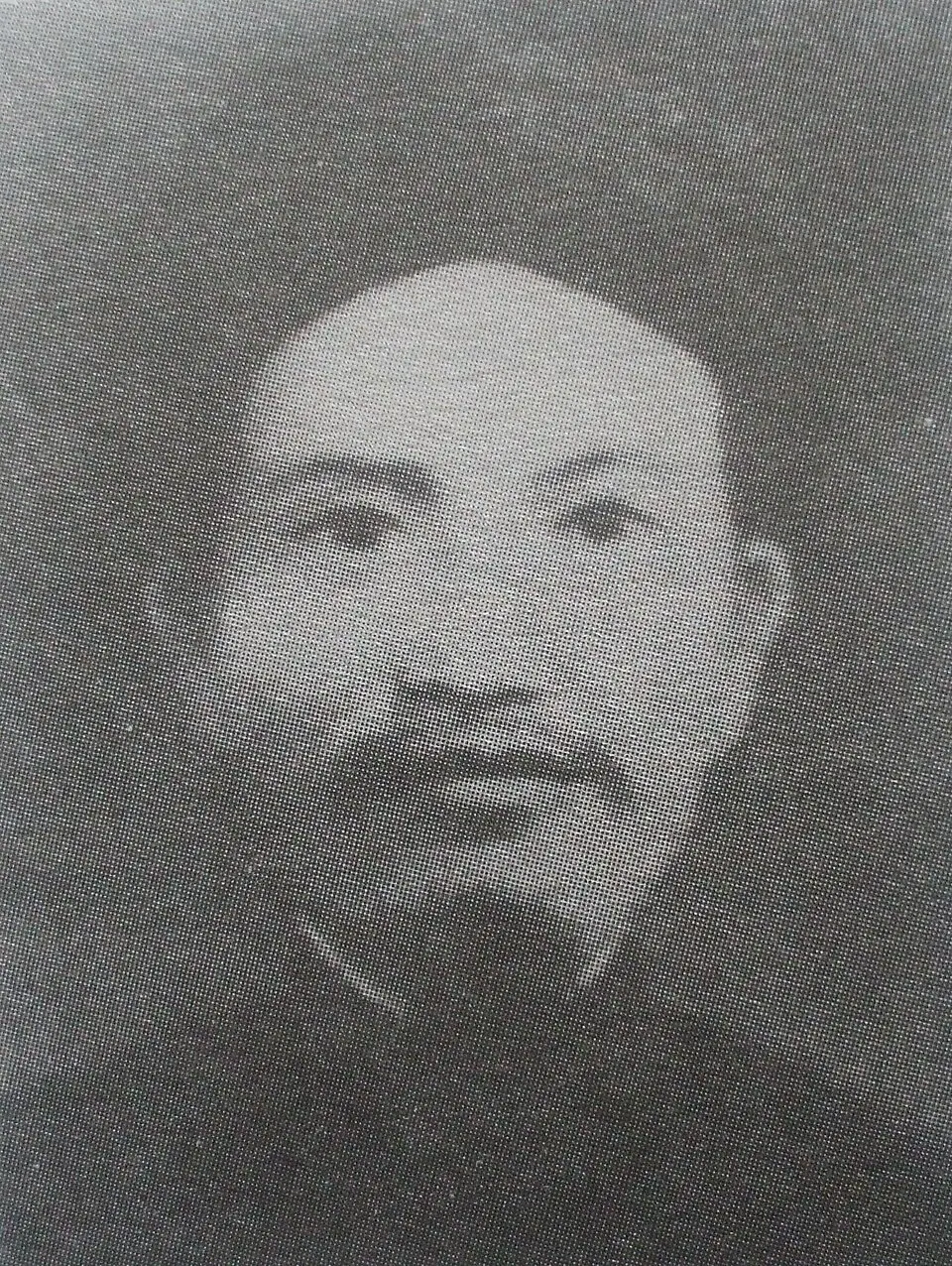
Nguyễn Hữu An
 Vietnam
Birthday
October 1, 1926
Birth Sign
Libra
Birthplace
Gia Viễn, Vietnam
Age
Died at 68
About
Nguyễn Hữu An was a Vietnamese military officer who rose to the rank of Colonel General in the People's Army of Vietnam. He is best known for commanding North Vietnamese forces during the Battle of Ia Drang in November 1965, one of the first major battles between the U.S. Army and the People's Army of Vietnam. His tactical leadership during that engagement influenced how both sides approached the war.
An's career spanned more than three decades of conflict, from the First Indochina War through the fall of Saigon. He held several high-ranking posts, including command of the 2nd Corps, and later served as Deputy Chief of the General Staff. He also held the academic title of Associate Professor.
He died on April 9, 1995, in Hanoi, at the age of 68. His legacy is remembered through military histories and the 2002 film We Were Soldiers, which dramatized his role at Ia Drang.
Early Life & Background
Nguyễn Hữu An was born on October 1, 1926, in Gia Viễn, a rural district in northern Vietnam. Details of his early life are sparse, but he joined the Viet Minh in the late 1940s, at the start of the First Indochina War against French colonial forces.
He fought in several campaigns during that conflict, gaining combat experience and rising through the ranks. By the early 1950s, he commanded battalion-level units and was known for his aggressive tactics and ability to move troops quickly through difficult terrain.
After the Geneva Accords in 1954, An remained in the army, which became the People's Army of Vietnam. He continued to climb the ranks during the late 1950s and early 1960s, taking on staff and command roles that prepared him for the larger war to come.
His breakthrough moment came in 1965, when he was given command of the 33rd Regiment, which was then deployed to the Central Highlands of South Vietnam. That deployment set the stage for the Battle of Ia Drang.
Career Growth
Nguyễn Hữu An's defining moment came in November 1965, when he commanded the 33rd Regiment at the Battle of Ia Drang. His forces fought U.S. troops, including the 1st Cavalry Division, in a series of intense engagements. The battle was the first major clash between the U.S. Army and the PAVN, and An's tactics of close-quarter combat and rapid reinforcement helped inflict heavy casualties on American forces.
After Ia Drang, An's career continued to rise. He commanded the 2nd Corps, one of the PAVN's main formations, during the Easter Offensive of 1972. He later took part in the final Ho Chi Minh Campaign in 1975, which led to the fall of Saigon.
In the post-war period, An held senior positions, including Deputy Chief of the General Staff and head of the Military Science Institute. He was promoted to Colonel General in 1984 and also earned the academic title of Associate Professor.
His legacy was cemented in popular culture when the 2002 film We Were Soldiers, based on the book by Lt. Gen. Harold G. Moore, portrayed him as a capable and respected adversary.
Career Timeline
Public Image & Style
Nguyễn Hữu An is remembered as a skilled and determined military commander. In Vietnamese military circles, he is respected for his tactical innovations and his role in key battles. Western accounts, particularly from the Battle of Ia Drang, often describe him as a worthy opponent who commanded his troops effectively.
His portrayal in We Were Soldiers helped introduce him to international audiences, casting him as a professional soldier rather than a faceless enemy. That film, along with historical analyses, has shaped his public image as a competent leader in a brutal war.
Fame & Fandom (iFAMOUS Rankings)
The public relationship with Nguyễn Hữu An is defined by national reverence rather than the chaotic energy of fandom. He was a senior military commander whose life ended in 1995, long before the era of social media rituals or fan clubs could take root. There are no organized campaigns, birthday billboards, or unofficial names for a following that does not exist. The stories surrounding him belong to history books and military archives, not viral trends or pop culture. His legacy is preserved through state-sponsored commemorations like the proposed "Nguyễn Hữu An Street" and "An Hoa Park" in Hanoi, reflecting a solemn respect from the Vietnamese government and people. While Western audiences encountered him as a worthy opponent in films like We Were Soldiers, this did not generate a celebrity fanbase. He remains a figure of historical memory, honored for his tactical innovations during the Vietnam War rather than for personal charisma or entertainment value. The concept of fans interacting with his image on social platforms or attending events is impossible given his passing decades ago. His influence persists in the strategic doctrines taught to new generations of officers and in the streets named after him, but it lacks the active, participatory nature of modern fandoms. The narrative focuses entirely on verified military achievements, such as the Battle of Ia Drang and the fall of Saigon, rather than folklore or stage performances. iFANN has evaluated his global standing based on these historical markers and contemporary search patterns. Nguyễn Hữu An is currently EVALUATED_UNRANKED according to the Global Top 1,000 rankings; he holds no placement in any Top-100 scope list or specific genre category within the published data.
Interesting Facts and Legends
Nguyễn Hữu An was one of the few PAVN officers to hold both a high military rank and an academic title, serving as an Associate Professor. He was portrayed by actor Don Duong in the 2002 film We Were Soldiers. An's command at Ia Drang was notable for his use of the 'hugging the belt' tactic, where his forces stayed close to American units to avoid air strikes. He reportedly kept a diary during the war, which has been cited by historians studying PAVN strategy. An was promoted to Colonel General in 1984, a rank equivalent to a three-star general in Western militaries. Historical records describe him as the officer who directly commanded the forces that defeated the U.S. 1st Cavalry Division and engaged with U.S. Brigadier General Moore. A specific legend often cited in Vietnamese military historiography is his tactical innovation during the Battle of Đông Hà, part of the 1972 Easter Offensive. His leadership in the 1975 Ho Chi Minh Campaign is credited with breaking the enemy's defensive lines, marking the end of the war. These verified historical events are documented in official military archives and biographies, forming the core of his enduring reputation.
Family & Personal Life
Little is known about Nguyễn Hữu An's family. He was born in Gia Viễn, but no public records detail his parents or siblings. His wife and children have not been widely documented, and he appears to have kept his personal life private.
After his death in 1995, his family remained out of the public eye. No notable family members have come forward with memoirs or public statements about him.
Notable Connections
Nguyễn Hữu An is associated with the People's Army of Vietnam and the Vietnam War. He is also linked to Lt. Gen. Harold G. Moore, his American counterpart at the Battle of Ia Drang, whose book We Were Soldiers Once... and Young brought the battle to global attention. The film adaptation further connected An to a wider audience.
Relationships & Dating History
Nguyễn Hữu An's personal relationships are not well documented. He was married, but the name of his wife and the dates of their marriage are not publicly known. He is believed to have had children, but no details have surfaced.
At the time of his death in 1995, he was married, though his wife's identity remains private. No public records indicate any divorces or other relationships.
Death & Aftermath
Died
April 9, 1995 (aged 68)
Death Place
Unknown
Cause of Death
Unknown
Nguyễn Hữu An died on April 9, 1995. He was sixty-eight years old when his life ended in Vietnam, though official records do not specify the exact city or facility where he passed away. The circumstances surrounding his final days remain unreported in public sources. As a senior military figure during this era, his passing was likely attributed to natural causes related to age or war-related health complications without detailed public disclosure. Tributes to his legacy continued to appear in Vietnamese historical literature immediately following his death, cementing his status as one of the most outstanding generals of the People's Army of Vietnam.
Historians and educators frequently cited his tactical success at the Battle of Ia Drang, where he commanded forces against U.S. troops, often referring to him as the general who broke the wings of the US Air Cavalry. While specific details about the funeral service, burial location, or notable attendees are absent from available documentation, his rank as Colonel General implied a state-organized military ceremony. His name remained associated with significant battles like Dien Bien Phu in academic publications, and his legacy endured within the realm of military education.
Net Worth (Estate Value)
As a military officer in a communist state, Nguyễn Hữu An did not accumulate personal wealth in the way Western celebrities or business figures might. His income came from his military salary and pensions. After his death, his estate would have consisted of personal property and any royalties from books or films that used his likeness.
His portrayal in We Were Soldiers may have generated some licensing fees, but these are not publicly documented. There is no public record of his net worth, and it is likely modest. As of 2026, no estate value has been reported.
Awards & Accolades
View 2 records, honours and achievementsKnown For
Battle of Ia Drang
1965 · Commander of North Vietnamese forces
Keywords
Sources
Quick Facts
- Profession
- military officer
- Born
- October 1, 1926
- Birthplace
- Gia Viễn, Vietnam
- Died
- April 9, 1995
- Death Place
- Hanoi, Vietnam
- Gender
- Male
- Birth Sign
- Libra
Personal Details
- Full Name
- Nguyễn Hữu An
Frequently Asked Questions
Who was Nguyễn Hữu An?
What was Nguyễn Hữu An's role in the Vietnam War?
How did Nguyễn Hữu An die?
Was Nguyễn Hữu An portrayed in any movies?
What was Nguyễn Hữu An's rank?
Join the community
fans discussing